Combining a barrier with secondary glazing
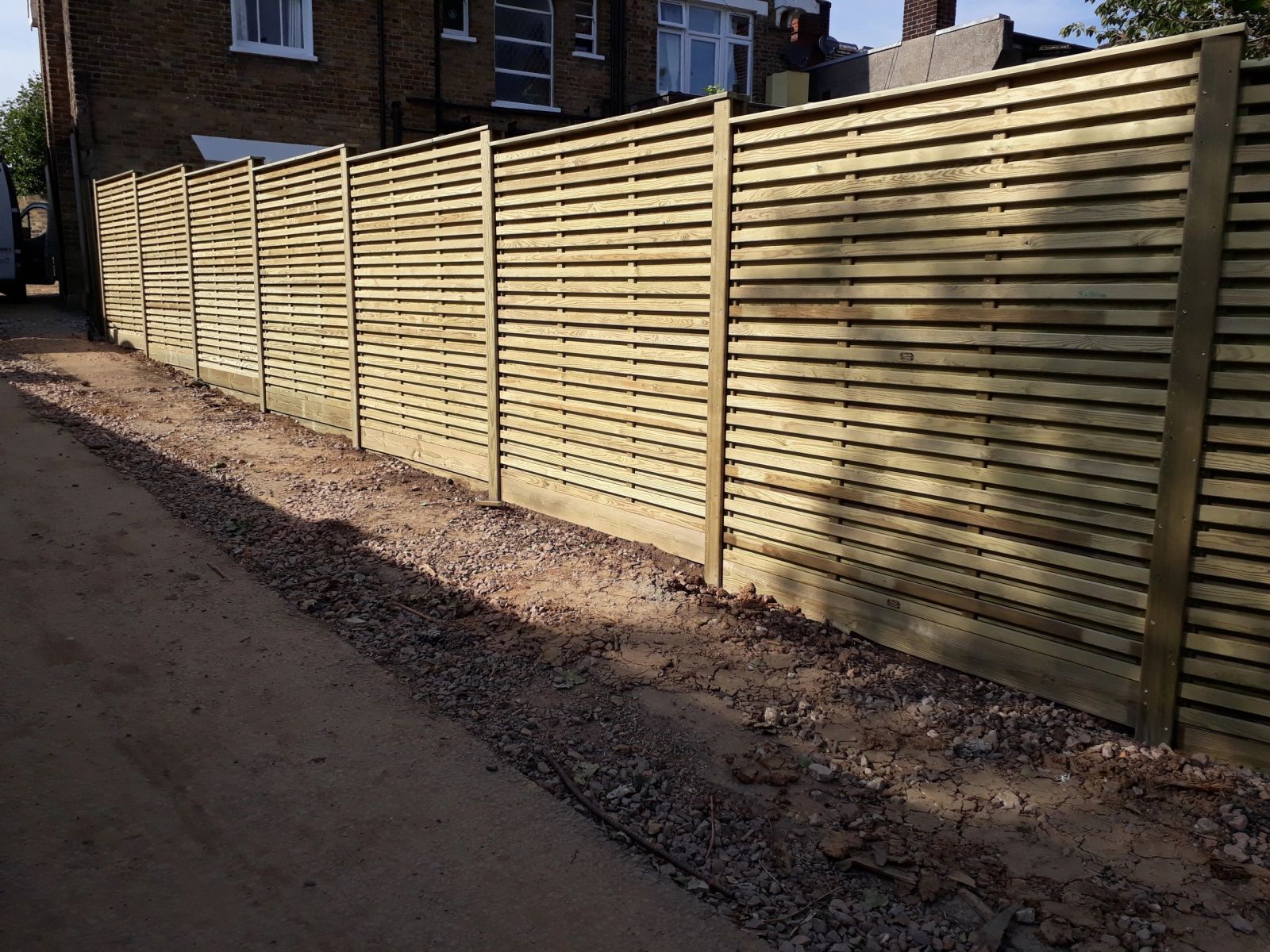
An external acoustic fence addresses noise reaching the garden, but noise entering through windows is a separate path that a garden barrier can't fully control, particularly for an upstairs room facing the same source.
Secondary glazing addresses that separate path and is sometimes considered alongside an external barrier as part of a wider approach, though it falls outside fencing work itself.
Choosing hand tools over power tools on sensitive sites
A petrol auger or breaker finishes a dig far faster than hand tools but brings noise, vibration and exhaust that matter more on a site with close neighbours, a nervous pet next door, or restricted working hours.
Hand tools also give more control in tight spots — close to a wall, a root, or a service — where a powered tool's speed becomes a liability rather than an advantage.
The practical approach on most jobs is powered tools for the bulk of straightforward digging and hand tools kept ready for the awkward sections, rather than committing to one method for an entire run.
Treatment standards and use classes for timber
British and European standards define timber 'use classes' according to exposure — Use Class 4 covers timber in ground contact, such as fence posts, and requires a deeper level of preservative treatment than Use Class 3 cladding or rails that are exposed to weather but not buried.
Specifying Use Class 3 timber for a post that goes into the ground is one of the most common causes of early rot failure, since the treatment simply isn't rated for sustained soil contact and moisture.
A reputable timber merchant should be able to confirm the use class and treatment certificate for structural components, and it's worth asking for it explicitly rather than assuming 'tanalised' automatically means suitable for ground contact.
Insurance paperwork after storm damage
Most household policies distinguish between storm damage to a fence, which is often covered subject to policy wording and excess, and general wear or rot, which typically isn't, so insurers commonly ask for photographs of the damage and sometimes of the fence's prior condition.
A dated photo of the boundary from before the storm, even an incidental one, can materially help a claim where the insurer disputes whether failure was storm-related or simply due to age.
This is a general description of how these claims are typically assessed rather than a statement about any specific insurer's policy, and terms, excesses and definitions of 'storm' vary between providers and should be checked in the policy document.
Chain-link and stock fencing for allotments and paddocks
Chain-link is a low-cost, low-maintenance option for allotments, paddocks and utilitarian boundaries where appearance matters less than containment and budget.
Straining wires and correctly tensioned line wire at top and bottom keep chain-link from sagging over a long run, which is the most common complaint about a poorly installed mesh fence.
Where the boundary needs to keep livestock in rather than just mark a line, stock fencing with a smaller mesh at the base stops smaller animals getting through in a way that standard chain-link doesn't.
Feather-edge versus overlap panel construction
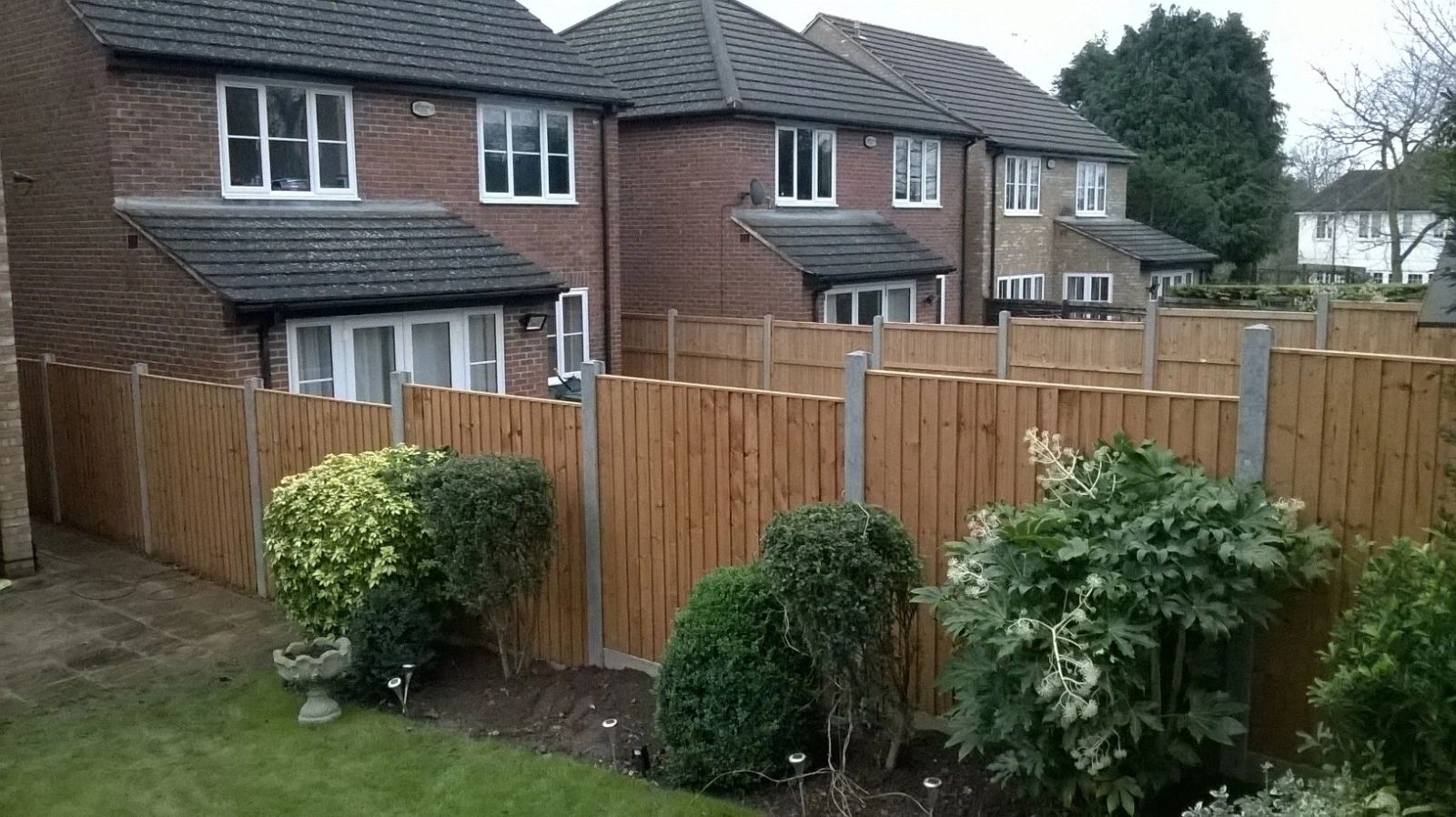
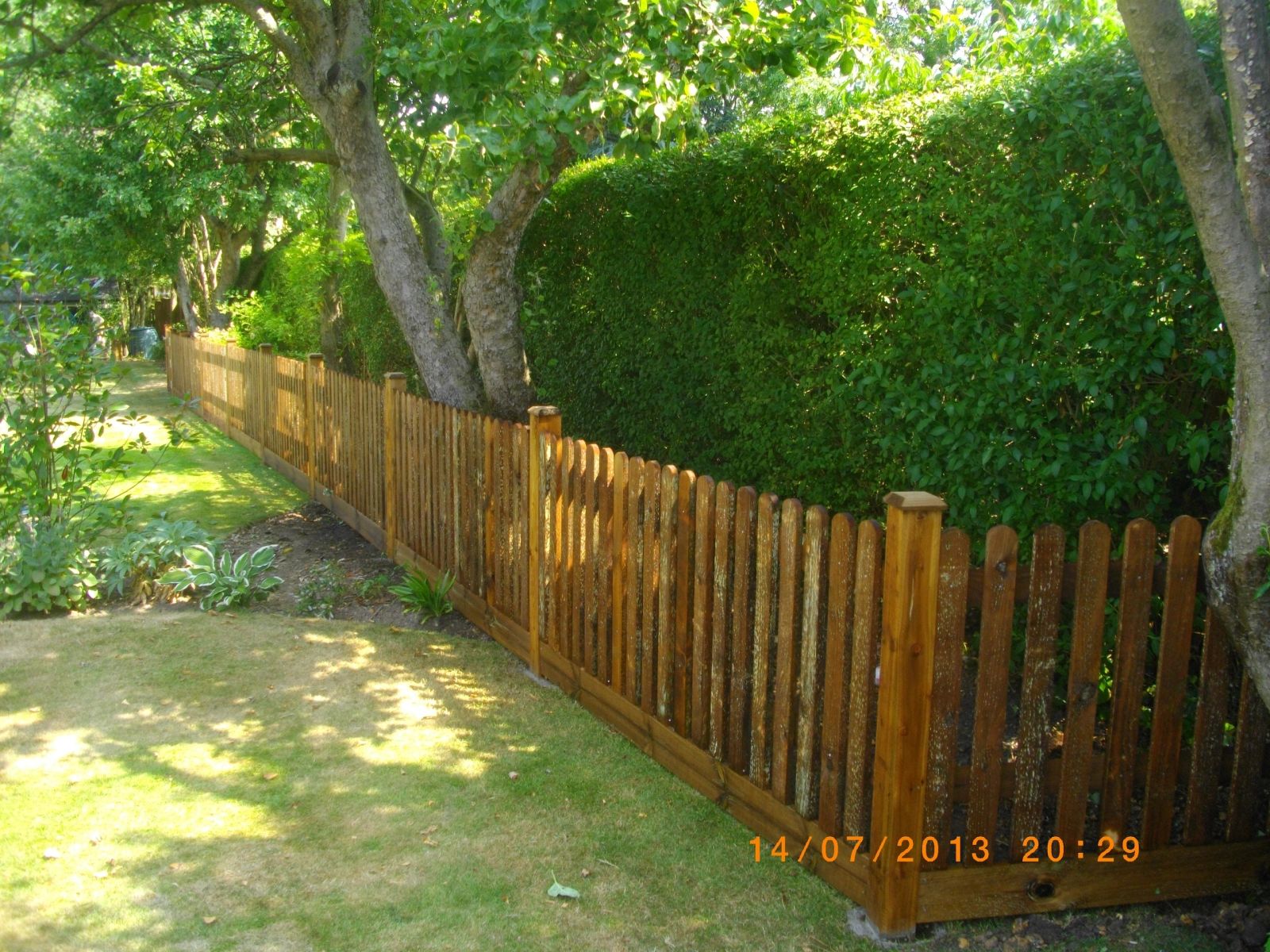
Feather-edge fencing uses individual tapered boards nailed vertically to horizontal arris rails, built up on site board by board, which makes it easier to repair a single damaged board without disturbing the rest of the run.
Pre-made overlap or lap panels are faster to install since they arrive as a complete unit, but a single split board usually means replacing the whole panel rather than one board.
Feather-edge also tends to be the sturdier choice on an exposed or long run, since the individual boards and rail structure resist wind loading better than a thinner factory panel.
Self-storage and depot perimeters
Self-storage sites and vehicle depots typically run a continuous high-security perimeter with limited access points, and any repair work has to maintain that perimeter's integrity throughout rather than leaving a gap open overnight.
Because these sites often operate extended or 24-hour access for customers or drivers, fencing work needs scheduling around live access hours, with any section requiring full closure agreed and communicated in advance.
Lighting and CCTV mounted on perimeter fencing at these sites adds a coordination step most domestic jobs don't have — services need identifying and protecting before any post is removed or reset.
Handling heavy gate posts and large timbers safely
A large hardwood or oversized gate post can be too heavy to lift and position safely by hand, particularly into a deep hole, so a simple lifting aid such as a sack truck, roller bars or a block and tackle reduces the risk of a manual handling injury.
Lowering a heavy post into a hole under control, rather than dropping the last stretch, also protects the hole's sides from collapsing under the impact just as it's being positioned.
Where a post genuinely needs mechanical assistance to move safely, planning that equipment into the job at the outset avoids improvising with inadequate lifting methods on the day.
Outbuildings close to a boundary and separate rules
Garden rooms, sheds and other outbuildings have their own distinct permitted development rules on height and proximity to a boundary, which are different from the rules governing fences, walls and gates.
It's a common mix-up to apply fence height limits to an outbuilding, or vice versa, when checking what's allowed near a boundary line.
Where a fence and a new outbuilding are being planned together near the same boundary, it's worth checking each against its own specific permitted development category.