Timber, mesh and steel palisade compared
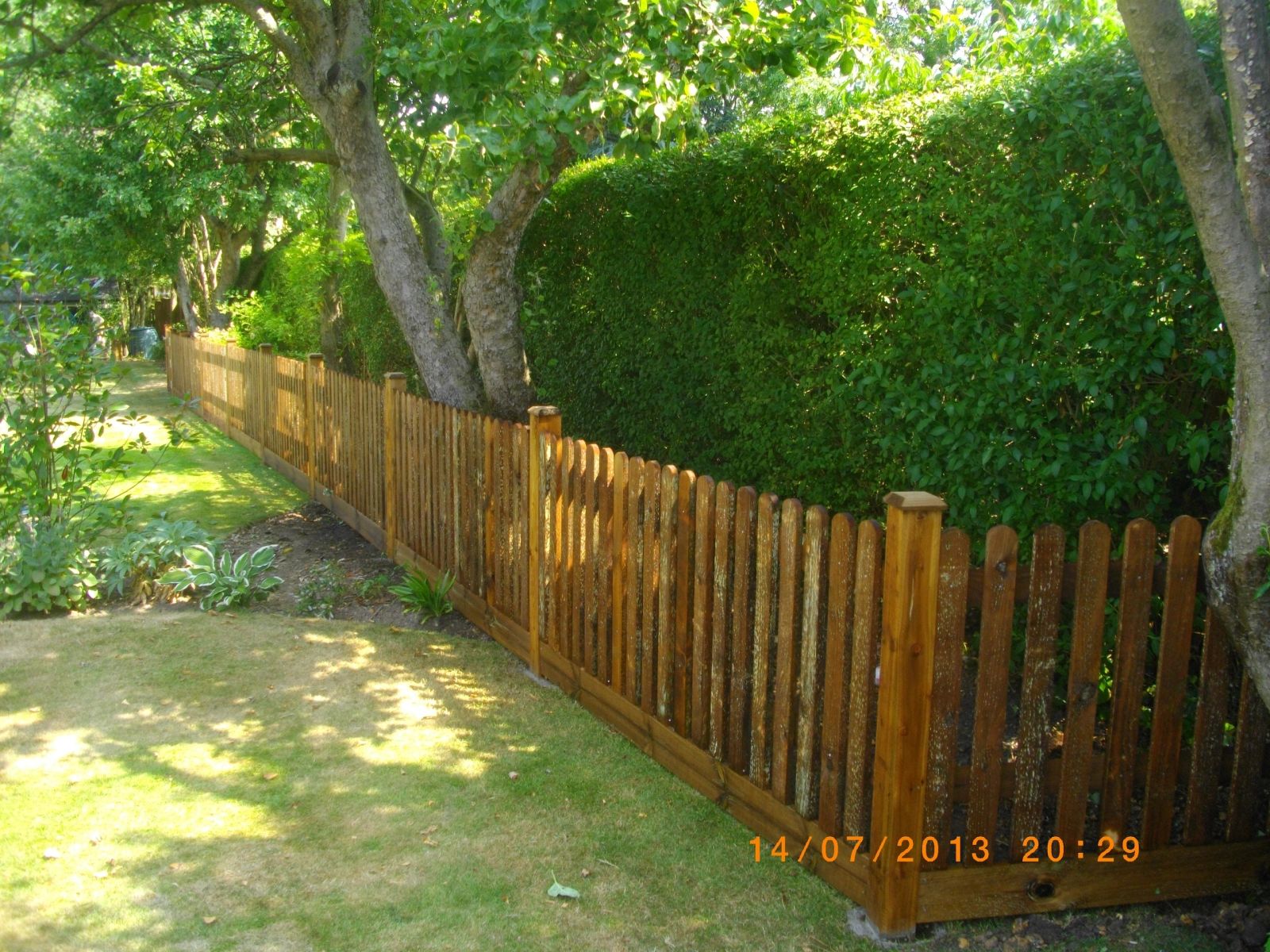
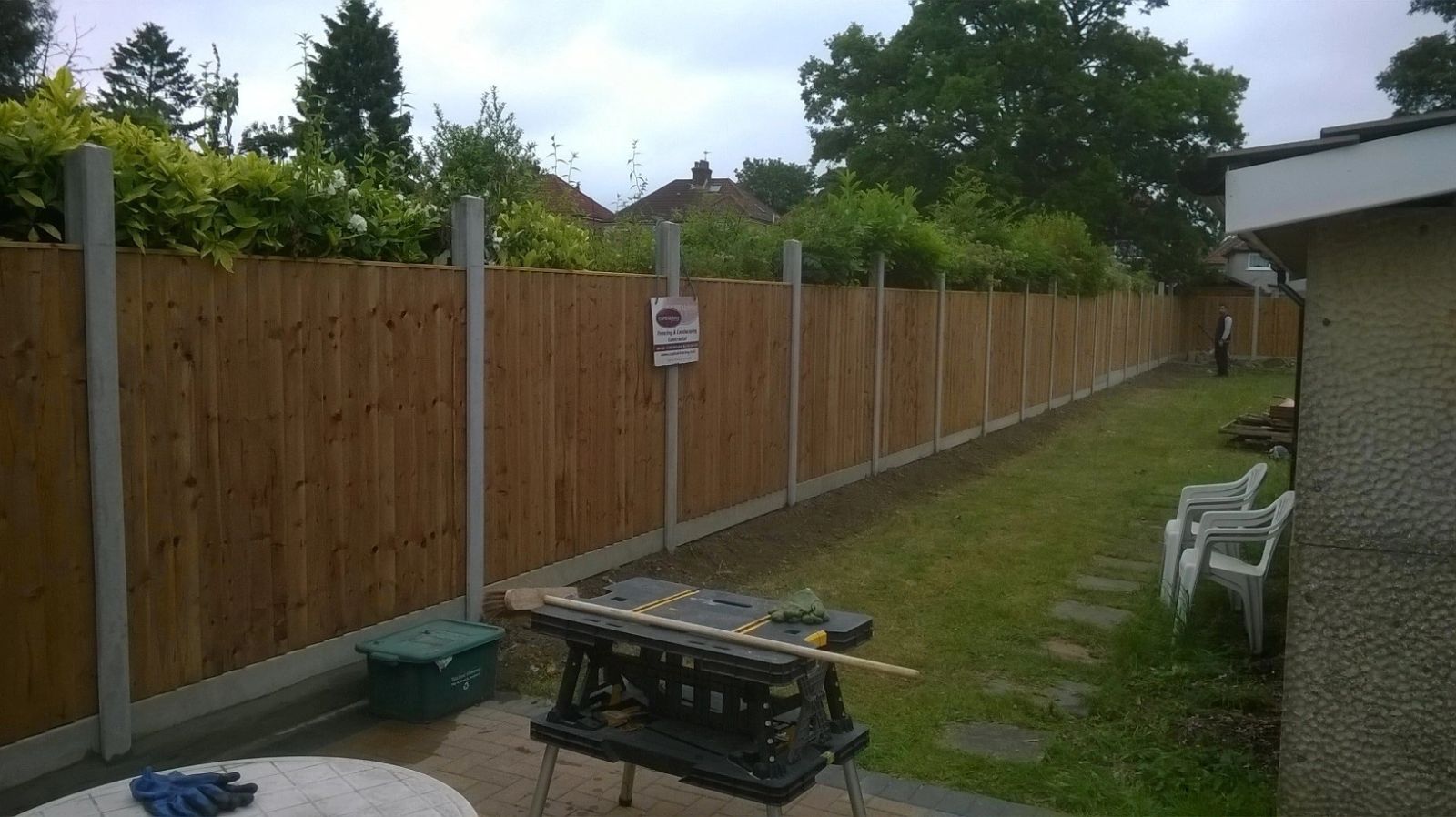
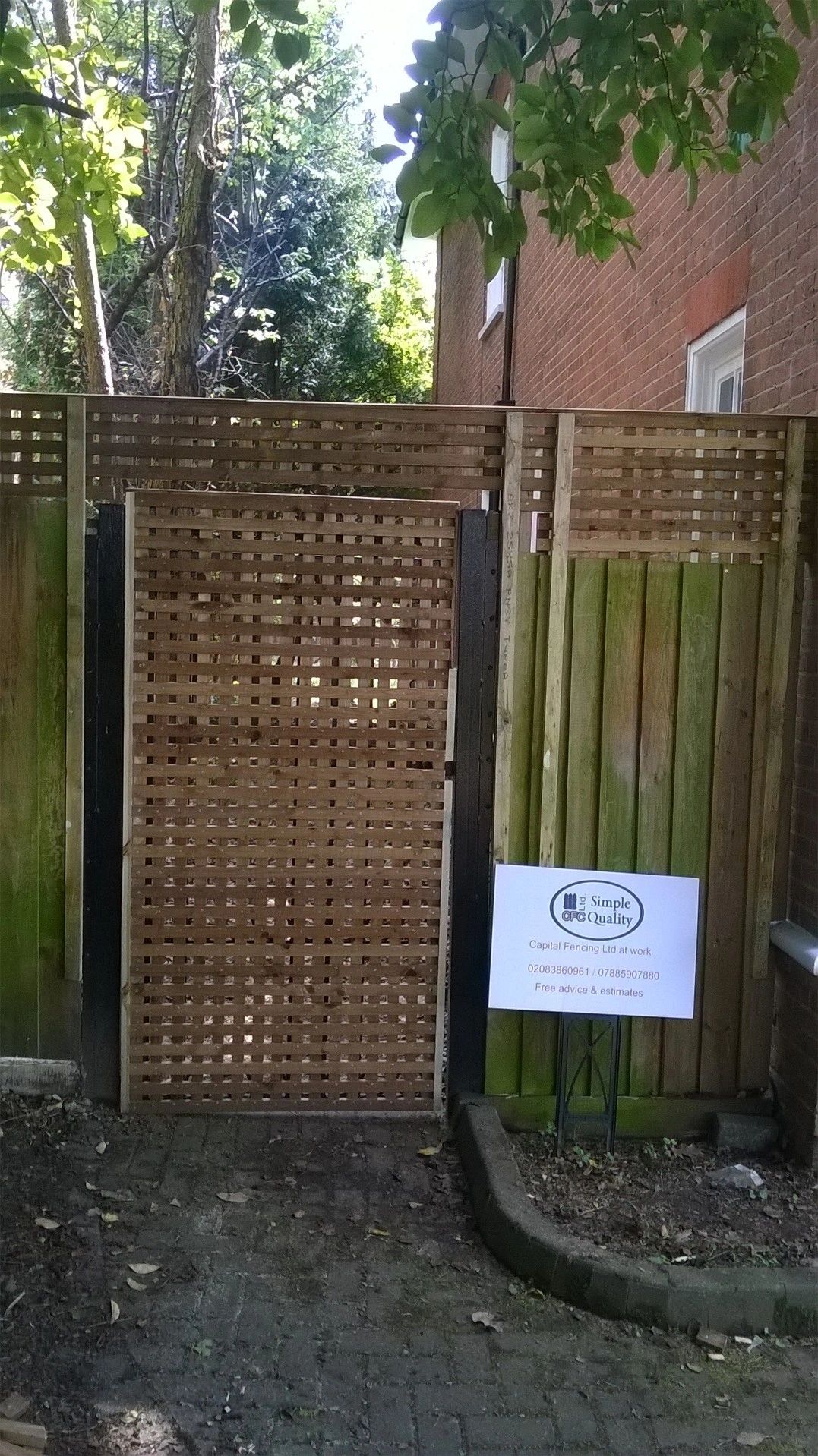
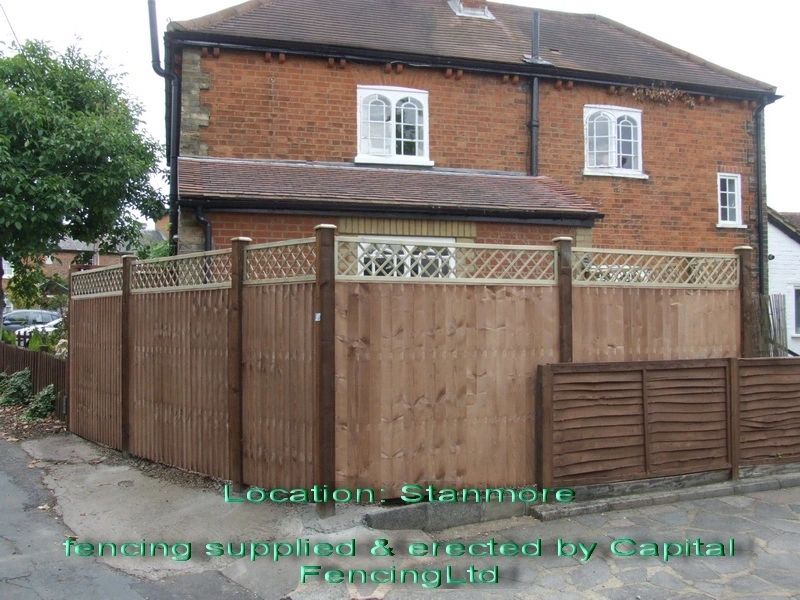
Timber gives a solid sightline and a domestic look but needs a heavier spec than a standard garden fence to hold a security brief; steel palisade and weld-mesh give a harder physical barrier with a more industrial appearance, which suits a yard better than a front garden.
Most briefs end up as a mix — a solid section where privacy matters and a mesh or railing return where an open sightline is more useful — rather than one material for the whole boundary.
Night-time noise sensitivity versus daytime
The same noise level is generally judged more intrusive at night than during the day, both because background noise is lower after dark and because sleep disturbance carries different consequences to daytime annoyance.
Where the main concern is night-time noise from a specific source, such as late deliveries or an all-night generator, the barrier design is weighted toward that source's night-time behaviour rather than its daytime average.
Gravel terraces of the Lea and Colne valleys
The river terraces along the Lea and Colne valleys are largely sand and gravel over clay, ground that drains quickly and digs easily compared with the heavier clays further from the rivers.
Free-draining gravel is generally kinder to timber posts since water doesn't pool against the base, but loose gravel can also slump back into an open hole faster than clay, making a wider working hole necessary to get concrete properly around the post.
Where the gravel sits directly over a clay band, augers can hit a hard, sticky transition partway down that slows digging without warning.
Choosing rail section size for a security run
Rails on a palisade or railing run are sized in cross-section to the span between posts, not to the pale height alone, because a rail that's too slender for its span will visibly deflect under a leaning or pushing load.
A heavier box-section or channel rail is specified on wider bays or taller runs, and increasing bay width to save on posts only works if the rail section is upsized to match the extra span.
Corrosion inspection on buried metal fixings
Metal post anchors, brackets and shoes set at or below ground level corrode out of sight, meaning surface appearance above ground can look sound even where the buried portion has significantly deteriorated.
Rust staining bleeding up the timber post from ground level, or visible movement at the base despite an apparently solid concrete surround, are common indirect signs of corrosion happening below the visible surface.
Because the failure mode is progressive and hidden, periodic inspection of exposed fixings as a proxy, combined with checking for movement, is generally the practical approach rather than routinely excavating buried anchors.
Resin anchor fixings for a bolted baseplate post
A resin anchor sets a threaded stud into a drilled hole in existing concrete or masonry using a two-part chemical resin, giving a strong fixing for a bolted baseplate post where excavating a new footing isn't practical, such as on an existing hardstanding.
Anchor depth and resin cure time both need to match the manufacturer's data for the load expected, and a resin anchor installed into damp or dusty concrete without proper hole cleaning will pull out well below its rated capacity.
Setting posts in clay
London clay and the heavier Hertfordshire boulder clays shrink and swell noticeably between a dry summer and a wet winter, which is exactly the movement that works a badly-set post loose over a few seasons.
The fix is depth and drainage rather than just more concrete: posts need to go below the zone that dries out and cracks seasonally, typically deeper than the standard 600mm used on free-draining ground, with a stone or gravel key at the base so water isn't trapped against the timber.
Postcrete alone on shallow clay bases is one of the most common reasons we're called out to replace a fence that's only a few years old.
Working within narrow plot access
Some plots simply don't have a route wide enough for a wheelbarrow, let alone a van, which means every post, board and bag of aggregate goes in by hand across a longer distance than usual.
That changes both the time a job takes and, sometimes, the choice of materials — favouring shorter, lighter sections that two people can carry over long single panels that need mechanical handling.
It's worth flagging access constraints at the quote stage rather than on the day, since they're one of the most common reasons a job takes longer than a straightforward driveway-access equivalent.
School and nursery boundary needs
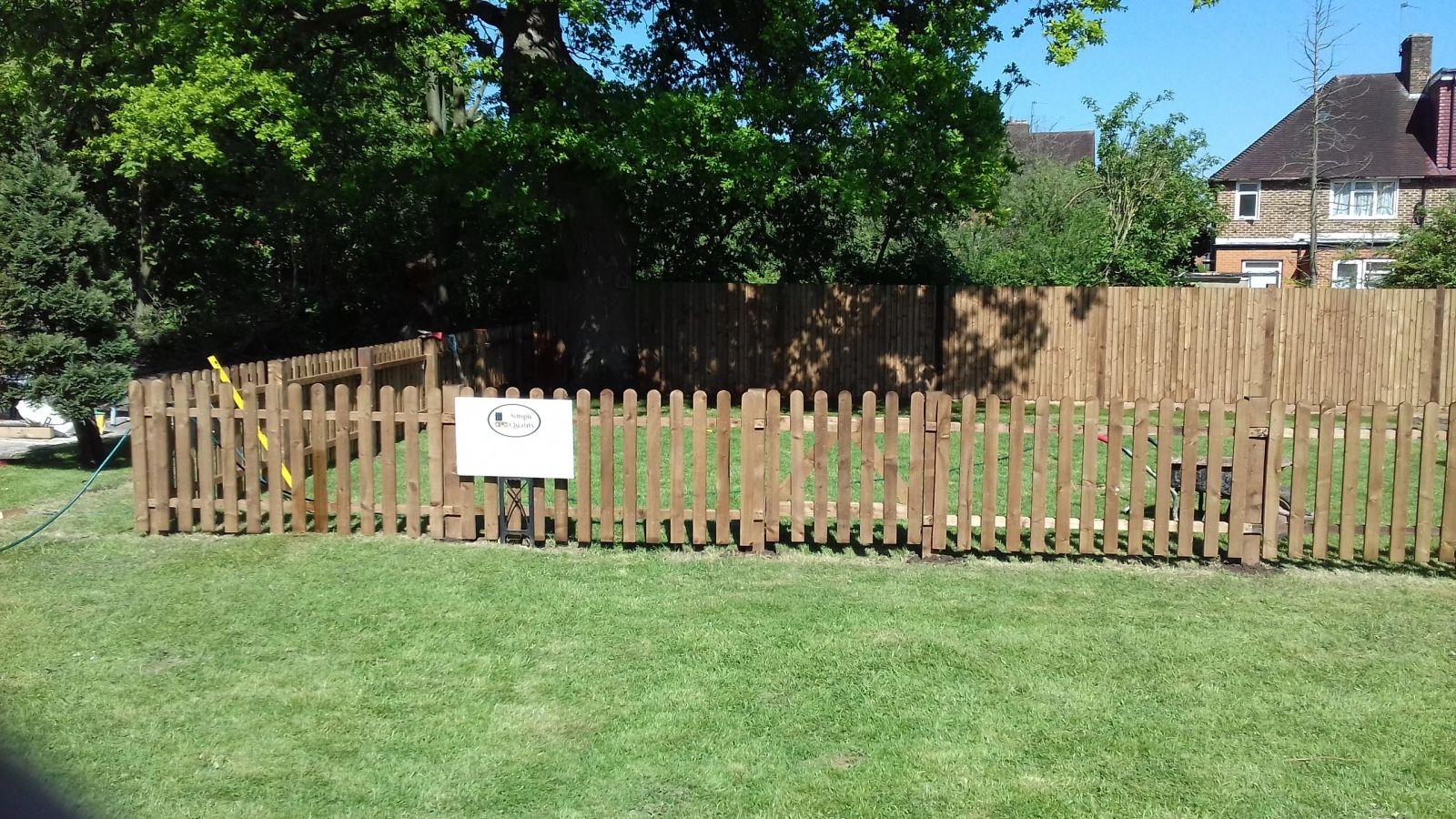
Boundaries around schools, nurseries and other settings used by children are usually specified with child safety in mind first — no horizontal rails that could be used to climb, gaps too narrow to trap a small limb, and self-closing gates with child-safe latches on any pedestrian access.
Height matters both for containment and sightlines: too high and staff lose visibility into a play area from a building; too low and it's not a meaningful boundary at all.
Any work on an occupied site with children present also has practical scheduling implications — most of this work happens outside term time or during holiday closures to avoid disruption.