Standby generator noise
A standby or backup generator produces loud, sustained engine noise during testing or an outage, concentrated into a mechanical drone with a strong low-frequency component from the engine block.
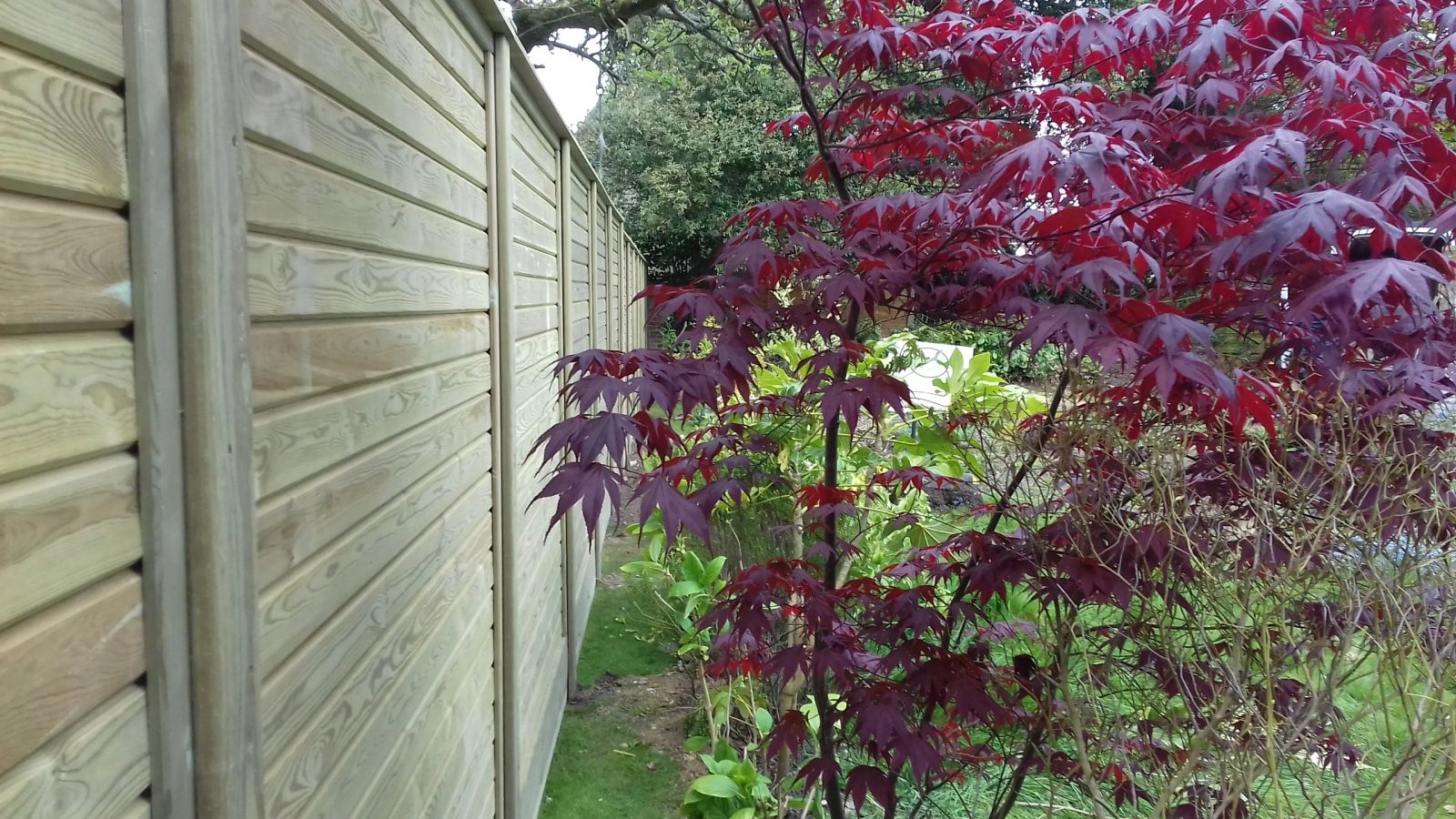
An enclosure or barrier built close around the generator location is generally more effective than a distant boundary fence, since it intercepts the sound at the point it's loudest rather than after it has spread across open ground.
Emergency vehicle sirens
A siren is engineered to be audible over background noise at considerable distance and across a wide frequency range, which makes it one of the noise sources least affected by a domestic acoustic barrier of any practical height.
This is set out clearly to anyone near a main road or hospital route so that occasional siren noise isn't mistaken for a sign the barrier isn't working — it's simply outside what boundary fencing is designed to address.
Hedgerow removal and nesting-bird season
Removing or cutting back a hedge to install a new boundary fence is generally best avoided between March and August, the main bird nesting season, since disturbing an active nest is an offence under the Wildlife and Countryside Act regardless of intent.
Some countryside and agricultural hedgerows are also protected under the Hedgerow Regulations, which can require notifying the local authority before removal even outside a garden setting.
A pre-work check of the hedge for active nests, and scheduling removal for autumn or winter where the timeline allows, avoids both the legal risk and the delay of having to stop mid-job.
Wet rot versus dry rot fungi in fence timber
Wet rot fungi need sustained high moisture content to establish and spread, and are the more common cause of decay in buried or ground-contact fence posts that stay consistently damp.
Dry rot, despite the name, also needs moisture to establish initially but can then spread through drier surrounding material via root-like strands, making it more of a concern in enclosed, poorly ventilated timber structures than open-air fencing.
In practice, most fence post decay encountered on typical garden and boundary fencing is wet rot rather than dry rot, given the open, ventilated conditions most fencing timber sits in.
Choosing a self-closing mechanism for pool or drive gates
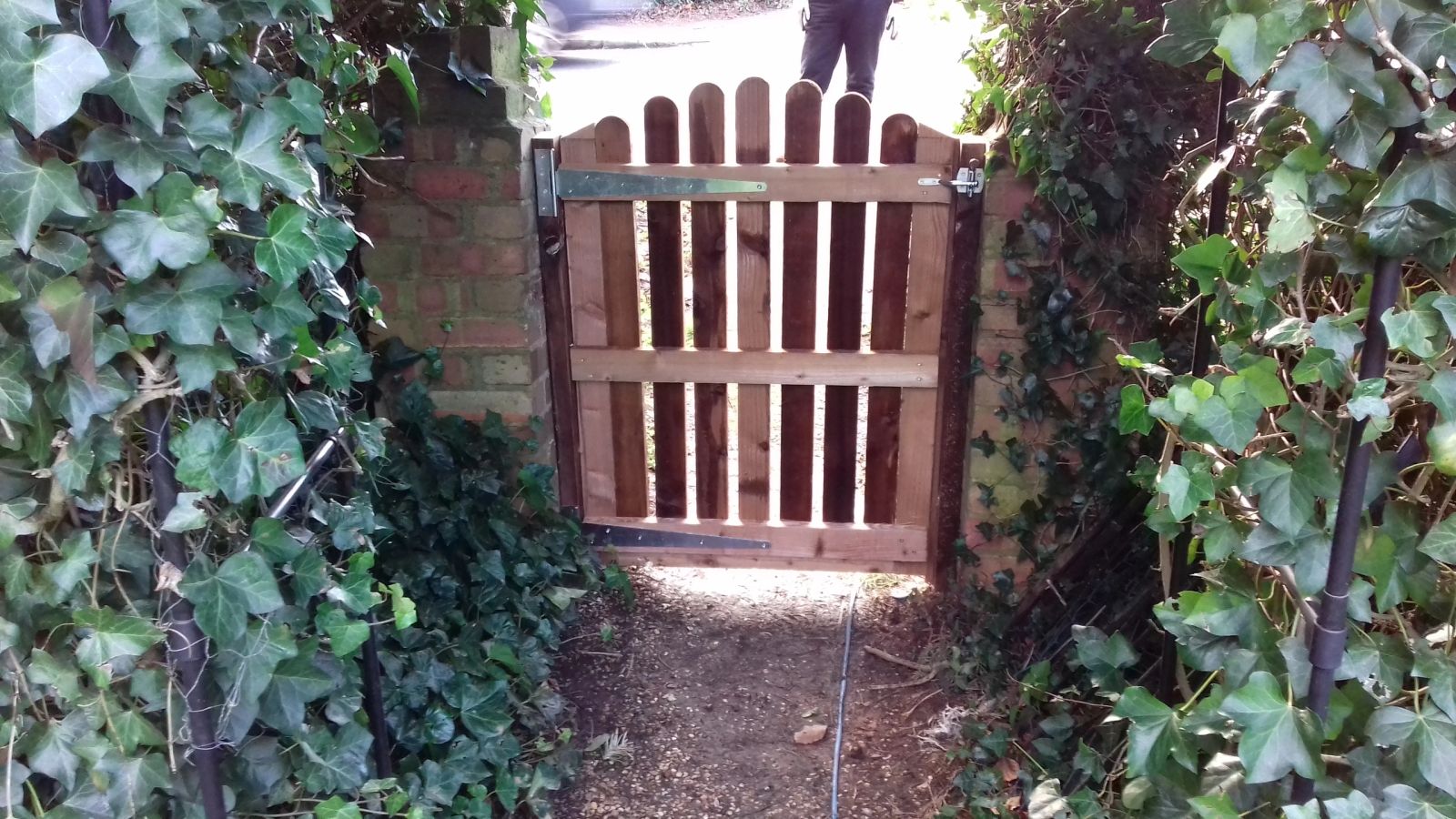
A spring-loaded hinge, hydraulic closer, or gravity-hinge design (where the hinge itself is angled so the gate swings closed under its own weight) each achieve self-closing in a different way, with different maintenance needs and different feel in use.
Gravity hinges are mechanically simple and low-maintenance but rely on the gate post and hinge post staying accurately set, since any settling changes the closing behaviour.
Hydraulic or spring closers give a more consistent, adjustable close but are an additional mechanical component that itself needs occasional servicing or replacement over the gate's life.
Boundary treatments in a conservation area
Being inside a conservation area doesn't automatically ban garden fencing, but many councils apply an Article 4 direction locally that removes some permitted development rights, meaning even modest boundary changes may need planning permission.
Where this applies, guidance often favours traditional materials and finishes that suit the area's character over modern composite or brightly coloured alternatives.
The only reliable way to know what applies to a specific property is to check with the local planning authority, since conservation area rules vary considerably between councils.
Picket fence styles and spacing
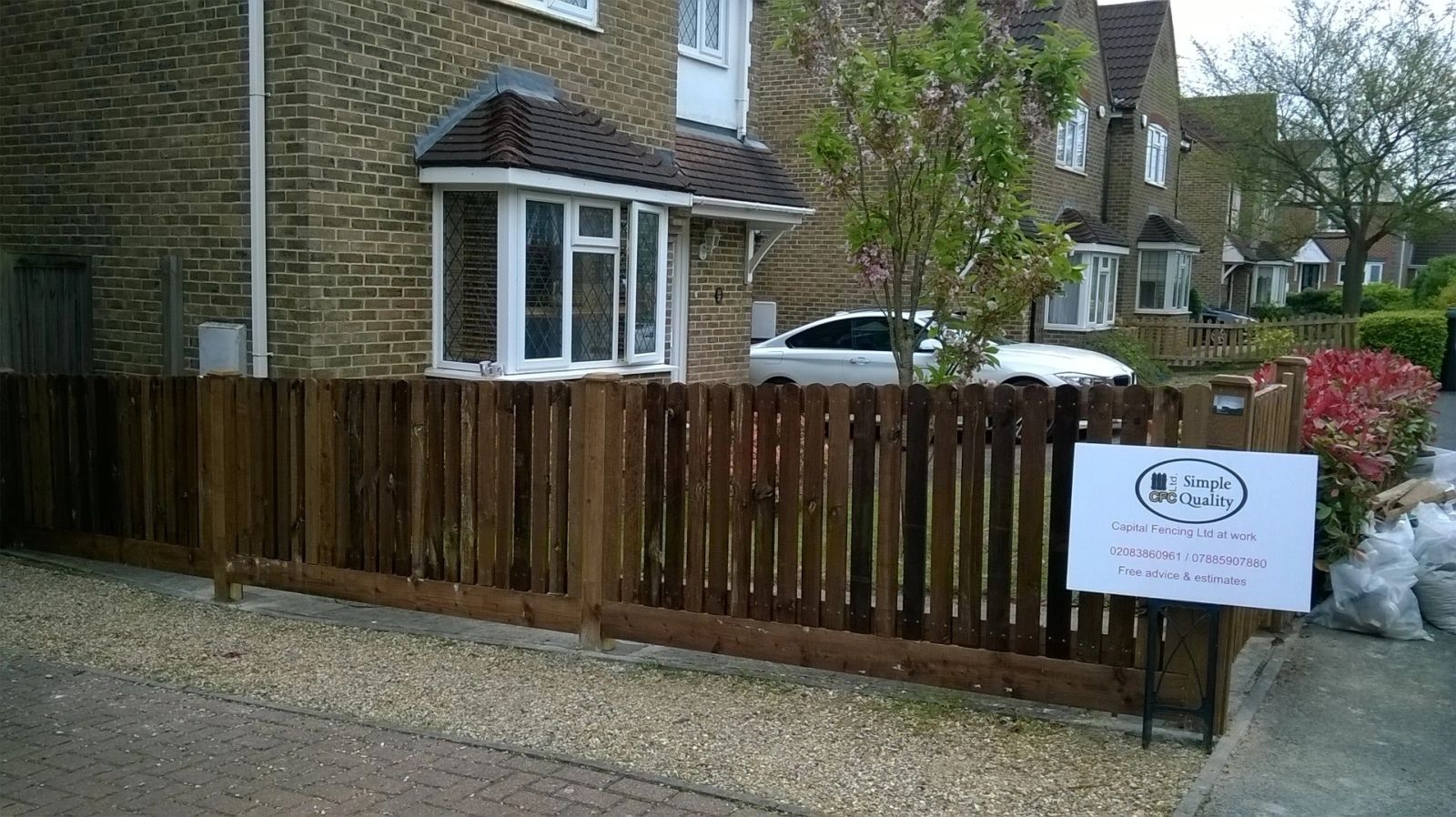
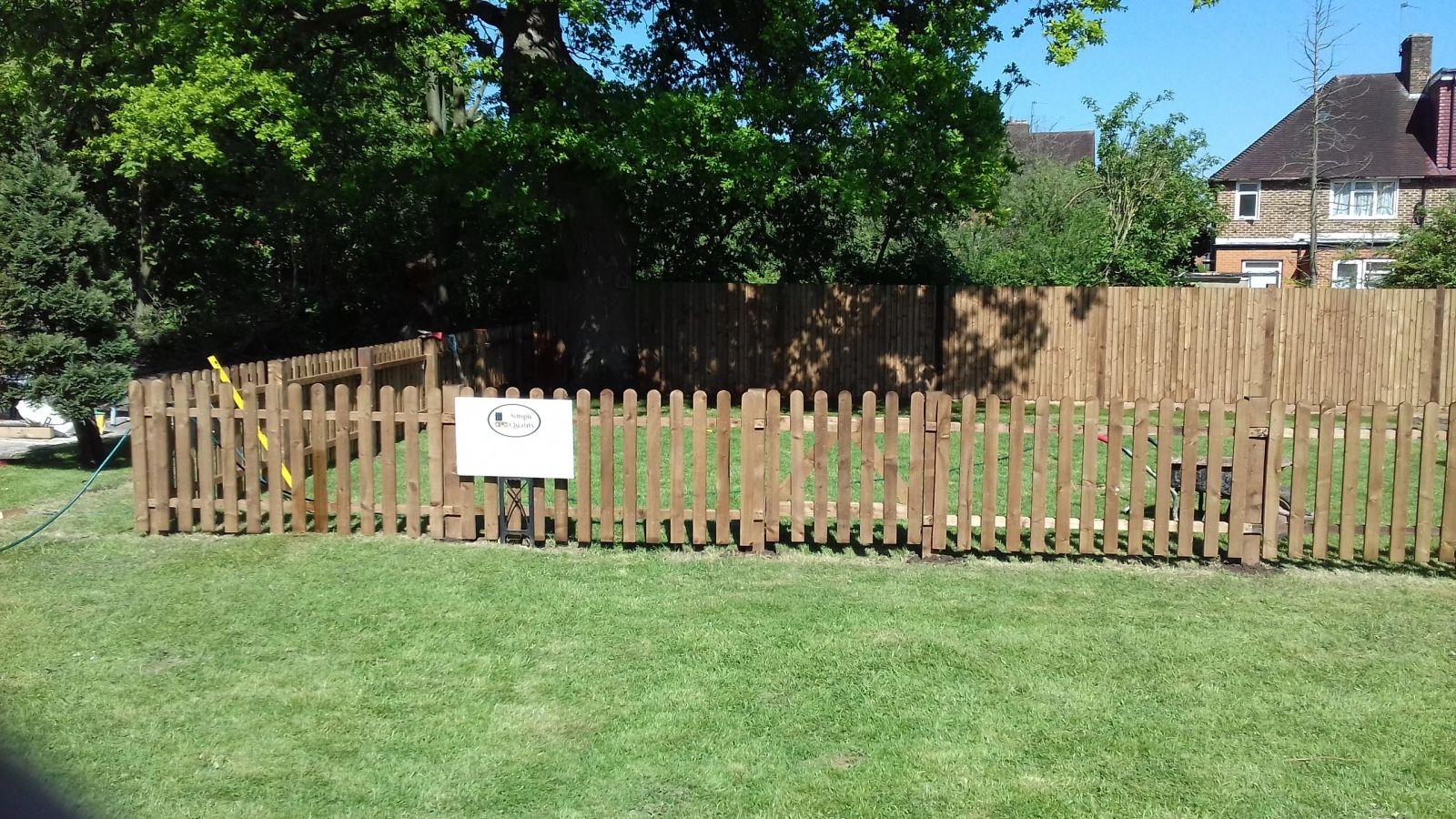
Picket fencing trades privacy for a lower, more open boundary, which suits front gardens where sightlines to the street and a welcoming appearance matter more than screening.
Picket spacing is a genuine design choice — narrower gaps look more traditional and offer a bit more containment for small pets, while wider spacing uses less timber and lets more light and air through a planted border behind it.
Because picket fencing is low, it rarely needs the same post depth as a taller closeboard run, though corner and gate posts still need proper concrete footings regardless of the fence's height.
Green belt and stock-proof boundaries
Plots backing onto green belt land, paddocks or working farmland often need a genuinely stock-proof boundary rather than a decorative garden fence, particularly where livestock graze the adjoining field.
Post-and-rail with stock netting, or a taller close-boarded run where privacy also matters, both do the job, but a standard panel fence with gaps at the base is routinely pushed through or under by sheep and larger dogs.
Any new boundary on green belt land should also be checked against local planning policy, since green belt designation adds another layer of restriction on top of the usual permitted development rules.
Coordinating fence height with CCTV sightlines
A taller or more solid fence installed after cameras are in place can blind a sightline that used to cover the boundary, so camera angles should be checked before a height increase is finalised, not after.
Where both are being fitted together, camera mounting height and field of view are agreed against the fence design so the two work together rather than one undoing the other.