Boundary ownership before an acoustic upgrade
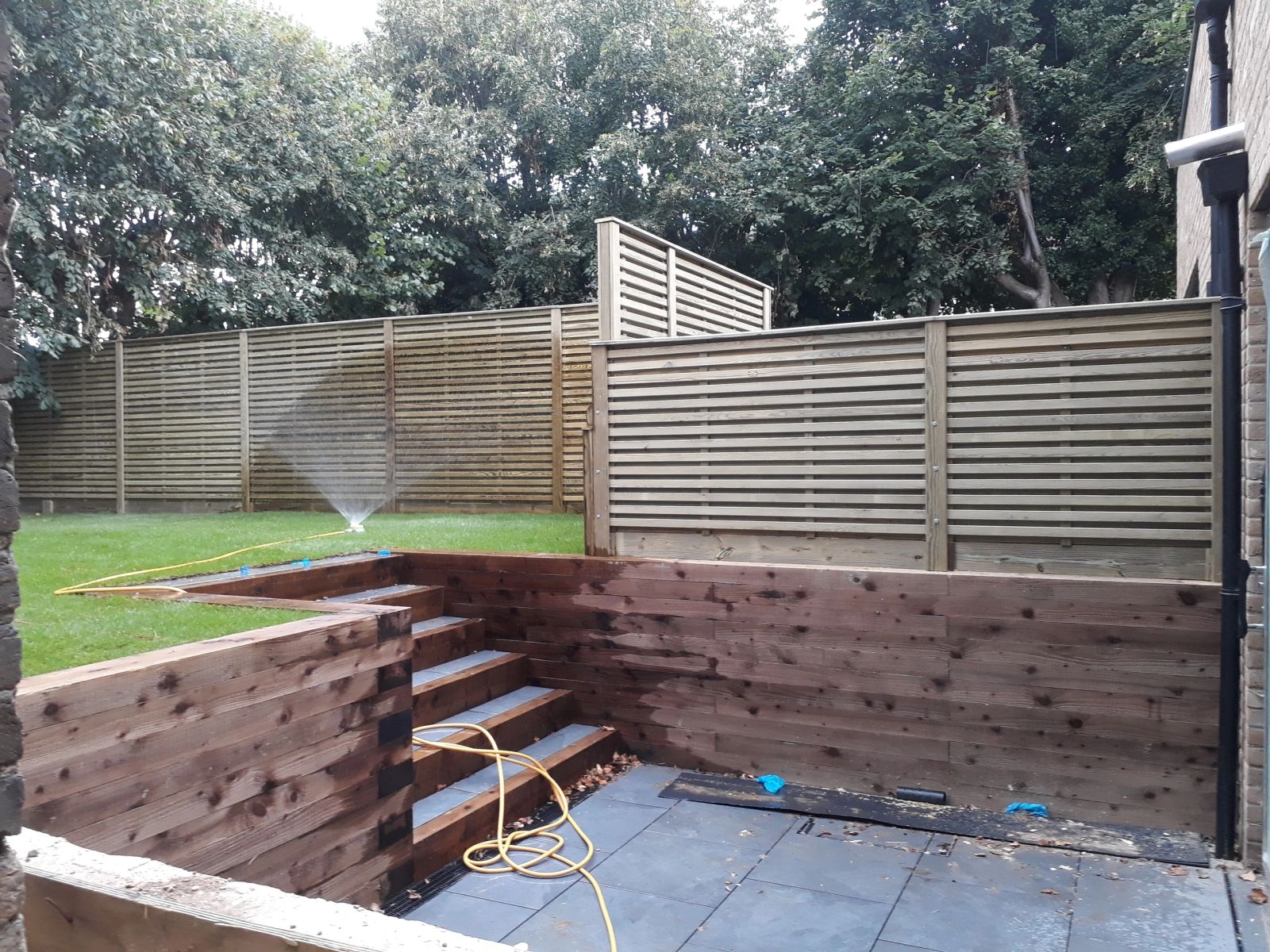
An acoustic upgrade often means removing a low or gappy boundary and replacing it with something taller and more solid, which is exactly the kind of change that should be agreed with a neighbour in writing first if the boundary is shared.
On a terraced row backing onto a noise source, several neighbouring gardens often want the same upgrade, and coordinating the spec across them keeps the finished line consistent.
Seasonal ground conditions affecting installation
Clay ground shrinks and cracks in a dry summer and swells again over winter, which can loosen a post fixed during one season and tightened again by movement in another — installation timing is factored into how deep and how set a post needs to be.
A frozen or waterlogged base isn't workable for concreting, so winter installations sometimes need a delayed pour or a temporary prop until ground conditions allow the footing to cure properly.
Timber density and moisture content
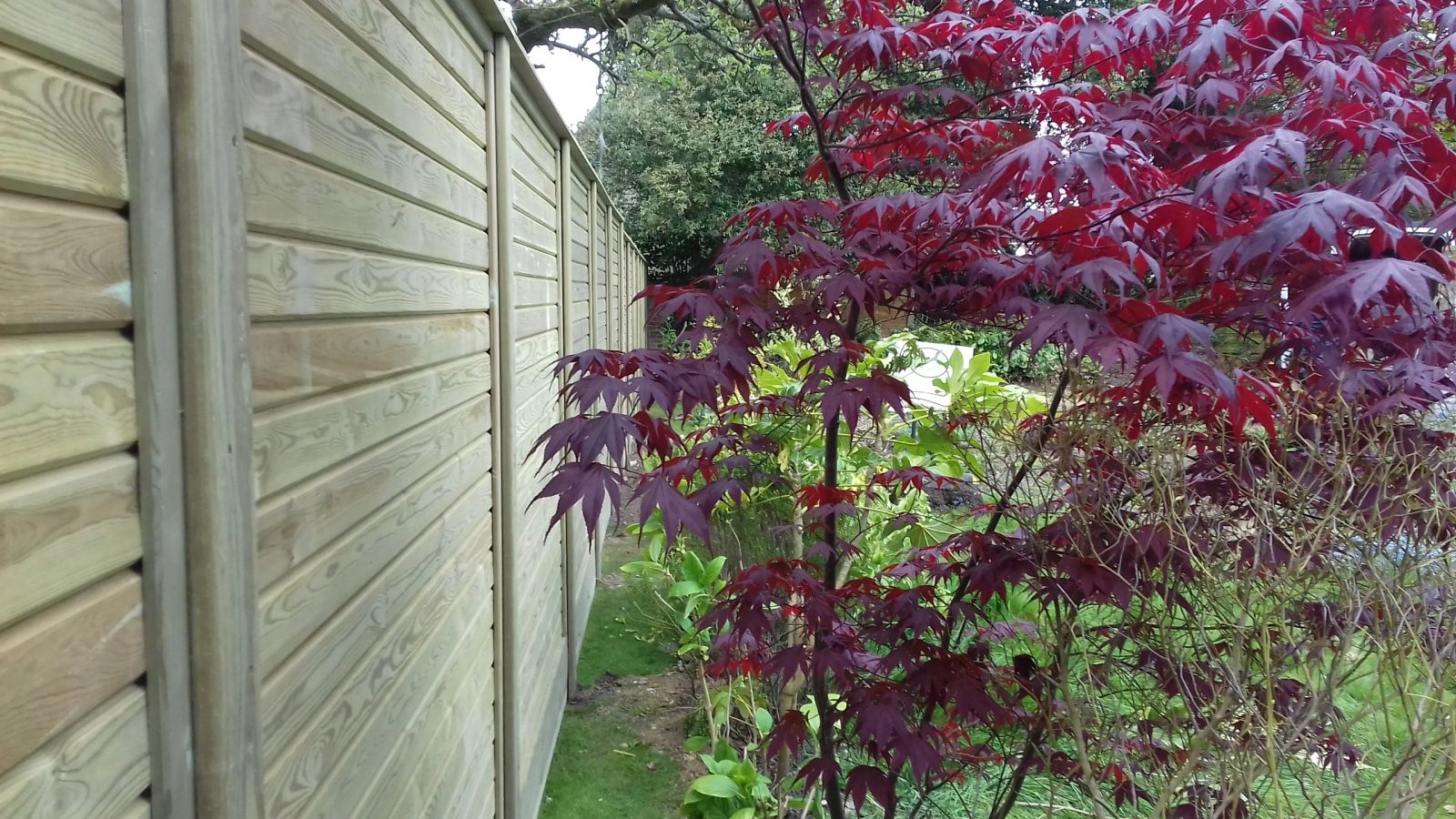
Denser timber species and sections add more mass per board than a lighter, fast-grown equivalent of the same nominal thickness, which is why species and grading are specified rather than left to whatever's in stock.
Moisture content also affects mass and stability — timber supplied too wet will shrink as it dries, opening joints that were sealed at installation, so kiln-dried or properly seasoned stock is preferred for an acoustic build.
Mesh apertures and wire gauge
A mesh fence's aperture, the size of each gap between wires, and its wire gauge, the wire's diameter, together determine how much it restricts sightlines, resists intrusion and how heavy the finished panel is.
A smaller aperture with a heavier gauge wire gives better security and a more solid appearance, but adds weight and wind load that the supporting posts and foundations need to be sized for.
Wire gauge is often expressed in millimetres in current UK specifications rather than the older imperial standard wire gauge numbers, and mixing the two systems when comparing products can lead to ordering the wrong strength mesh.
School run and playground pick-up noise
The noise around a school gate at drop-off and pick-up combines car doors, idling engines and children's voices in a concentrated twice-daily peak rather than a constant level through the school day.
A barrier along a boundary facing a school gate is more useful for softening that peak than for the quieter periods either side of it, so its benefit is judged against those specific windows.
Applying for a Land Registry boundary determination
Where a boundary's exact position is genuinely disputed, it's possible to apply to HM Land Registry for a 'determined boundary', which involves a formal survey and legally fixes the line rather than leaving it as a general indication.
This process is comparatively rare for domestic disputes because of the cost and evidence involved, and is normally a last resort after direct discussion has failed.
Most everyday fence replacement work never needs this, but it exists as a formal route for the minority of cases where agreement genuinely can't be reached.
Combining a low mound with a fence on top
A modest earth mound topped with a fence can achieve a similar overall screening height to a much taller fence alone, while needing less imported barrier height and giving a softer, planted appearance at the base.
This combination suits a plot with enough depth to accommodate the mound's footprint, and the fence portion still needs the same attention to sealing and joint detail as a full-height barrier on its own.
High water table and post-base concrete
On a plot where the water table sits close to the surface, a post hole can start filling with groundwater before the post is even positioned, which stops a wet concrete mix from curing properly around the base.
The usual fix is a free-draining pea shingle or hardcore base rather than solid concrete, letting water pass the post instead of holding it in permanent damp.
Pumping a hole dry immediately before setting the post is only a short-term measure if the water simply returns within minutes, and that's usually the signal to change the base specification rather than repeat the attempt.
Car wash and jet-wash noise
A commercial car wash or a domestic jet-wash produces a high-pressure hiss along with motor noise from pumps and vacuums, and the hiss component sits at higher frequencies that a solid barrier generally handles well.
Where a neighbouring property runs a car wash or valeting business close to a boundary, a barrier close to that source captures more of the noise before it spreads than one set back into the receiving garden.