London & Hertfordshire Free Site Visit
Potters Bar · EN6

Garden Decking for 1930s semis in Potters Bar

Most of our Potters Bar decks go in for repeat customers and word-of-mouth referrals — neighbours who've seen the last job stand up to a few winters and decided their own boundary needed sorting. Across EN6 the pattern is consistent: many gardens border the green belt — the brief usually needs sturdy stock-proof boundary work. The fix is to spec around it, not patch it later. Hatfield Road, The Walk Oakmere Park South Mimms services, at the M25/A1(M) interchange, lies on the edge of the town.

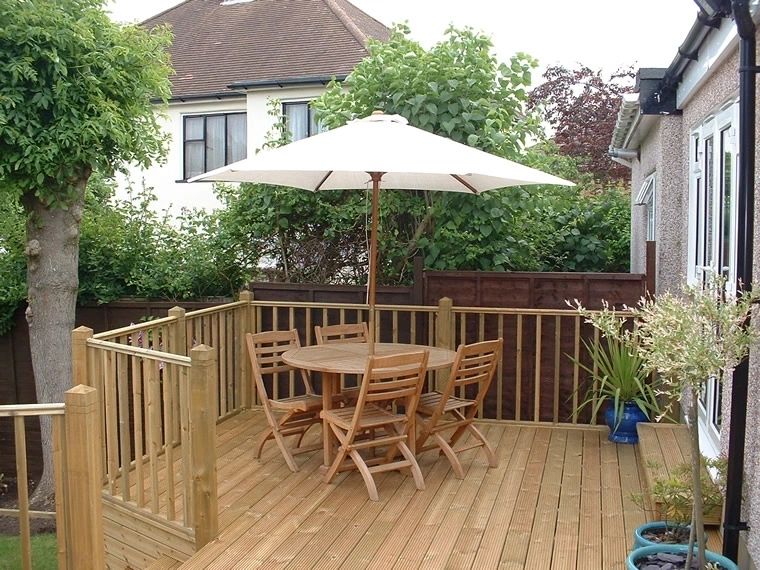
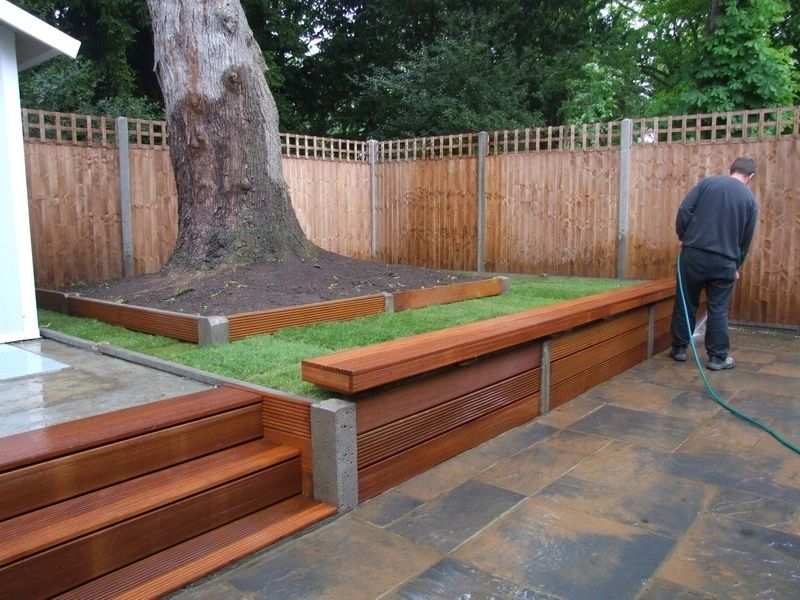
softwood garden decking installed by Capital Fencing in Potters Bar (EN6)

Potters Bar decking — common briefs

  • Garden levelling on 1930s semis

    Many Potters Bar gardens are generous rear gardens — often deep enough for decking plus a separate utility area — raised decks fix the slope and add a usable flat area.

  • Working around many gardens border the green belt — the brief usually needs sturdy stock-proof boundary work

    Every quote we write in EN6 factors this in from the first measure.

  • Boundary work near Cranborne Industrial Estate

    Quick turnarounds, with materials that match the surrounding residential streetscape.

  • Composite vs hardwood for Potters Bar gardens

    Composite suits low-maintenance briefs near Cranborne Industrial Estate; hardwood still wins for big spans and a long-term natural look.

Materials we use in Potters Bar

softwood

Specified where it suits the brief — depth, exposure, garden style.

yellow balau hardwood

Specified where it suits the brief — depth, exposure, garden style.

Q-Deck composite

Specified where it suits the brief — depth, exposure, garden style.

Trex composite

Specified where it suits the brief — depth, exposure, garden style.

ipe hardwood

Specified where it suits the brief — depth, exposure, garden style.

On-the-ground in Potters Bar

Local context for Potters Bar

Potters Bar sits just inside the M25 at Junction 24, on the boundary between Hertfordshire and Greater London. The town's housing is predominantly inter-war semi-detached, built as the area developed following the arrival of the railway. South Mimms services, at the M25/A1(M) interchange, lies on the edge of the town.

Streets in the area

  • Darkes Lane
  • The Walk
  • Mutton Lane
  • Hatfield Road
  • Mimms Hall Road

Local landmarks

  • Potters Bar station
  • Oakmere Park
  • South Mimms services
Typical property

1930s semis, post-war detached homes around Cranborne Road, and infill developments near Little Heath

Typical garden

generous rear gardens — often deep enough for decking plus a separate utility area

What actually matters for garden decking around Potters Bar

Gates within an acoustic boundary

A gate is the weak point in an otherwise sealed acoustic line, since even a well-built gate has a working gap around its edges that a solid panel doesn't. Where a gate has to sit within an acoustic run, we minimise that gap with overlapping stops rather than a simple butt-jointed frame.

Heavier ironmongery is specified to carry the extra weight of a denser gate face without sagging.

Earth mound height compared with fence height

An earth mound or bund generally needs to be considerably wider at its base than a fence needs to be thick to achieve a similar screening height, since its side slopes have to be stable rather than vertical.

Where garden space allows it, a planted mound can outperform a fence of the same height because its sloped, planted surface absorbs some sound rather than reflecting it, but the space it takes up rules it out on many smaller plots.

Wheels and rollers on old sliding gates

Wheels on an older sliding gate wear unevenly over years of use, and a gate that starts to lean or drag to one side as it slides is often down to worn wheels rather than a bent frame.

Replacing worn wheel or roller assemblies is usually straightforward provided the track or guide rail underneath is still true.

Timber shrinkage and swelling across seasons

Timber gate frames swell slightly in wet weather and shrink back in dry conditions, and a gate built with no allowance for that movement can bind in one season and rattle loose in another.

A small design gap at the latch side accommodates this movement without needing seasonal adjustment of the hardware itself.

Dog damage and low-level reinforcement

Repeated pushing, chewing or digging by a dog tends to damage the lowest section of a fence first, since that's the section within reach and the section closest to any dug-out gap at ground level.

Reinforcing the repaired section with a mesh liner or a kickboard behind the lower boards addresses the recurring cause rather than just replacing the damaged timber.

Timber stain versus paint breathability

A translucent or semi-transparent stain generally remains vapour-permeable, allowing moisture that gets into the timber to escape back out again as the wood dries, which reduces the risk of trapped moisture driving rot.

Solid, opaque paint films are often less permeable, and a paint film that cracks or is breached can trap moisture behind it against the timber, sometimes accelerating localised decay compared with an unpainted equivalent.

Modern microporous exterior paints aim to combine paint's fuller colour coverage with a degree of vapour permeability, narrowing but not eliminating this trade-off between appearance and moisture management.

Matching a new run to an existing style

Matching an extension or repair to an existing fence starts with identifying the actual system in use — panel type, post type, rail count, board profile — rather than assuming any similarly-priced product from a different range will look consistent alongside it.

Weathered timber and faded composite are both difficult to match exactly with new material, so a visible seam between old and new sections is often unavoidable and worth agreeing with the client at quote stage rather than promising an invisible join.

Where a manufacturer has changed a profile or a colour range since the original was fitted, matching sometimes means re-doing a full run rather than extending it, which is worth flagging before ordering a small top-up quantity.

British Standards relevant to fencing

BS 1722 covers specifications for fences and gates across a range of types including chain link, wooden palisade, and estate fencing, setting out minimum post spacing, wire gauges and timber dimensions for each category.

These standards aren't legally mandatory on a private domestic job in the way building regulations are, but they're the reference point used in commercial specifications, school and public sector tenders, and by insurers assessing whether a boundary structure was reasonably built.

Where a job is speculatively described as 'to British Standard', it's worth confirming which specific part of BS 1722 is meant, since the standard covers a wide family of very different fence types.

Segregating timber and concrete waste

Treated timber, plain untreated offcuts and broken concrete are usually classed and processed differently at a waste facility, so keeping them in separate piles or skip compartments on site can reduce disposal cost and avoid a mixed load being rejected.

Old concrete post bases and gravel boards are inert waste and can sometimes be crushed and reused as hardcore rather than sent to landfill, which is worth checking with the waste carrier before assuming it all goes in one load.

Metal fittings — old hinges, bolts, wire ties — pulled out during a strip-down are usually worth separating too, since scrap metal is handled through a different route to general construction waste.

Adjusting a gravity latch's catch point

A gravity latch relies on the gate's own weight to drop a weighted bar into a fixed keep as it swings closed, and it stops catching reliably if the gate's resting angle changes even slightly from wear or ground movement.

Re-setting the keep position, rather than replacing the latch, is usually the fix once the gate's resting swing has shifted.

Repairing fence sections undermined by fox or badger digging

A gap dug beneath a gravel board or the base of a panel is usually a fox rather than a badger unless it's part of a larger, more established sett system, and the repair approach differs depending on which is causing it.

Fox damage can usually be repaired by reinforcing the base with a buried mesh skirt or a deeper gravel board, but any active badger sett close to the boundary is legally protected and needs specialist advice before any digging near it as part of the repair.
Why this Potters Bar page exists

Potters Bar sits within Hertsmere Borough Council, with Potters Bar (Great Northern) as the anchor and A1000 Great North Road the main route in and out. M25 J24 (Potters Bar) puts the decking crew on site fast, and our radius takes in barnet, hatfield, borehamwood comfortably. The local commercial cluster around Cranborne Industrial Estate sees us regularly for security and boundary work.

Council
Hertsmere Borough Council
Postcodes
EN6
Nearest motorway
M25 J24 (Potters Bar)
Main route
A1000 Great North Road
Transport anchor
Potters Bar (Great Northern)
Written Spec

Every Potters Bar job starts with an itemised written quote, so nothing is assumed.

Local Coverage

Installing garden decking across Hertfordshire.

Own Crew

No subcontracted labour on site.

Tidy Finish

Potters Bar gardens left clean at end of every day.

Recent decking work near Potters Bar

softwood garden decking installed by Capital Fencing in Potters Bar (EN6)
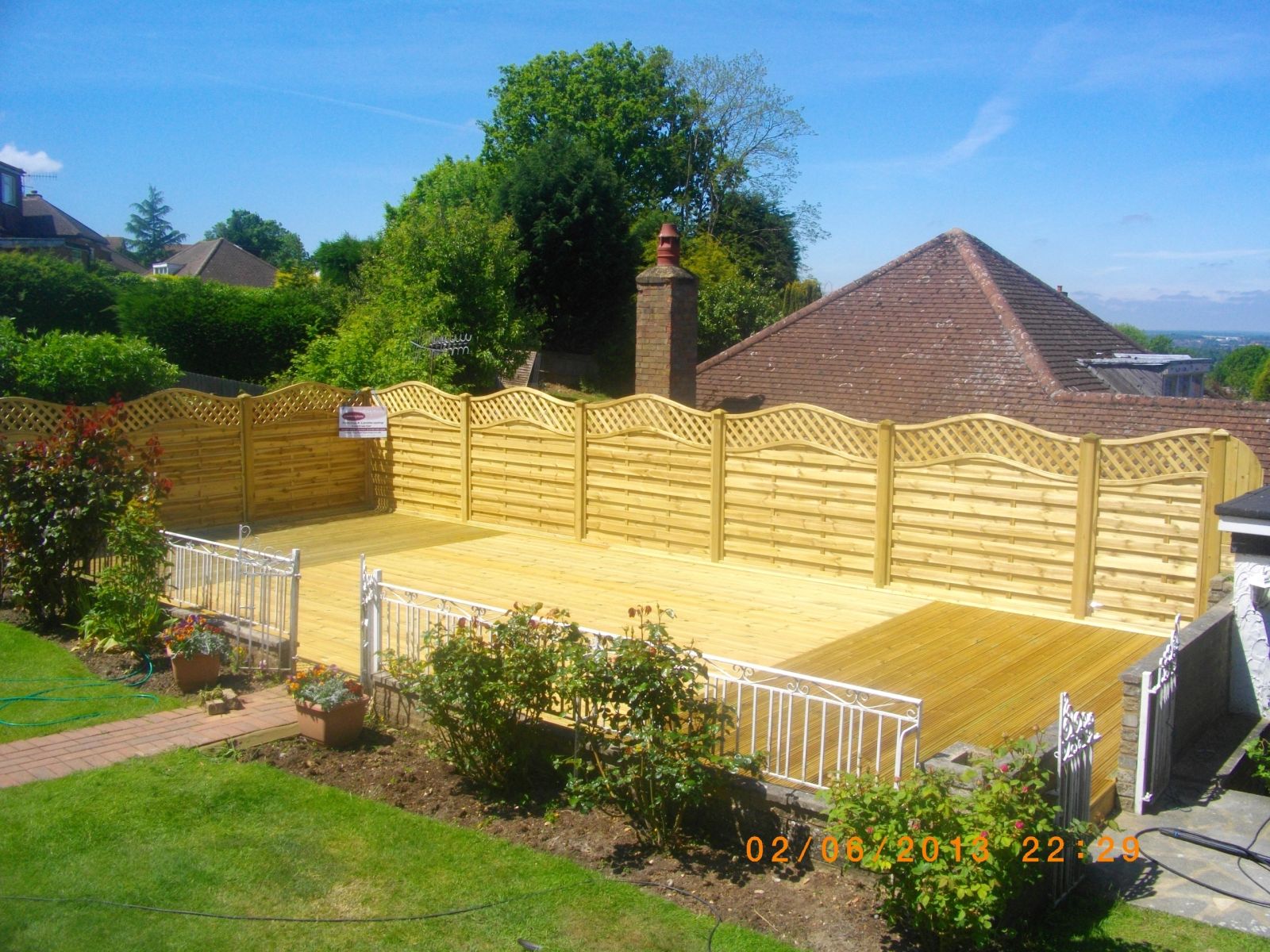
hardwood deck install installed by Capital Fencing in Potters Bar (EN6)
composite decking installed by Capital Fencing in Potters Bar (EN6)
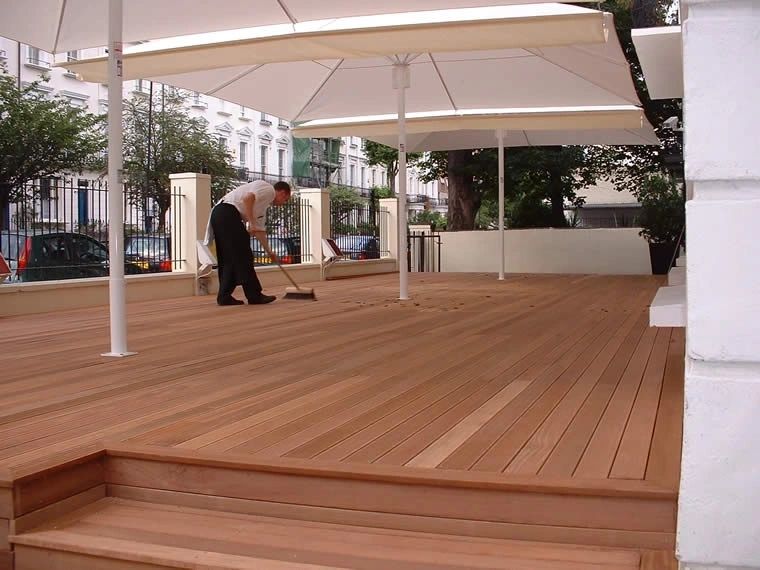
raised garden deck installed by Capital Fencing in Potters Bar (EN6)
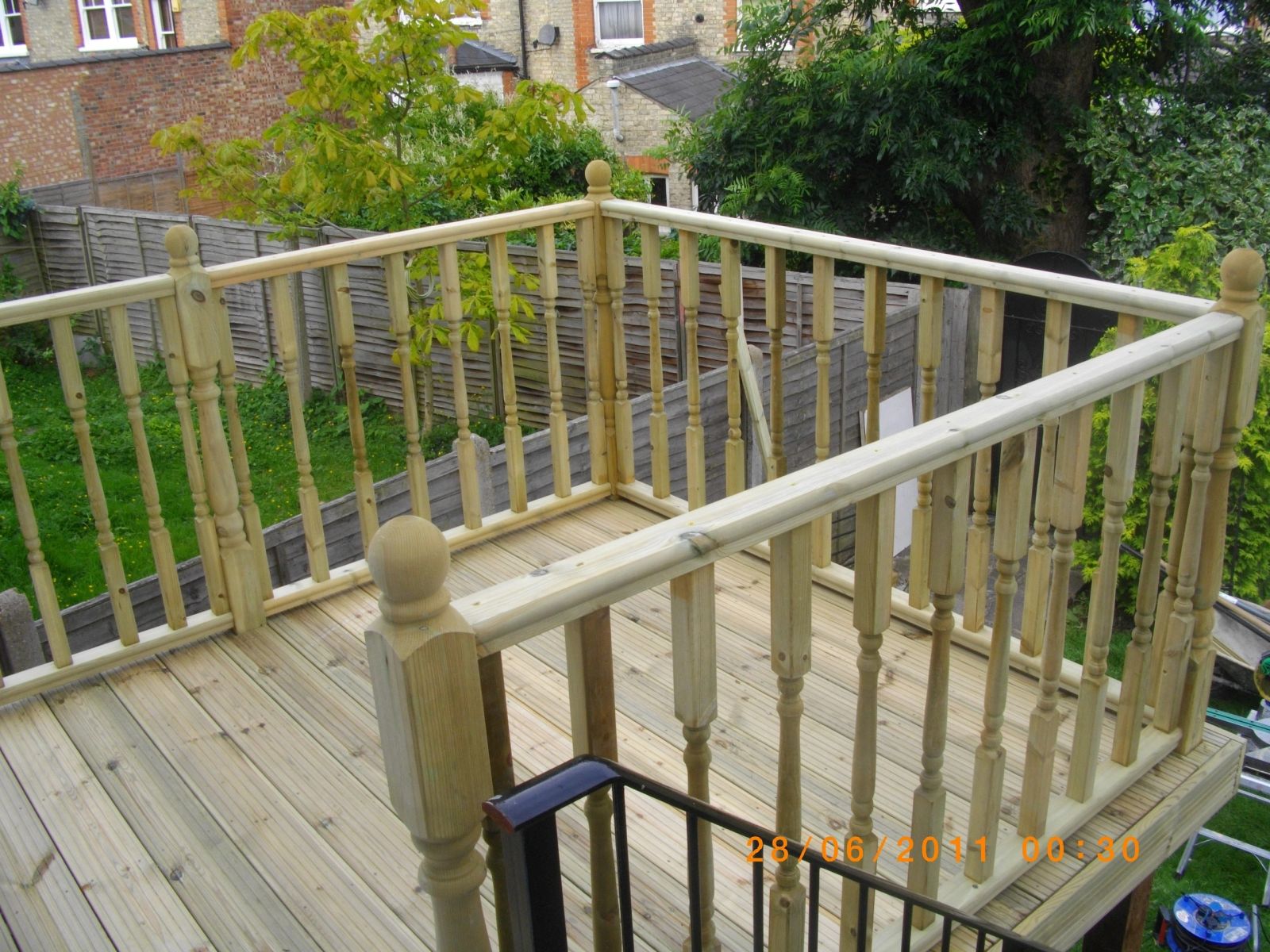
decking with steps and balustrade installed by Capital Fencing in Potters Bar (EN6)

Nearby areas we cover from Potters Bar

Within practical driving distance of Potters Bar via A1000 Great North Road and M25 J24 (Potters Bar).

FAQ — decking in Potters Bar

Do you offer balustrade and step options?+

Yes — balustrades, steps, integrated lighting and skirts. Useful on Potters Bar's mid-size gardens. Mimms Hall Road, The Walk Oakmere Park South Mimms services, at the M25/A1(M) interchange, lies on the edge of the town.

Can you handle commercial or sector-specific work in Potters Bar?+

Yes — we regularly install around Cranborne Industrial Estate in Potters Bar, with security-spec heights and proper paperwork for site access.

Can you handle the soil and ground conditions in Potters Bar?+

Yes — generous rear gardens — often deep enough for decking plus a separate utility area. We concrete-set every post as standard, and where trees or services are in the way we work around them properly.

Do you stand behind the work?+

We'll come back and put right any installation issue we're responsible for. Every Potters Bar job starts with a free site visit and a written quote so you know exactly what's included before we start.

How far from Potters Bar do you cover?+

Comfortably across barnet, hatfield, borehamwood and the wider Hertfordshire area. M25 J24 (Potters Bar) keeps the radius practical.

Booking decking work in EN6 now

Most Potters Bar jobs go in within one to two weeks via M25 J24 (Potters Bar). Phone, WhatsApp a photo of the boundary, or use the form — whichever is fastest. Darkes Lane, Mutton Lane Potters Bar station Potters Bar sits just inside the M25 at Junction 24, on the boundary between Hertfordshire and Greater London.

In short — Garden Decking in Potters Bar

If you want garden decking in Potters Bar (EN6) done once, properly, by a fixed local crew — that's what Capital Fencing has built its name on around A1000 Great North Road. Free site visit, itemised quote, and we'll explain exactly why we're specifying what we are. Mimms Hall Road, Hatfield Road Potters Bar station The town's housing is predominantly inter-war semi-detached, built as the area developed following the arrival of the railway.

Related pages

Call WhatsAppQuote