Post splitting from over-driven fixings
Driving a nail or coach screw too close to a timber post's edge, particularly near the end grain, concentrates stress in a narrow section of fibres and can split the post along the grain rather than simply seating the fixing.
Pre-drilling a pilot hole for larger fixings, especially near board or post ends, relieves that concentrated stress by giving the fixing a path that doesn't have to force the surrounding fibres apart.
Species with straighter, more even grain generally resist this kind of splitting better than timber with interlocked or knotty grain near the fixing point, where existing weaknesses in the fibre structure make a split more likely to propagate.
Slotted versus morticed concrete posts
Slotted concrete posts have a continuous groove cast into two or four faces so panels slide down into the slot from above, which makes them fast to erect but means every panel in a run has to come out to replace one in the middle.
Morticed concrete posts have discrete rectangular pockets for arris rail ends instead, matching closeboard or panel construction where individual boards or panels can be replaced without disturbing the rest of the run.
The choice is largely dictated by the fencing system being used — panel fencing wants slotted posts, boarded fencing wants morticed — rather than being a free preference at quote stage.
Ledger board fixing to an existing wall
A ledger board bolted to an existing house wall to support one edge of a deck needs to be fixed through masonry into structural material, with a damp-proof membrane strip behind it and flashing above to stop water tracking into the wall build-up.
Fixing a ledger to a cavity wall needs care to avoid bridging the cavity or compressing insulation, and on a rendered or clad wall the fixings need to reach the structural leaf behind the finish rather than just gripping the surface material.
Where the wall build-up is unclear or the deck is heavily loaded, a free-standing beam and post arrangement independent of the house wall avoids the risk altogether.
Sequencing a fence alongside window replacement works
Where both a boundary barrier and window upgrades are planned, doing the fence first can mean a temporary improvement is felt sooner, while doing the windows first addresses noise transmission through the fabric that a fence never reaches.
There's no single correct order, but agreeing it in advance based on which noise path is currently causing the most disturbance avoids spending on one improvement before establishing whether the other would have mattered more.
Bottom rail profiles that trap standing water
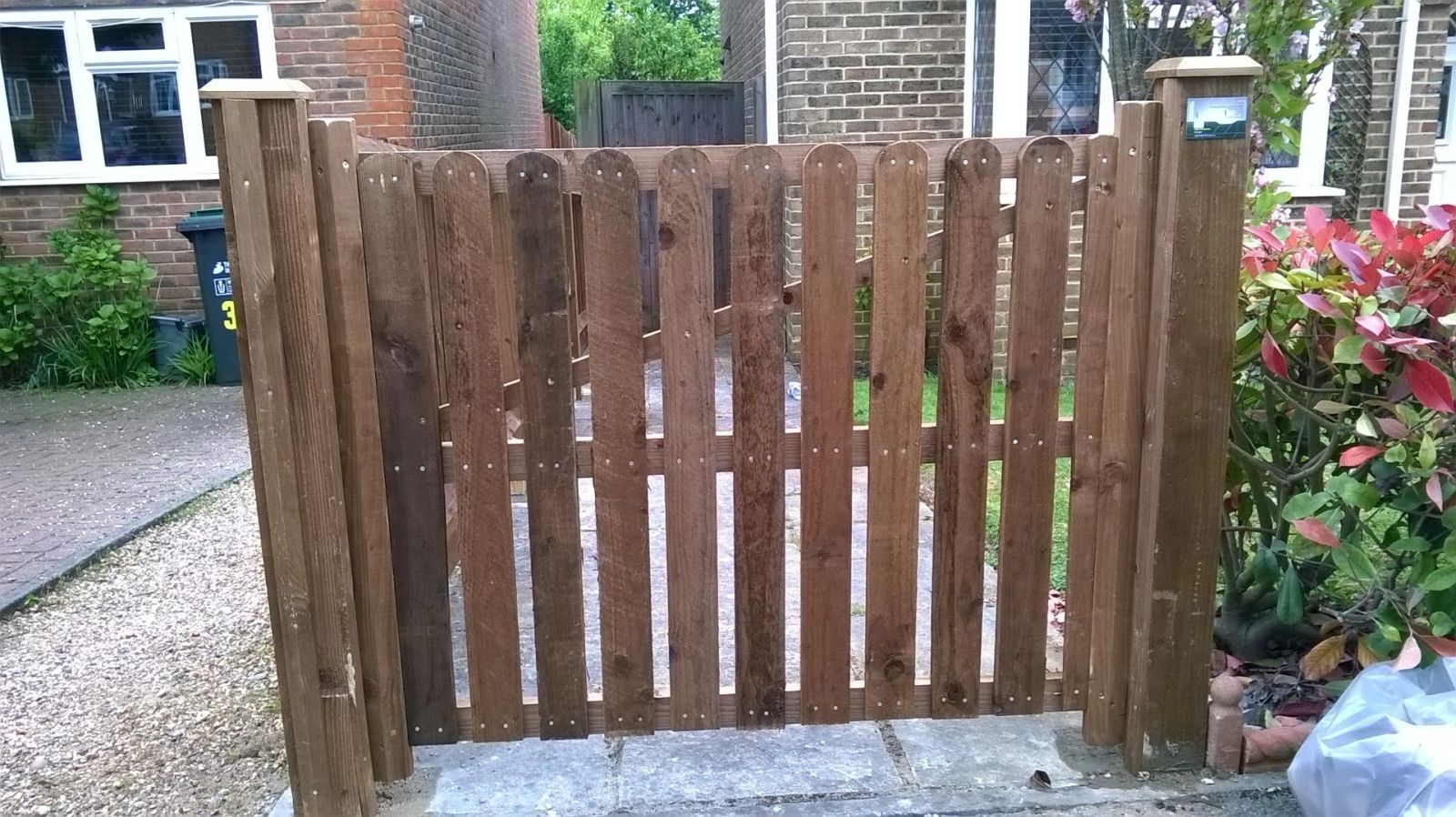
A flat-topped bottom rail on a timber gate can hold a film of standing water after rain rather than shedding it, and this repeated wetting is a common cause of rot starting at the bottom rail well before the rest of the gate shows any deterioration.
A weathered or sloped top edge on a replacement bottom rail sheds water more effectively than a flat profile, extending the life of that component specifically.
Building decking over an existing patio or hardstanding
Decking built directly over a sound existing patio saves the cost and disruption of breaking out the old surface, provided the substructure can be securely fixed to it and a fall is built in for drainage rather than trapping water underneath.
A patio with a slope toward the house, rather than away from it, needs correcting in the decking substructure rather than simply built over as-is, since a deck can't fix a drainage problem it's built directly on top of.
Ventilation gaps around the edge of a deck built over solid paving matter just as much as one built over soil, since trapped moisture and poor airflow cause the same rot risk to the substructure timber either way.
What insertion loss actually measures
Insertion loss is the difference in noise level at a given point before and after a barrier is installed, measured for that specific location and source rather than as a fixed property of the barrier alone.
The same barrier will show a different insertion loss figure at a first-floor window than at ground level in the same garden, because the geometry between source, barrier and listener changes with height.
Choosing ironmongery for a repaired gate
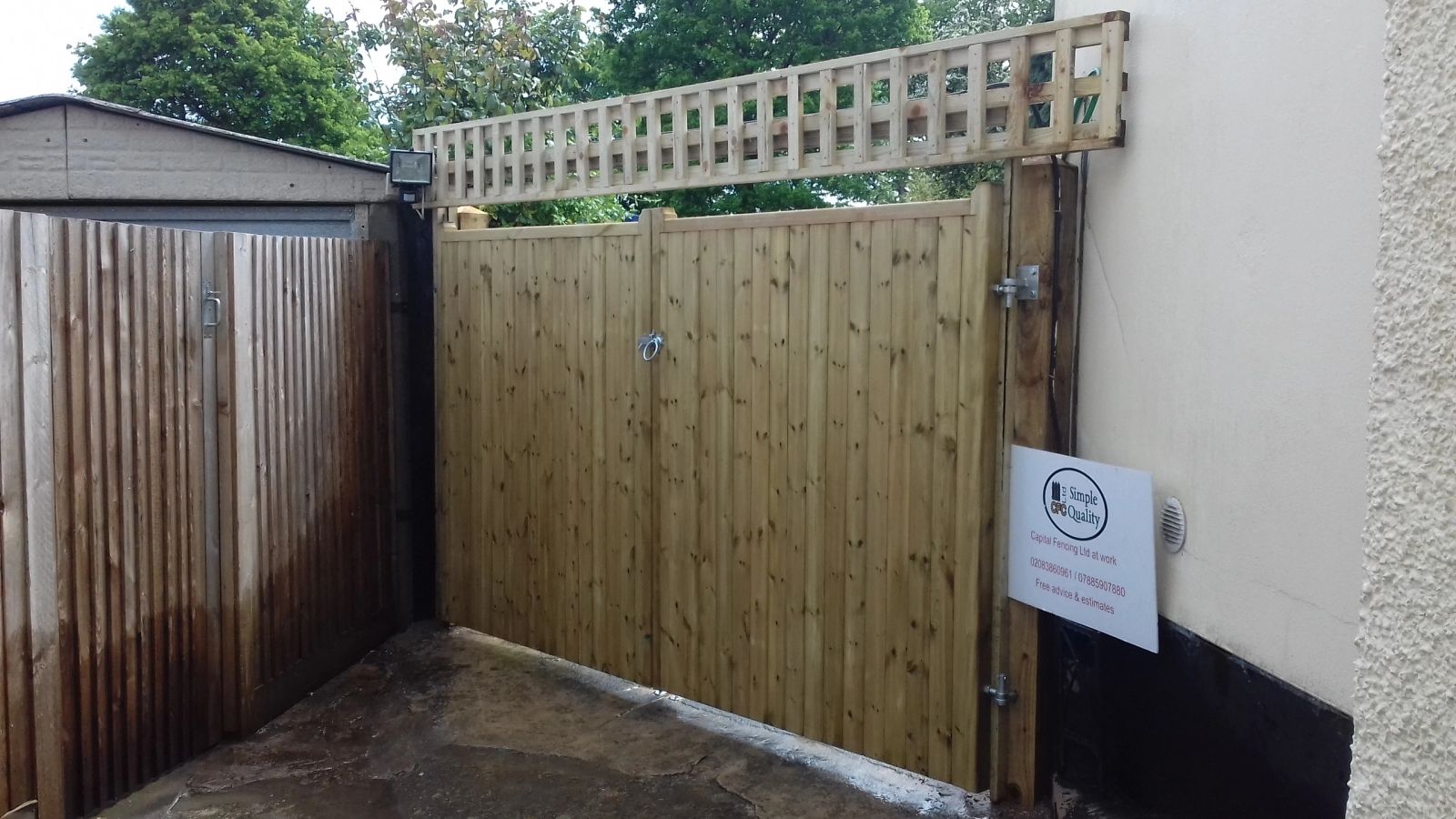
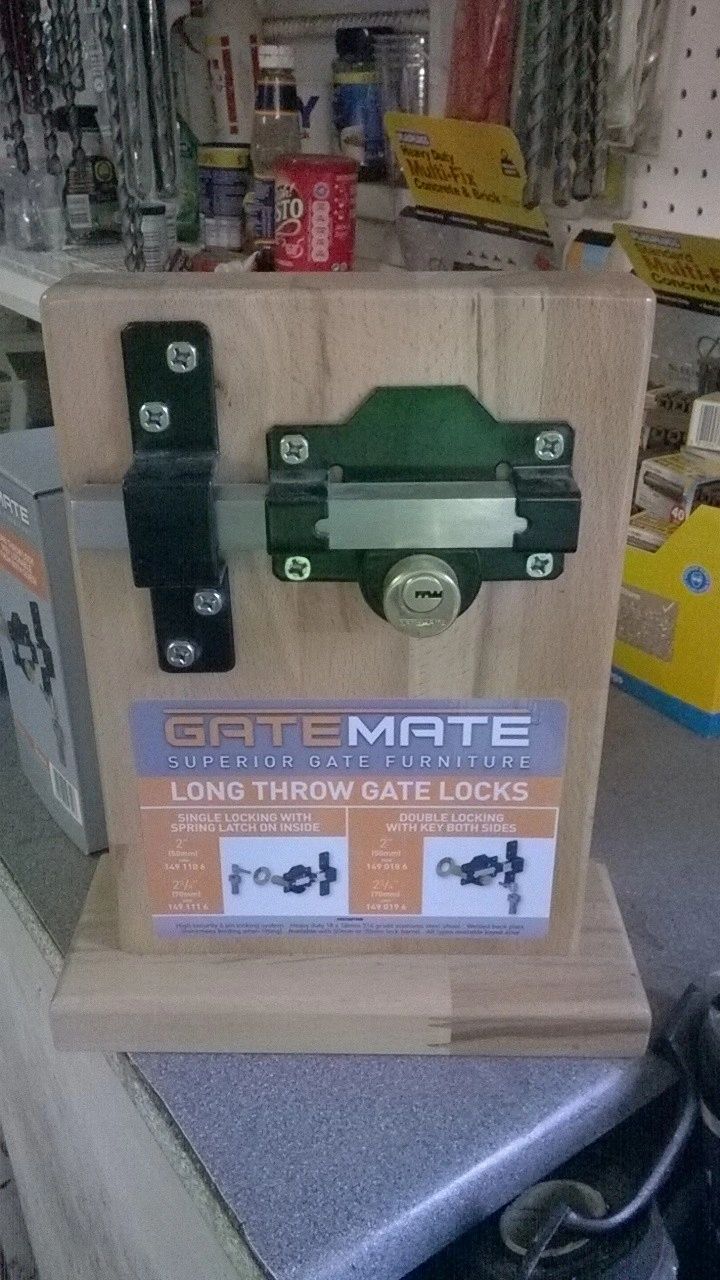
Galvanised heavy-duty hinges and latches cost little more than the light-duty fittings often supplied as standard, and they last considerably longer under repeated use, which makes an ironmongery upgrade one of the better-value additions at repair time.
Where a gate has electric automation, we handle the timber or metal gate itself and refer motor, control-board or sensor faults to a specialist automation engineer.
Boundary responsibilities under an agricultural tenancy
Where land is let under an agricultural tenancy, responsibility for boundary fencing can sit with the tenant rather than the landowner, depending on the specific tenancy agreement's terms.
This differs from the usual residential landlord and tenant position, reflecting the different statutory framework agricultural tenancies operate under.
Checking the tenancy agreement itself is the only reliable way to establish who's actually responsible for a specific boundary on let agricultural land.
School playground and MUGA noise
A multi-use games area or playground generates short, sharp, intermittent noise — shouting, ball impact — that differs in character from continuous traffic noise, and a barrier for this use is usually judged on how well it screens the specific zone rather than a whole boundary length.
Positioning the barrier close to the activity area, and keeping it continuous along the affected stretch, matters more here than simply matching a standard fence height.
Perimeter security at a GP surgery or health centre
A GP surgery boundary balances public accessibility during opening hours against protecting drug storage, equipment and the building itself outside them, so a low decorative frontage often gives way to a more solid, higher fence around plant areas, bin stores and rear access at the same site.
Step-free, wide gate openings are needed anywhere patients using wheelchairs or mobility aids pass through the boundary, which can constrain gate hardware choices compared with a purely commercial yard.