London & Hertfordshire Free Site Visit

Westmill: Fencing & Decking Within Hitchin

Westmill, part of hitchin and covered by North Hertfordshire District Council, is known for 1950s and 1960s estates with consistent boundary layouts with gardens flat rectangular plots, manageable in a single day per garden. Most site visits in this patch come back to one thing: uniform estate ages mean replacement runs often span 4–6 gardens at once. Slotted versus morticed concrete posts: Slotted concrete posts have a continuous groove cast into two or four faces so panels slide down into the slot from above, which makes them fast to erect but means every panel in a run has to come out to replace one in the middle. Morticed concrete posts have discrete rectangular pockets for arris rail ends instead, matching closeboard or panel construction where individual boards or panels can be replaced without disturbing the rest of the run. Post caps and end-grain protection: A timber post's end grain sits at the top, cut across the fibres, and that exposed grain draws in water far faster than the treated face of the post, which is why an unprotected post top is often the first place rot takes hold.

Talk through your Westmill brief

We know North Hertfordshire's planning rules and this patch's ground conditions — call and we'll talk it through.

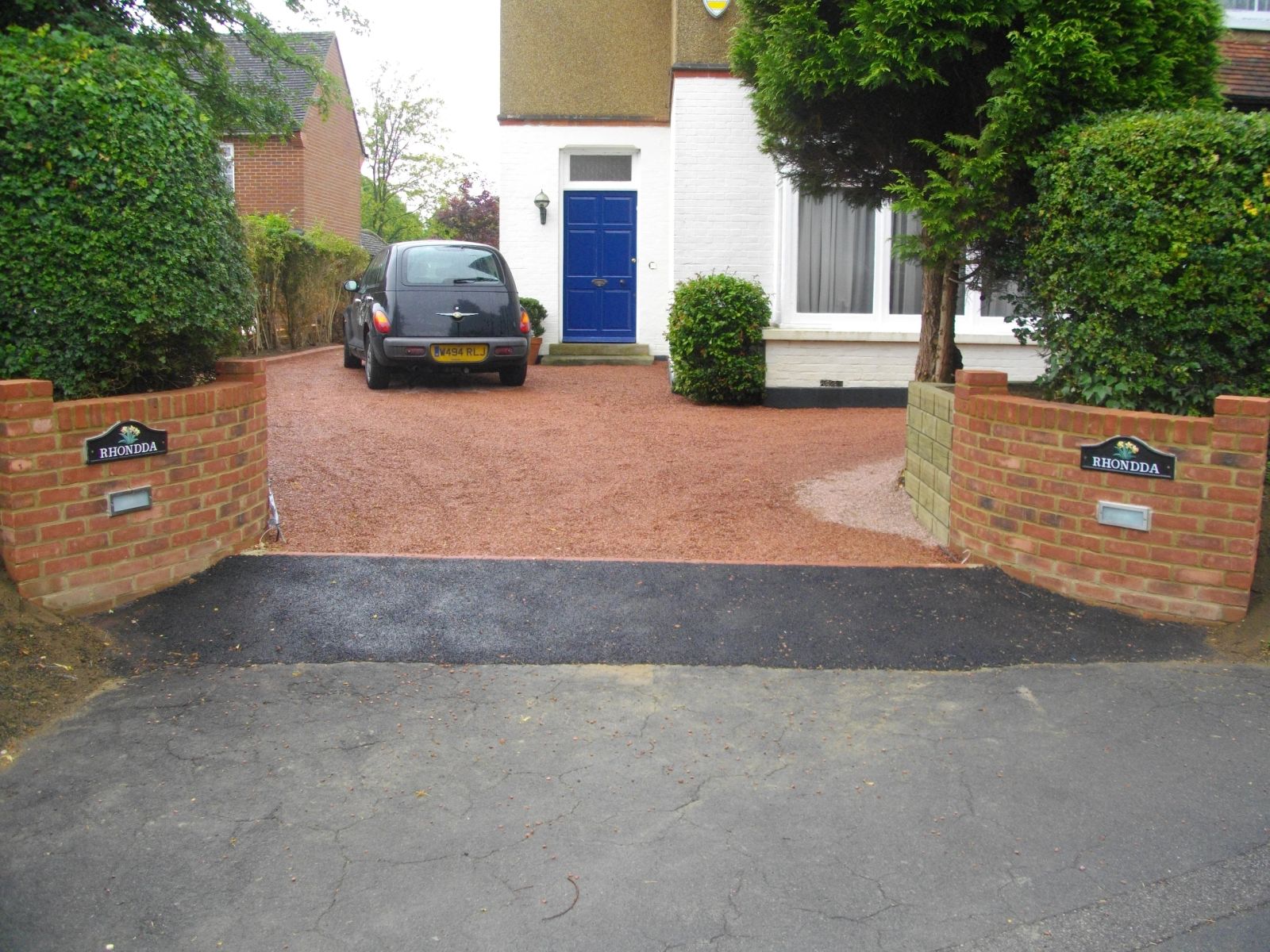
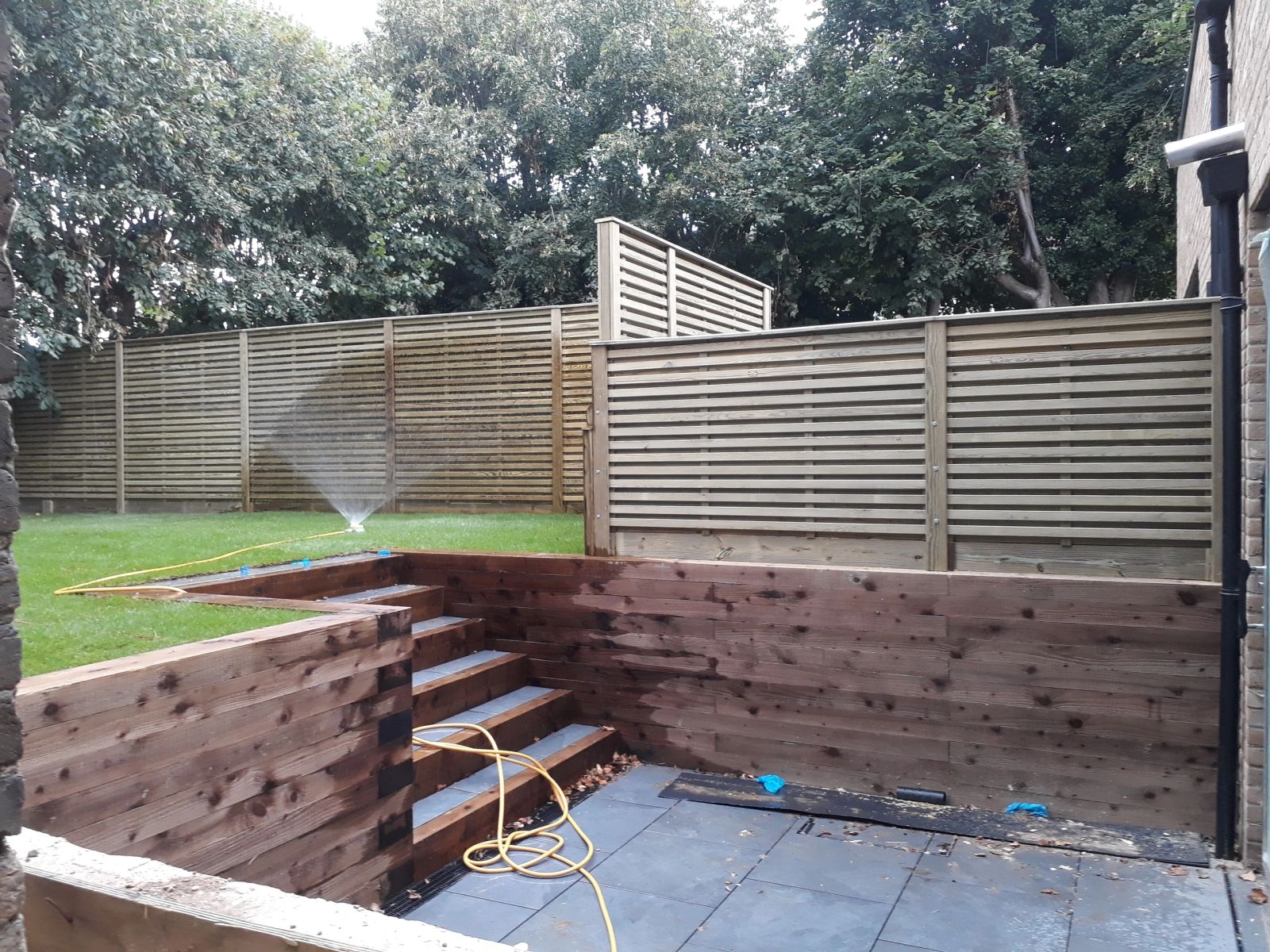
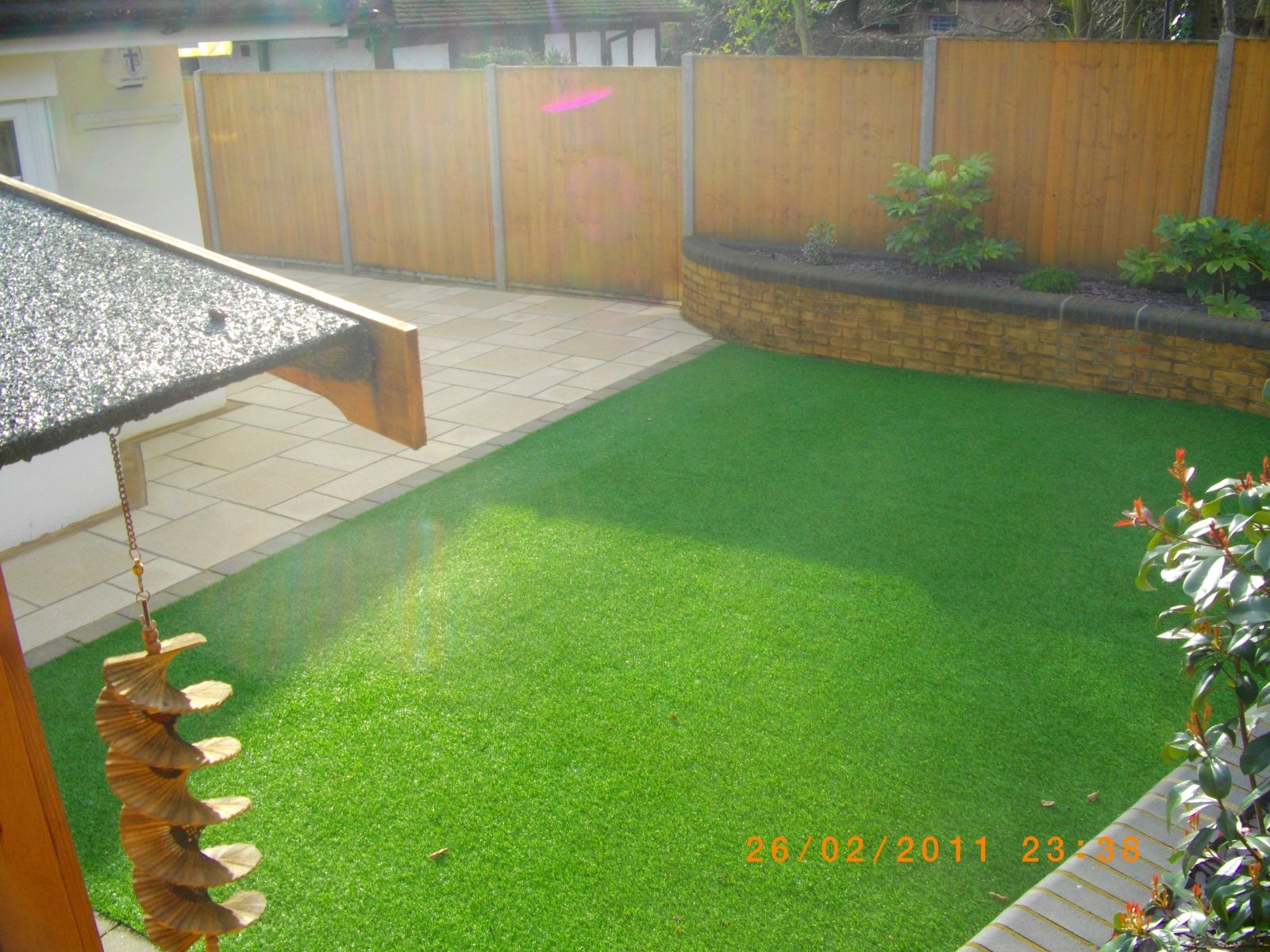
Capital Fencing project in Westmill, SG5Capital Fencing project in Westmill, SG5Capital Fencing project in Westmill, SG5
SG5

Westmill is part of our Hitchin coverage under North Hertfordshire District Council, with its own property mix and its own recurring brief.

Property & garden in Westmill

Property: 1950s and 1960s estates with consistent boundary layouts

Gardens: flat rectangular plots, manageable in a single day per garden

uniform estate ages mean replacement runs often span 4–6 gardens at once

Nearest arterial: A602, A1(M) J8. Served from Hitchin (East Coast). Nearby commercial anchors: Westmill Lawns parade.

Practical points for boundary work in Westmill

Slotted versus morticed concrete posts

Slotted concrete posts have a continuous groove cast into two or four faces so panels slide down into the slot from above, which makes them fast to erect but means every panel in a run has to come out to replace one in the middle.

Morticed concrete posts have discrete rectangular pockets for arris rail ends instead, matching closeboard or panel construction where individual boards or panels can be replaced without disturbing the rest of the run.

The choice is largely dictated by the fencing system being used — panel fencing wants slotted posts, boarded fencing wants morticed — rather than being a free preference at quote stage.

Post caps and end-grain protection

A timber post's end grain sits at the top, cut across the fibres, and that exposed grain draws in water far faster than the treated face of the post, which is why an unprotected post top is often the first place rot takes hold.

A weathered or pyramid-cut post cap sheds water off the end grain instead of letting it pool, and a cap that oversails the post slightly also keeps water from tracking down the sides at the joint.

It's a small, low-cost detail that's frequently skipped on budget jobs, and its absence is a reliable way to predict which posts in an older fence will need replacing first.

Salt-laden air and coastal-adjacent exposure

Gardens within a few miles of open coast, or on a plot regularly exposed to salt spray carried on strong onshore winds, see accelerated corrosion of standard fixings and hinges compared with an inland site.

Stainless steel or heavily galvanised fixings are worth the extra cost in these conditions, since standard zinc-plated screws and hinges can show surface rust within a single season.

Timber itself isn't usually damaged by salt exposure directly, but a finish applied over salt residue left on the surface after a storm won't bond as well as one applied to a clean, rinsed surface.

Douglas fir for structural fencing timber

Douglas fir is a stronger, stiffer softwood than typical whitewood or redwood, with a pronounced grain pattern and moderate natural durability in its heartwood, making it a common choice for structural posts and gate framing rather than boarding.

Its resin content is generally lower than pine, which reduces the risk of resin bleed showing through a painted or stained finish.

Because of its strength-to-weight ratio it's often specified for longer unsupported spans, such as wide gate frames, where a lighter section still needs to resist twisting under its own weight.

Hand-digging near suspected buried services

Once a cable avoidance tool or utility plan indicates a service is likely nearby, digging switches from auger or mechanical methods to hand tools only, working down in shallow spits rather than one deep thrust.

A spade can still shear a shallow, poorly-buried cable, so the safer tool close to a marked service is a fork or trowel used to expose it by feel and sight before any spade work resumes.

If a cable or pipe is exposed, it's left supported and undamaged in the open trench rather than backfilled over, and the post position is adjusted if the service sits exactly where the hole needs to go.

Recording an informal boundary agreement properly

Where neighbours agree a boundary line that differs slightly from, or clarifies, what the deeds show, that agreement carries far more weight if it's put in writing and signed by both parties rather than left as a verbal understanding.

A formal boundary agreement can, in some cases, be registered with HM Land Registry against both titles, which protects the arrangement for future owners of either property.

Even a simple written note with an agreed sketch, dated and signed by both neighbours, is worth far more later than relying on memory of a conversation years afterwards.
Services in Westmill

Westmill — frequently asked

Does hand-digging near suspected buried services come up much on jobs around Westmill?

Once a cable avoidance tool or utility plan indicates a service is likely nearby, digging switches from auger or mechanical methods to hand tools only, working down in shallow spits rather than one deep thrust. A spade can still shear a shallow, poorly-buried cable, so the safer tool close to a marked service is a fork or trowel used to expose it by feel and sight before any spade work resumes. If a cable or pipe is exposed, it's left supported and undamaged in the open trench rather than backfilled over, and the post position is adjusted if the service sits exactly where the hole needs to go.

How does "salt-laden air and coastal-adjacent exposure" affect fencing or decking work in Westmill?

Stainless steel or heavily galvanised fixings are worth the extra cost in these conditions, since standard zinc-plated screws and hinges can show surface rust within a single season. Timber itself isn't usually damaged by salt exposure directly, but a finish applied over salt residue left on the surface after a storm won't bond as well as one applied to a clean, rinsed surface. Gardens within a few miles of open coast, or on a plot regularly exposed to salt spray carried on strong onshore winds, see accelerated corrosion of standard fixings and hinges compared with an inland site.

Is recording an informal boundary agreement properly something you plan for in Westmill?

Even a simple written note with an agreed sketch, dated and signed by both neighbours, is worth far more later than relying on memory of a conversation years afterwards. Where neighbours agree a boundary line that differs slightly from, or clarifies, what the deeds show, that agreement carries far more weight if it's put in writing and signed by both parties rather than left as a verbal understanding. A formal boundary agreement can, in some cases, be registered with HM Land Registry against both titles, which protects the arrangement for future owners of either property.
Douglas fir for structural fencing timber — what does that mean for a job in Westmill?

Douglas fir is a stronger, stiffer softwood than typical whitewood or redwood, with a pronounced grain pattern and moderate natural durability in its heartwood, making it a common choice for structural posts and gate framing rather than boarding. Its resin content is generally lower than pine, which reduces the risk of resin bleed showing through a painted or stained finish. Because of its strength-to-weight ratio it's often specified for longer unsupported spans, such as wide gate frames, where a lighter section still needs to resist twisting under its own weight.

What's the most common issue you plan around in Westmill?

Uniform estate ages mean replacement runs often span 4–6 gardens at once.

Is Westmill within your standard travel area?

Yes — Westmill is served from Hitchin (East Coast), off A602, and is inside our regular working patch.

A602 runs through this pocket, with Hitchin (East Coast) nearby. Salt-laden air and coastal-adjacent exposure: Gardens within a few miles of open coast, or on a plot regularly exposed to salt spray carried on strong onshore winds, see accelerated corrosion of standard fixings and hinges compared with an inland site. Stainless steel or heavily galvanised fixings are worth the extra cost in these conditions, since standard zinc-plated screws and hinges can show surface rust within a single season. Douglas fir for structural fencing timber: Douglas fir is a stronger, stiffer softwood than typical whitewood or redwood, with a pronounced grain pattern and moderate natural durability in its heartwood, making it a common choice for structural posts and gate framing rather than boarding.

Get In Touch

Get My Free Quote — 24h Response

No callout fee · Free site visit · Friendly local team covering London & Hertfordshire.

Request a Free Quote

We'll get back to you within 24 hours.

Free Site Visit No Callout Fee
Call WhatsAppQuote