Comparing acoustic build methods
A standard lap-panel fence, built from thin overlapping boards with a gap at every joint, does very little acoustically even at height, while a tongue-and-groove or shiplap double-skin build with sealed joints performs noticeably better even at a shorter run.
Composite acoustic panels exist but are less common on domestic boundaries than a timber-and-mineral-wool build, largely on cost grounds for the run lengths involved.
Maintenance that prevents the next repair
Most repairs we're called out for could have been caught earlier with a simple seasonal check — a post that's started to lean, a gravel board showing early rot, or a hinge that's begun to sag are all cheaper to address before they fail outright.
We'll flag anything else on the boundary that looks like it's heading the same way while we're on site for an unrelated repair.
Moss and damp on shaded boundaries
A boundary shaded for most of the day by a building, high hedge or overhanging trees dries far more slowly after rain than an open, sunlit run, and that prolonged dampness is what allows moss and algae to establish on timber.
Beyond the cosmetic green staining, sustained damp accelerates fungal decay in untreated or lightly treated softwood, shortening its service life compared with an identical fence in a sunnier position.
Species and treatment choice matter more on these boundaries — a naturally durable timber or a heavier preservative treatment earns its cost back in reduced maintenance on a permanently shaded run.
Timber grades and treatment
Pressure-treated softwood is graded by the treatment's intended service life — timber rated for ground contact (Use Class 4) should always be used for posts, while a lighter Use Class 3 treatment is normally sufficient for panels and boards that don't touch soil.
Tanalised or vacuum-pressure-treated stock takes preservative deeper into the timber than a surface-dipped batch, which matters most at cut ends, where the untreated core is exposed and should always be re-treated on site.
Hardwoods like oak or iroko don't need chemical preservative to the same degree but cost more upfront and behave differently as they season, so the choice is really about budget and maintenance appetite rather than one being simply 'better'.
Height and visibility rules for gates
A driveway or front gate is subject to the same permitted development height limits as a boundary fence, and a gate near a junction or a shared driveway has additional visibility requirements to keep sightlines clear for road users.
We check these before recommending a taller or more solid replacement gate, not just when repairing an existing one.
Permitted development height limits
Under the General Permitted Development Order, a fence, wall or gate can normally go up to 1m without planning permission where it fronts a highway used by vehicles, and up to 2m elsewhere on the plot.
That 2m figure is measured from the natural ground level, not from the base of a retaining structure, which catches people out on sloping plots where the fence ends up effectively taller on the low side.
Corner plots, listed buildings and land inside a conservation area all tighten these limits, so it's worth checking the local authority's own guidance before ordering materials rather than after.
Delivery vehicle tail-lift noise
A tail-lift lowering or raising on a delivery vehicle produces a distinct hydraulic whine followed by a metallic clunk as it locks, a short but recognisable noise event separate from the vehicle's engine or reversing alarm.
Because tail-lift use tends to happen at a fixed unloading point, a barrier positioned to break sightline to that specific spot is often more useful than a barrier along the vehicle's whole approach route.
DBS-relevant site rules on sensitive sites
Sites such as schools, nurseries and some healthcare premises commonly require anyone attending, including contractors, to hold or provide evidence of an enhanced DBS check, or to be directly supervised at all times if they don't.
This is a site management requirement set by the school or institution rather than a universal legal rule for tradespeople in general, and requirements vary between individual sites and local authority policies.
Where a job is known in advance to be on this type of site, confirming the DBS or supervision requirement before booking the work avoids a contractor turning up unable to proceed on the day.
Child safety at gaps and low openings
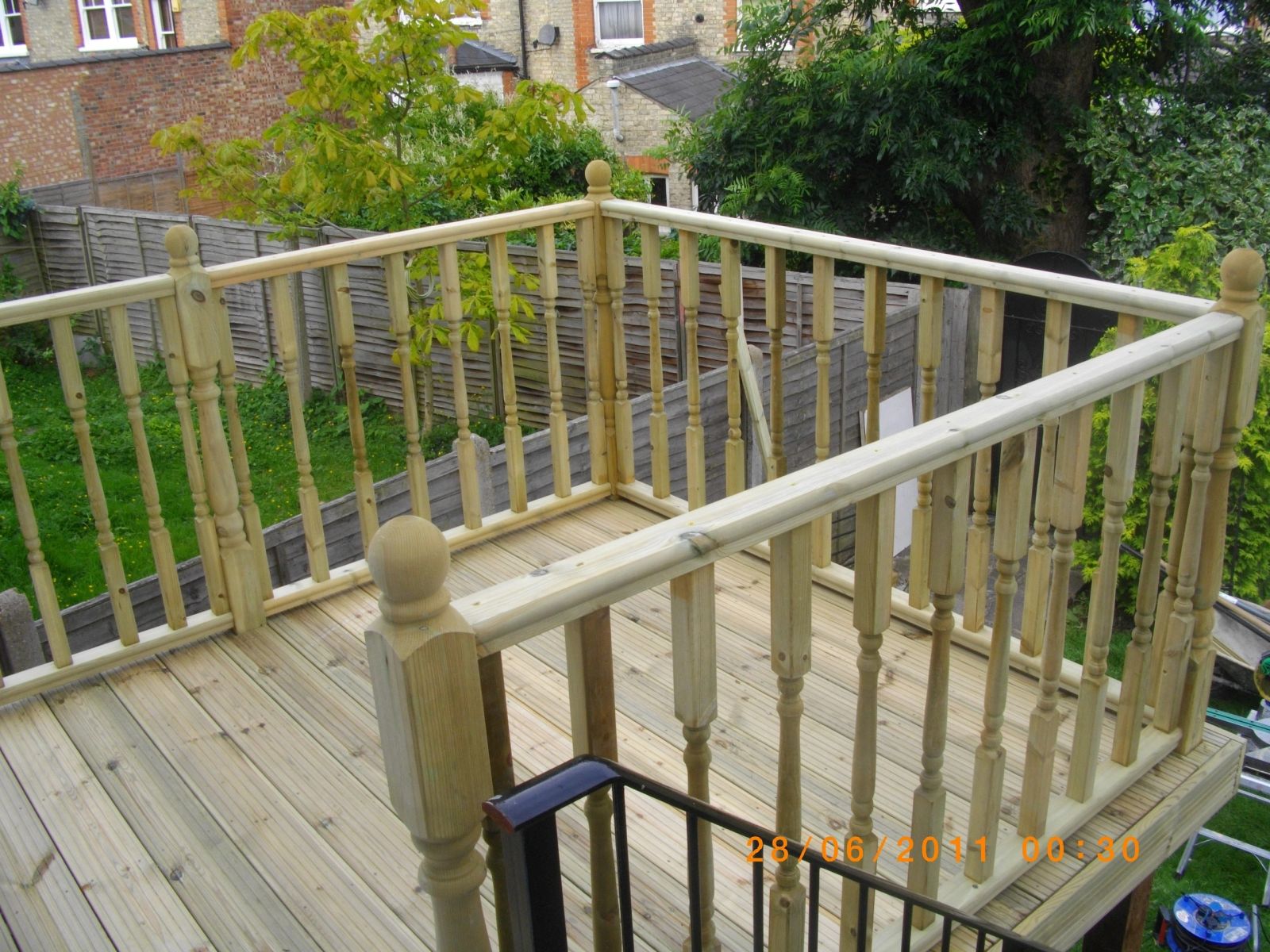
Gaps between vertical balusters or slatted infill wide enough to trap a small child's head are a recognised hazard, and the common guidance used for balustrades and railings — keeping gaps under 100mm — is a sensible benchmark for garden fencing near play areas too.
Horizontal rails on an otherwise vertical fence design can also create an unintentional climbing frame for a young child trying to get over a boundary, which is worth considering near a pool, driveway or road-facing frontage.
These details matter most on fences separating a garden from open water, a road, or a shared driveway, where the consequence of a small gap or easy foothold is more serious than on an internal garden division.
Repair-versus-replace where a run mixes several different panel types
A boundary added to or repaired piecemeal over many years sometimes ends up with two or three different panel styles along its length, which makes a small further repair harder to match convincingly to any one of them.
In that situation it's worth discussing with the client whether continuing to patch in whichever style is easiest to source is acceptable, or whether it's the point to standardise the whole run to a single style during a larger repair.
Repairing a fence smothered by a neighbour's overgrown vegetation
Ivy, brambles or an overgrown hedge growing through and over a fence from next door often has to be cut back before the extent of the damage underneath can even be assessed properly, and that cutting back needs the neighbour's agreement if the growth originates on their side.
Vegetation left growing through a repaired section will usually cause the same damage again, so flagging this to the client as an ongoing issue rather than just repairing around it is worth doing.