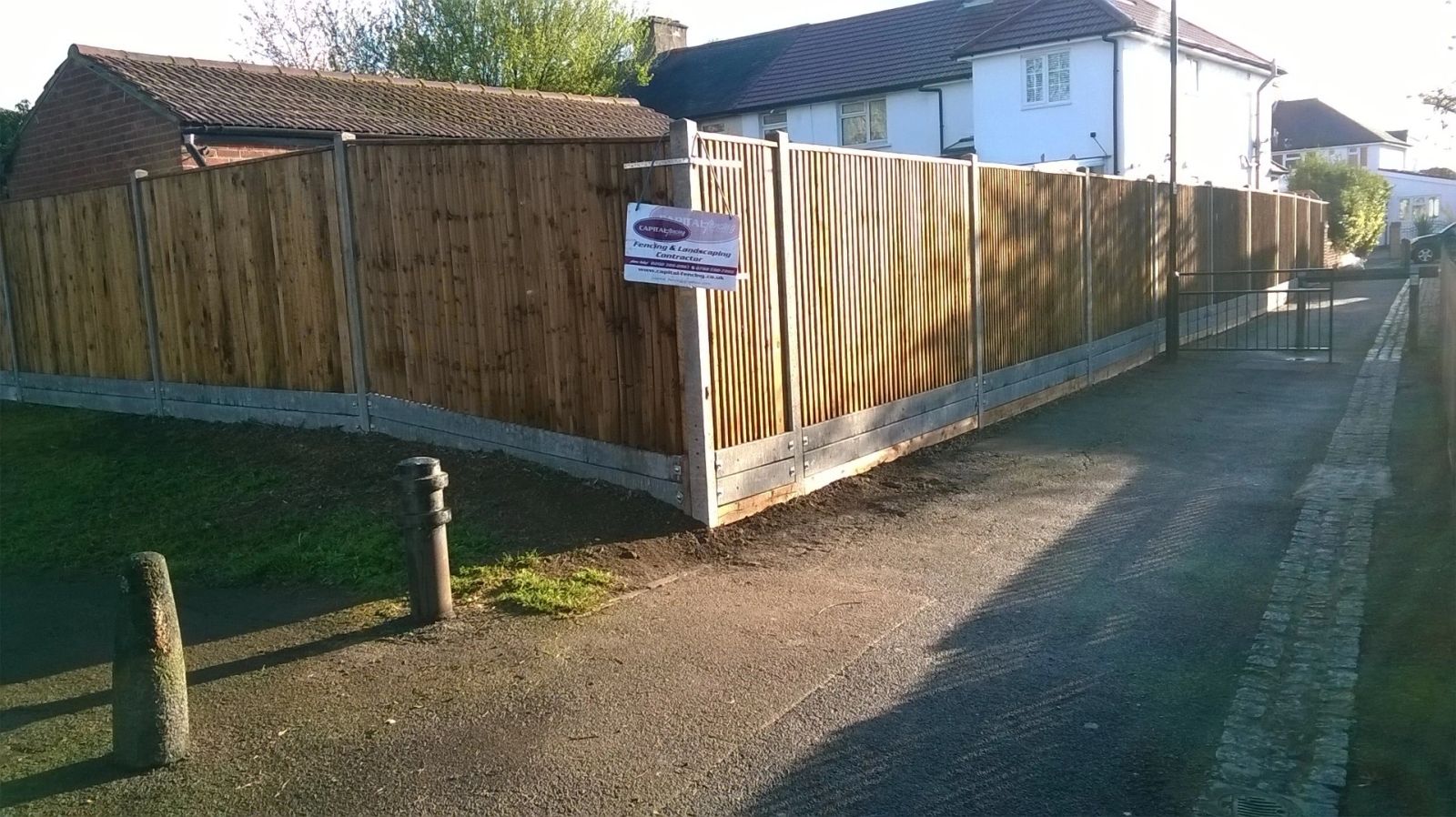
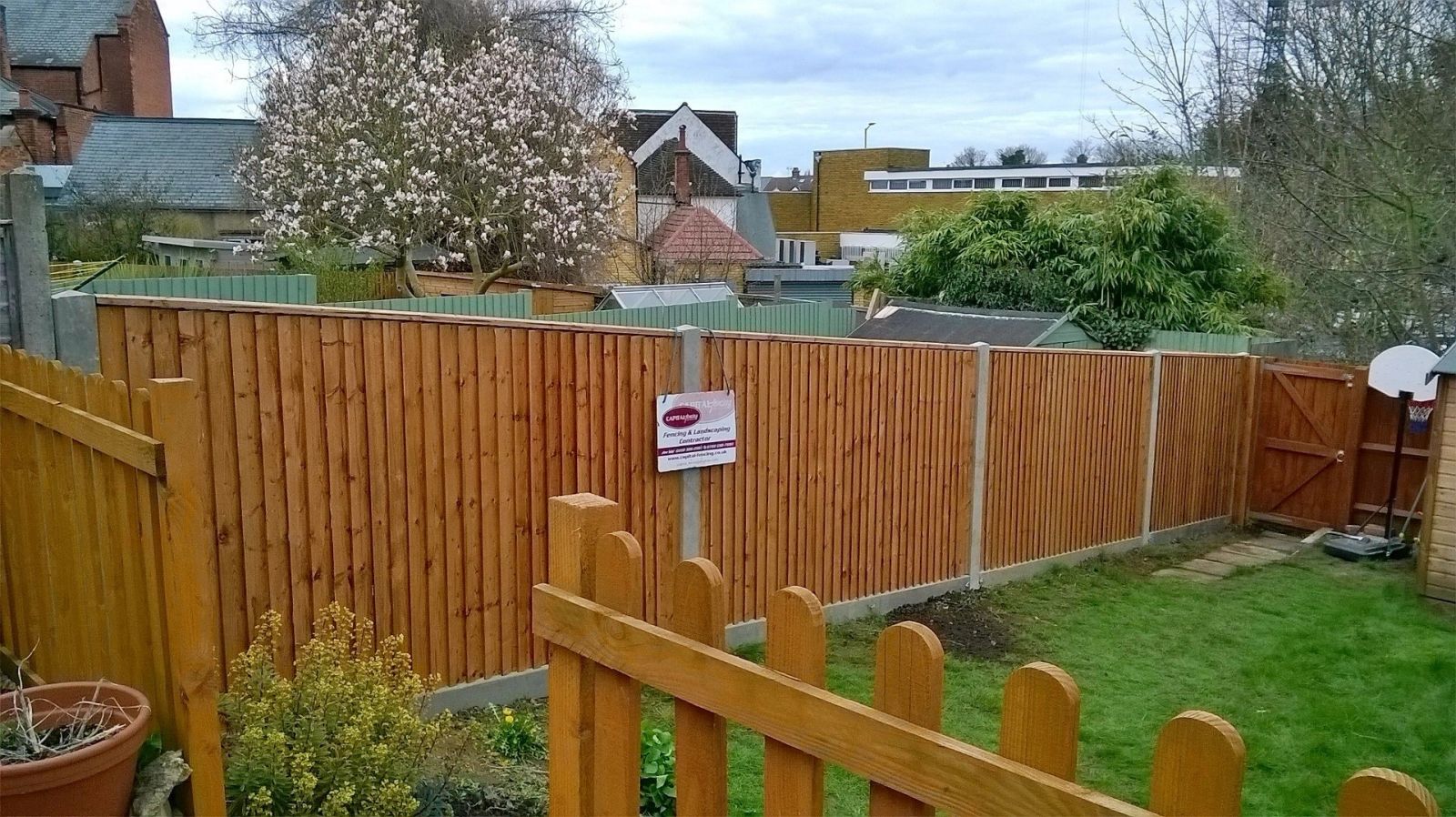
Boundary fencing near a service riser or meter cupboard
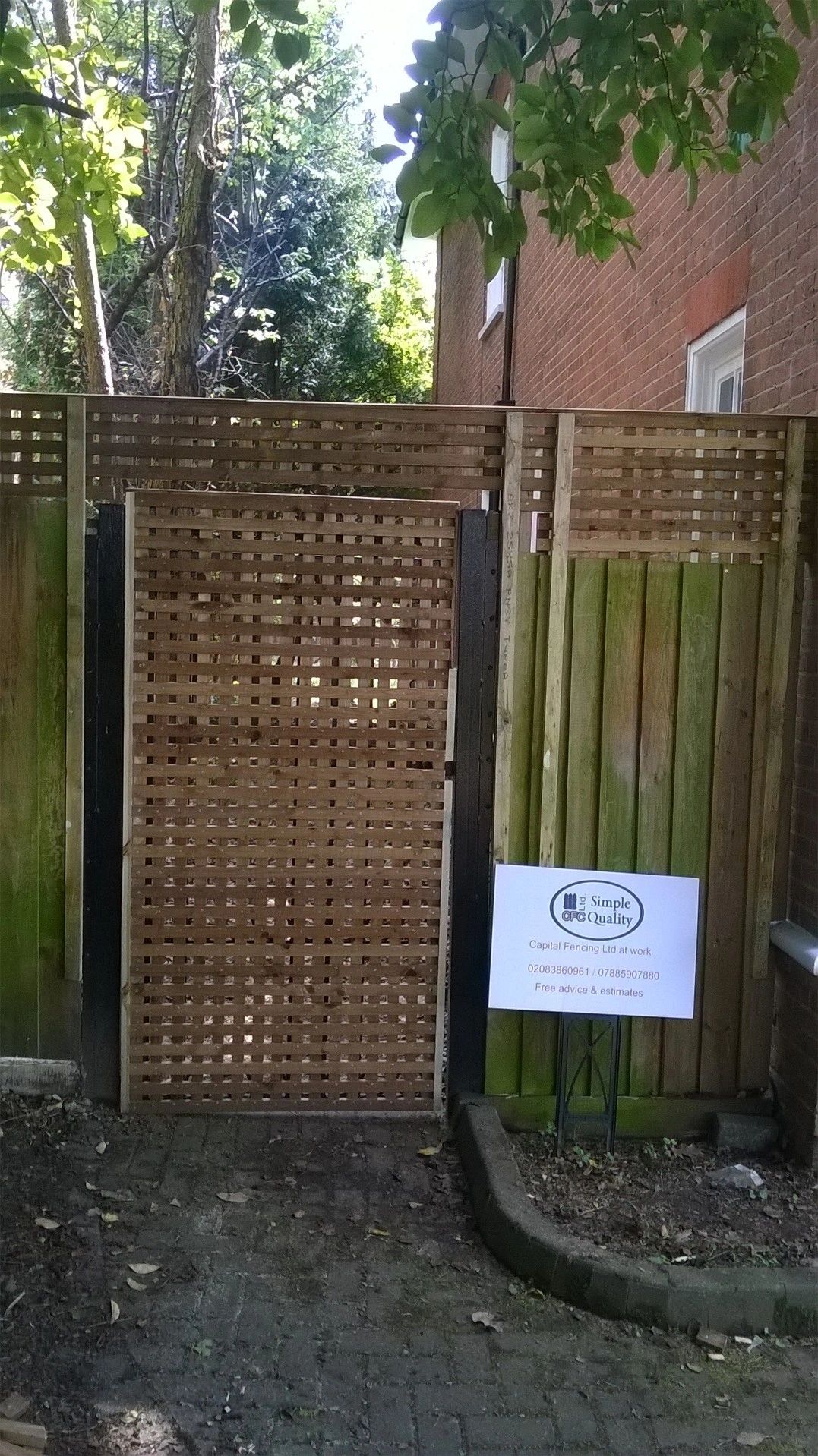
A boundary fence positioned close to a gas, electric or water meter cupboard needs to leave clear access for the utility to read or maintain the meter without needing a key to the fence itself, which sometimes means a lockable inspection gate or a section that opens independently of the main line.
Utility providers generally have a minimum clearance requirement in front of a meter cupboard door, and a fence encroaching on that clearance can be flagged at inspection even if the rest of the boundary is compliant.
Timber grading and treatment for a security spec
Where timber is used on a security run, a denser, higher-grade section holds up to sustained pressure at gate junctions and pedestrian pinch points better than a standard fence-grade board, and pressure treatment needs to penetrate fully rather than sit on the surface.
We spec the grade to the load the section will actually see, not a single grade across the whole job.
Composite colour fade realism
Composite boards do fade slightly in their first year or two of UV exposure before settling to a stable colour, which is a normal part of the material rather than a fault, but it means a newly added run will look a shade brighter than an older adjoining one for a while.
Darker composite colours fade proportionally more than lighter ones and also run hotter in direct sun, which can matter for boards used on south-facing screening close to seating areas.
Manufacturers typically quote colour consistency rather than a fixed fade-free guarantee, so matching an extension to an existing composite run several years old is unlikely to be an exact colour match regardless of the batch ordered.
Cranked arm angle for wire toppings
A cranked topping arm angled outward at roughly 45 degrees forces a climber to overcome gravity as well as grip when reaching over the top, which is significantly harder to defeat than a vertical extension of the same height.
Angling the arm inward is sometimes specified instead where the security concern is people leaving a site rather than entering it, such as around a compound holding valuable scrap awaiting collection.
Safety standards for automated gates
Automated gates fall under machinery safety regulations, which means a force-limiting device or safety edge to stop the gate on contact with an obstruction, and photocells or other sensors to detect someone in the gate's path, aren't optional extras.
A risk assessment covering the specific installation — proximity to a public footpath, likely pedestrian use, manual override in a power cut — should be part of any automation job, not an afterthought once the gate's already built.
Annual servicing of the motor, safety sensors and mechanical stops keeps an automated gate compliant and catches wear before it becomes a safety issue rather than just an inconvenience.
Aligning capping rail over a stepped run
Capping rail fitted along the top of a level fence run is a straightforward continuous fix, but on a stepped run each panel sits at its own level, so the capping has to be cut and joined at each step rather than run through in one length.
A clean joint at the step usually means mitring or scarfing the capping ends rather than butting them square, since a square joint leaves an open gap where the two levels meet.
Where the steps are shallow, some fitters run the capping level in short horizontal sections with a visible small drop at each post, which is faster to fit but reads as more obviously stepped than a mitred joint.
Galvanised versus painted metal fixings in exposed conditions
Hot-dip galvanising bonds a genuine zinc coating into the surface of steel and continues protecting even where the surface is scratched, since the surrounding zinc sacrificially corrodes before the underlying steel does.
A painted finish over mild steel only protects where the paint film remains intact, and once scratched or chipped the exposed steel corrodes at that point with nothing to slow it down.
For fixings, brackets and gate hardware in a genuinely exposed or coastal-influenced location, galvanised (or better, galvanised-and-painted) components noticeably outlast a plain painted finish.
Touching up galvanising after on-site cutting
Cutting a galvanised post or rail to length on site removes the zinc coating from the cut edge, leaving bare steel exposed exactly where water is most likely to sit if the cut faces upward.
A cold galvanising paint or zinc-rich primer applied to the cut edge immediately after cutting restores meaningful protection, and skipping this step on a security run is a common reason a fence corrodes first at bay joints rather than along the main rail length.
Who owns which boundary
Boundary ownership in England isn't settled by which side the posts face — it's set by the title deeds, and where the deeds are silent the presumption (a T-mark on old Ordnance Survey-derived plans, or the 'ad medium filum' rule for some hedges) only gets you so far.
Before any post goes in we ask to see the deed plan, or at minimum agree the line and height with the neighbour in writing, because replacing a fence in the wrong place is a genuinely common and avoidable dispute.
Where ownership is contested we'll fit on the client's own side of the line rather than guess, even if that means a slightly narrower run.