Concealed versus visible fixings on heavier gates
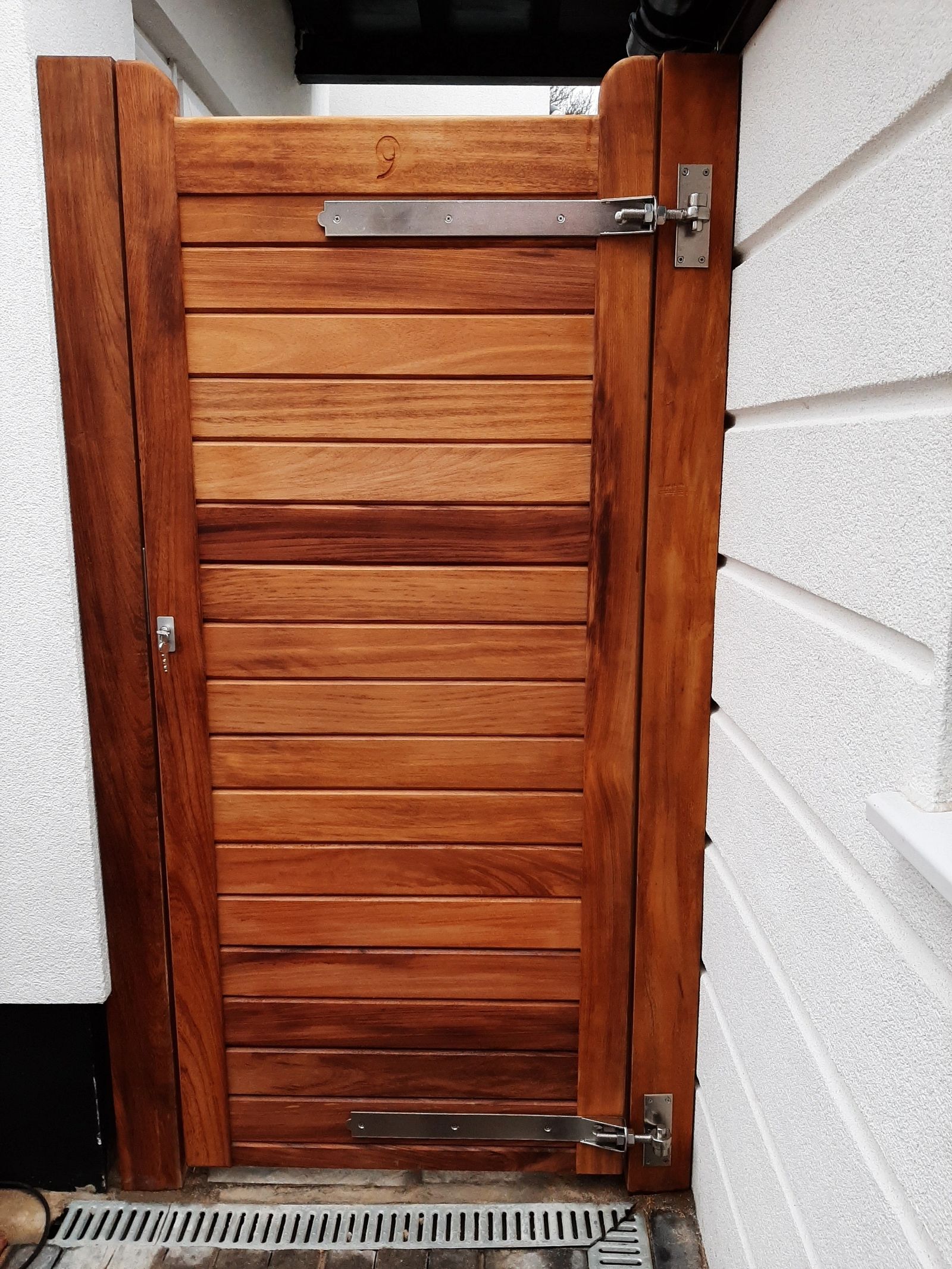
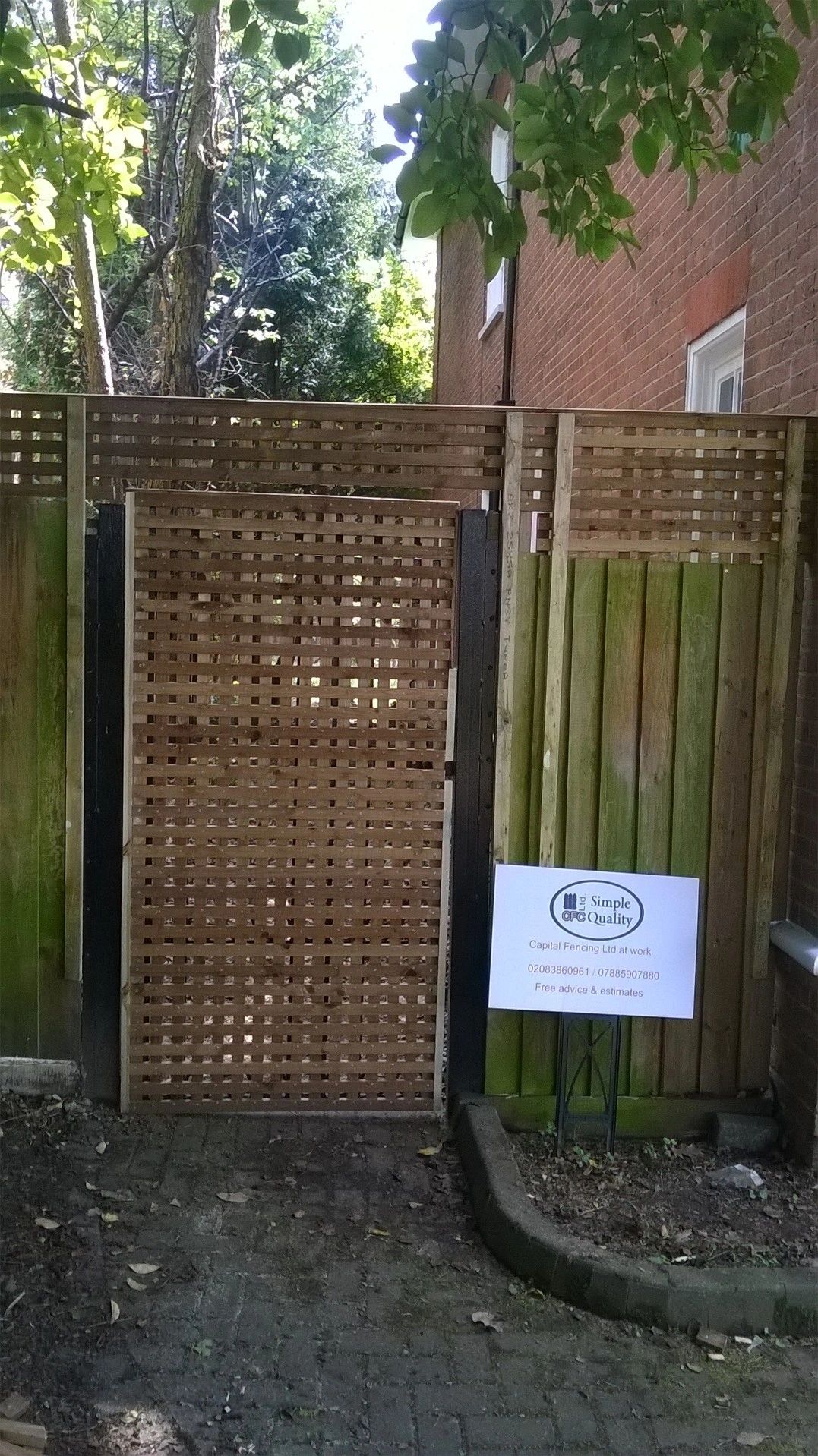
A heavier timber or metal gate can be hung with either visible surface-mounted hinges or concealed fixings recessed into the frame, and the concealed option gives a cleaner appearance but is harder to inspect and adjust once installed.
Choosing between the two is partly aesthetic and partly practical, since a gate that's likely to need periodic adjustment is often better served by accessible, visible hardware.
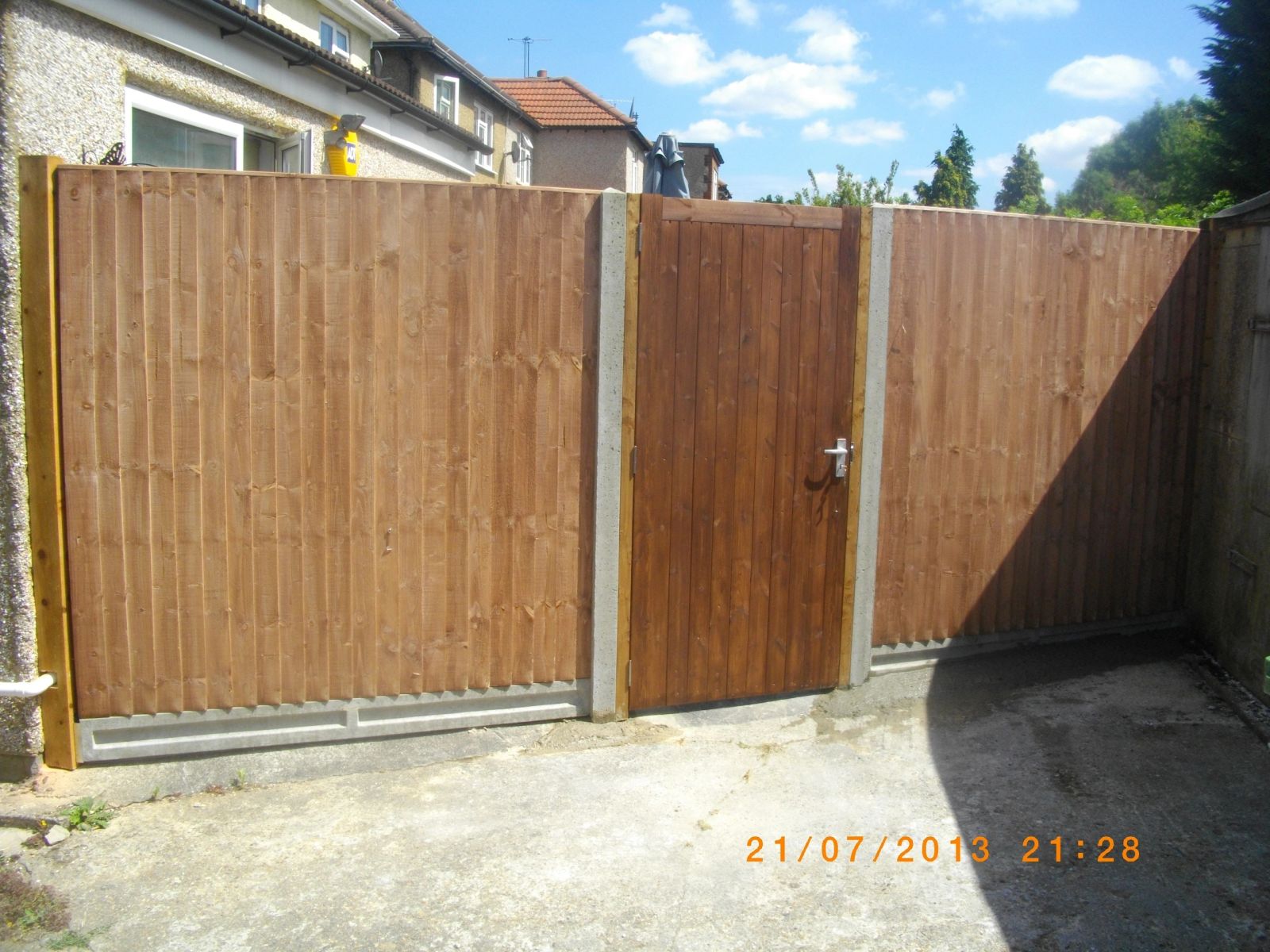
Higher wear on gates serving a shared driveway
A gate serving a driveway shared by more than one household sees substantially more open-close cycles than a private garden gate, which accelerates hinge and latch wear well ahead of the general maintenance interval expected for a single-household gate.
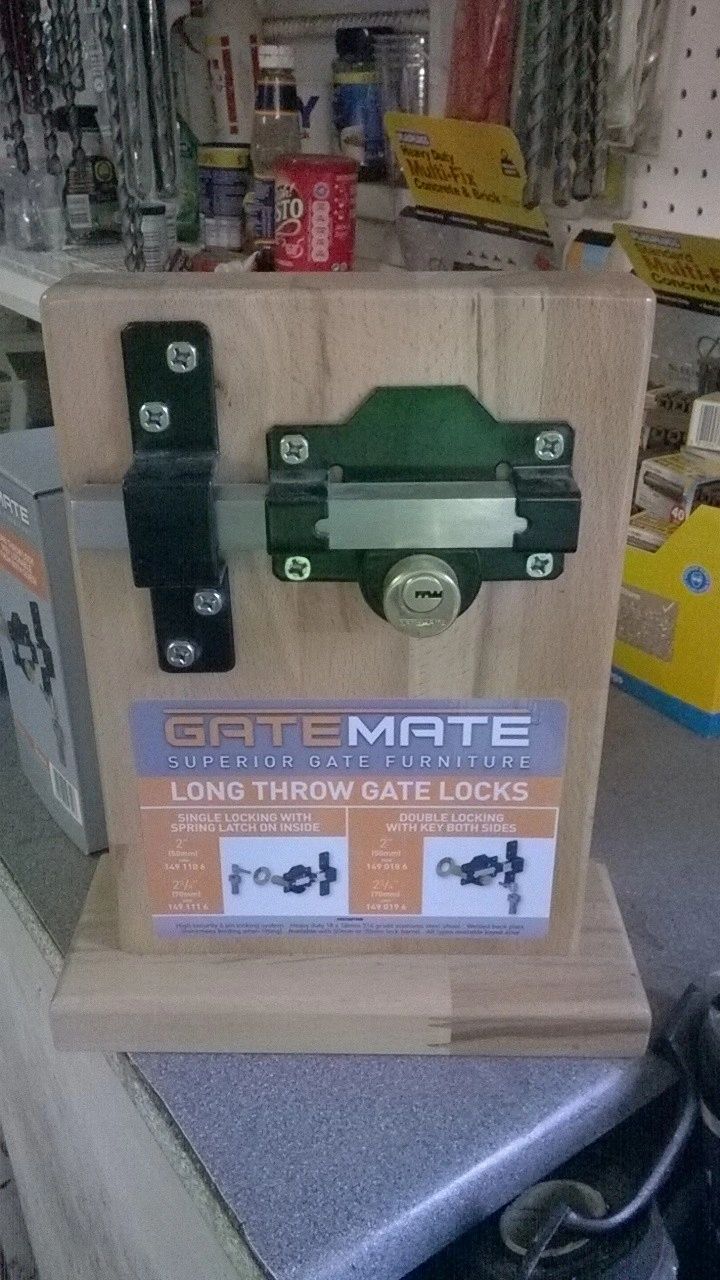
Specifying heavier-duty hinges and a latch mechanism rated for frequent use, rather than standard domestic hardware, is worth the modest extra cost on a shared-access gate given how much more it's actually used.
It's also worth agreeing maintenance responsibility for a shared gate in writing between households, since a gate serving multiple parties doesn't have the same single clear owner a private gate does.
Concreting a hanging post deeper than the run
Because the hanging post carries more leverage than a standard line post, it's often set deeper into the ground and into a larger concrete base than the rest of the boundary, even where the fence posts either side are set to a standard depth.
Skipping this extra depth on the hanging post specifically is a common reason a gate post leans within a few years while the rest of the run stays sound.
Photographic record as part of a boundary survey
A dated photographic record of the existing boundary condition, taken before work starts, protects both parties if a dispute later arises over what state a shared fence or wall was in beforehand.
This is particularly useful on a party boundary or where neighbouring property could be affected by access during the works, and costs nothing beyond the time to take and keep the photos.
Corner plots and unusual exposure
A corner plot often loses the shelter of a neighbouring garden on one side, leaving a boundary that faces open street or open ground the way an interior garden fence never does.
That side of the plot is worth treating like a rural exposed boundary for post spacing and panel choice even though the rest of the garden is a normal suburban size.
It is also usually the run most visible to passers-by, so the practical answer is often a slightly heavier specification rather than a cheaper standard one to avoid repeat failures on the most conspicuous boundary.
Lifetime comparison of hedging and fencing as a boundary
A well-established hedge can outlast several generations of timber fencing with no post replacement or re-treatment cycle, but it needs regular cutting to stay within bounds and takes several years to reach an effective screening height from new planting.
A fence gives an immediate, defined boundary and predictable height but carries an ongoing maintenance and eventual replacement cost that a mature hedge doesn't.
Many gardens end up with a mixed solution — a fence for the immediate boundary definition with hedging planted alongside it to soften the appearance and eventually take over some of the screening role.
Internal caged units within a self-storage facility
Beyond the site's outer perimeter fencing, many self-storage facilities also fit individual mesh cages or partition walls between units, giving each customer's space its own lockable boundary independent of the main building's access control.
Mesh cage partitions are usually specified with a smaller aperture than the outer perimeter mesh, since the concern at that internal scale is preventing reach-through between adjoining units rather than resisting an external climb-over attempt.
Made ground and buried rubble
Plots built on old industrial land, demolished outbuildings or infilled yards often have a layer of brick, concrete or hardcore sitting a foot or two down rather than natural subsoil.
An auger that hits rubble at 300-400mm usually means hand-digging or breaking out that layer rather than fighting it, because a post set on top of loose fill will rock within a year regardless of how much concrete goes round it.
It's worth budgeting extra time for this on any plot with a known history of redevelopment, rather than assuming a standard dig will go to plan.
Source directivity and noise projection
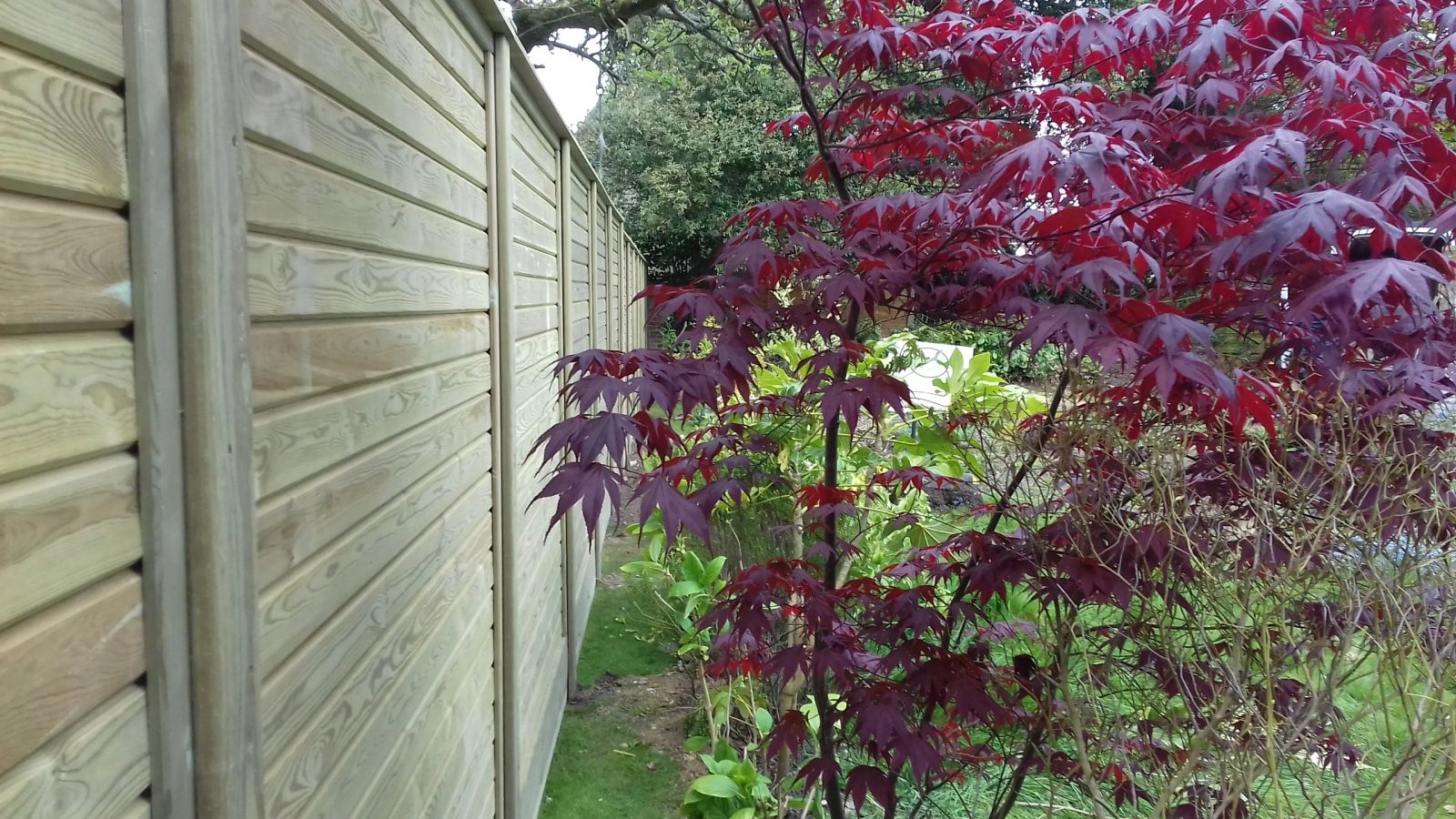
Many noise sources aren't equally loud in every direction — an exhaust projects mainly rearward, an extract fan mainly out of its outlet face, a loudspeaker mainly forward — so a source's directivity affects which boundaries actually need treatment.
Identifying the direction a source projects its loudest noise, rather than treating every boundary around it equally, allows effort to be focused on the path that matters most.
Dog day-care and kennels
Commercial dog day-care and kennel boundaries need to be genuinely dig-proof and jump-proof rather than just visually enclosing, which usually means a below-ground kick board or buried mesh apron along the base as well as adequate fence height.
Licensing under the Animal Welfare (Licensing of Activities Involving Animals) Regulations sets minimum boundary standards for kennels and day-care premises, and an inspector will check fence condition as part of renewal.
Double-gated airlock entries, where an inner and outer gate can't be open at the same time, are a common feature at the perimeter to stop dogs escaping through a single opened gate.
Conservation area material rules
Inside a conservation area, the council can restrict fence height, colour and material even within otherwise-permitted development limits, usually through an Article 4 direction that removes some of the usual PD rights.
The common ask is close-boarded or picket timber in a natural or traditionally painted finish rather than modern composite or bright stains, particularly on frontages visible from the street.
For a listed building itself, or land within its curtilage, listed building consent can apply even to a garden fence, so it's worth a call to the conservation officer before committing to a spec.