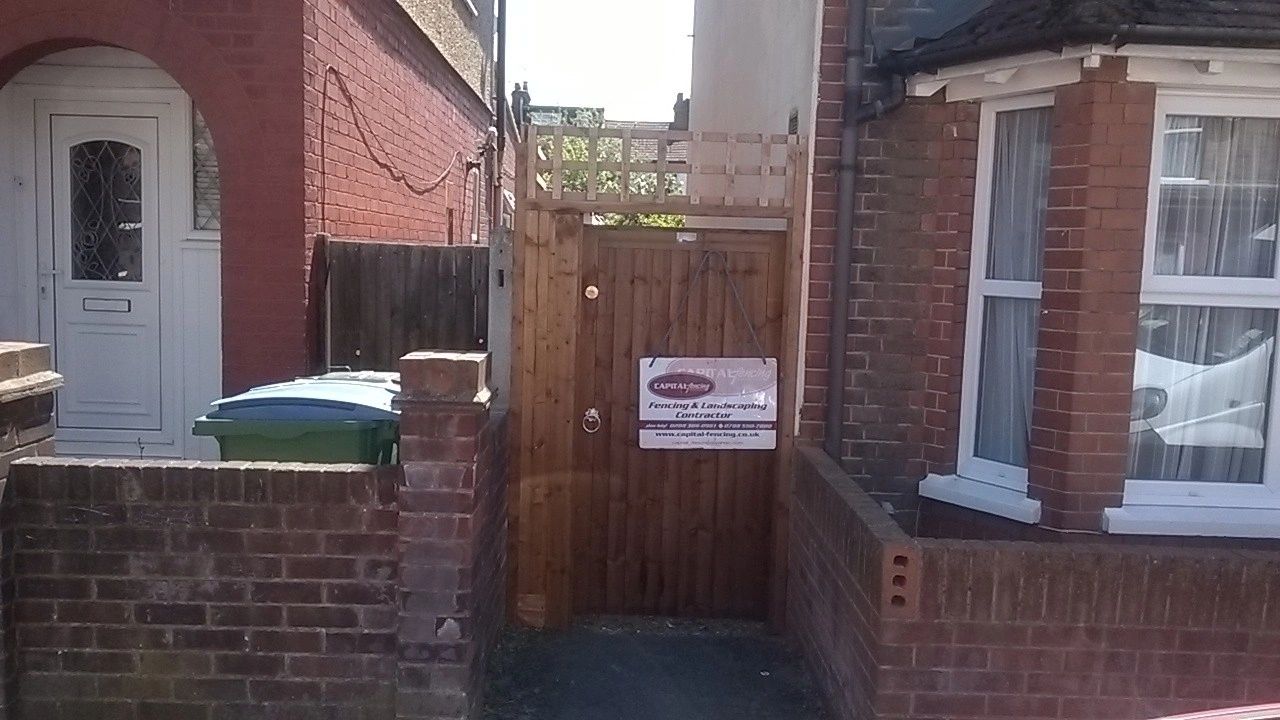
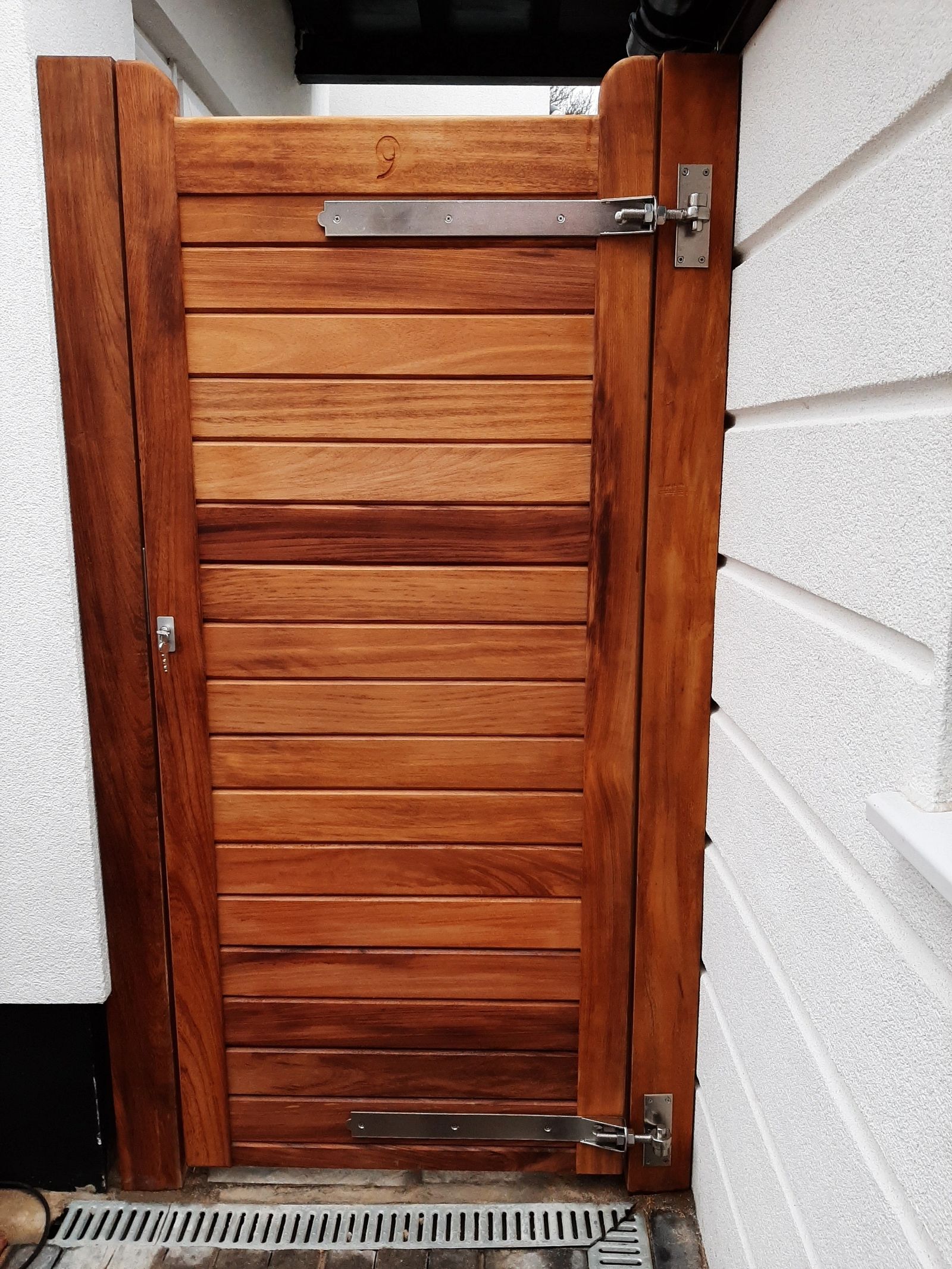
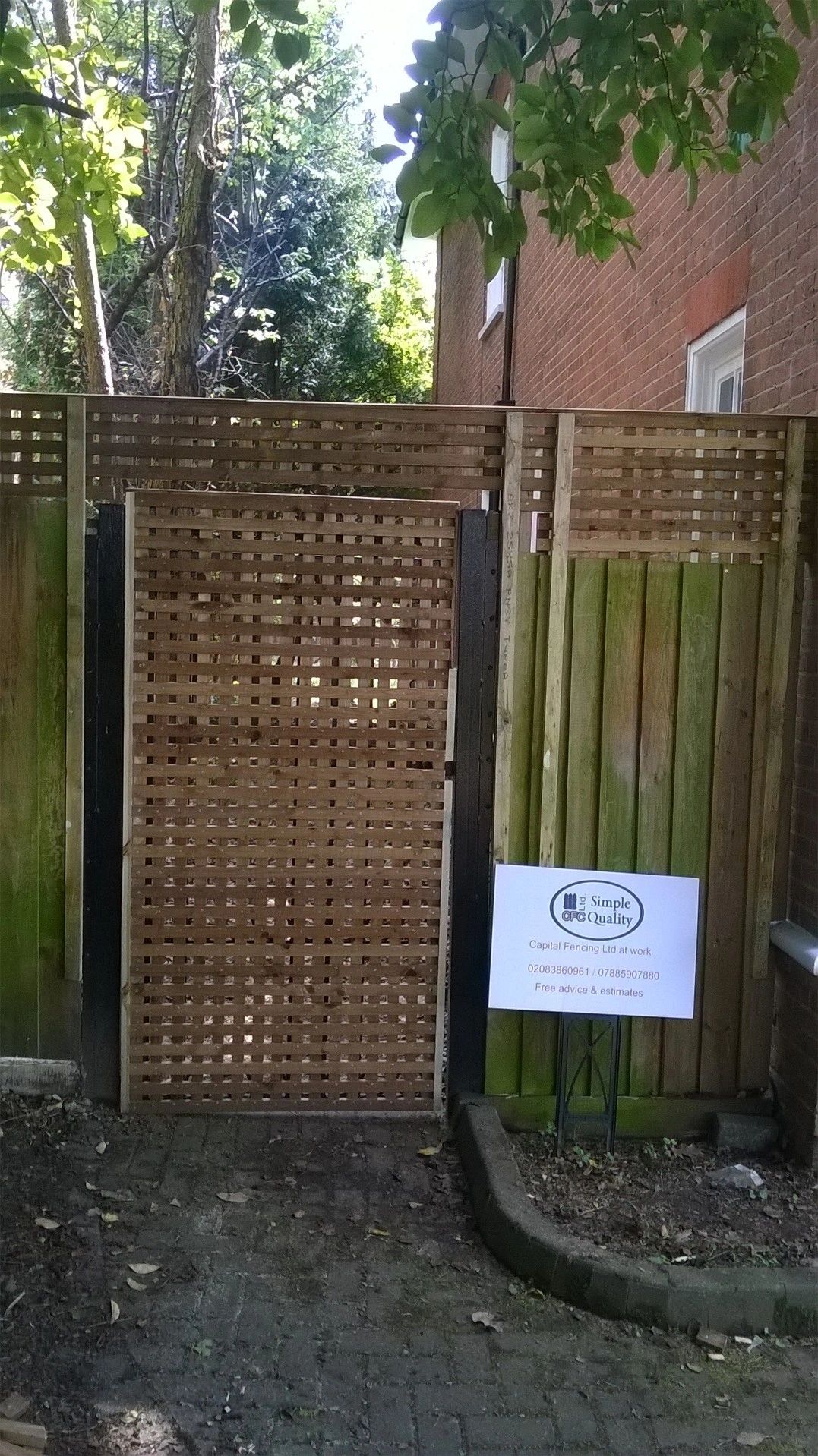
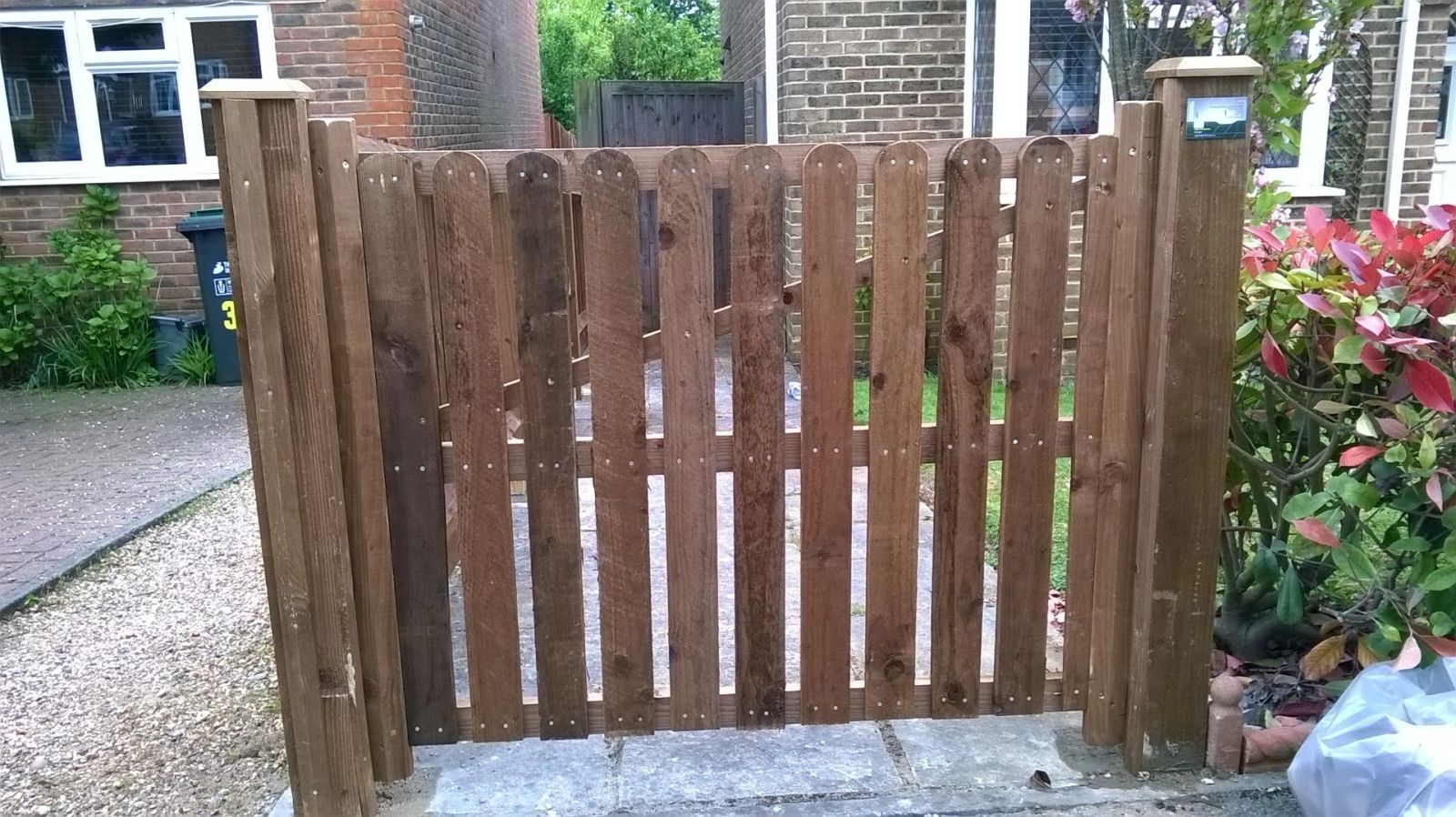
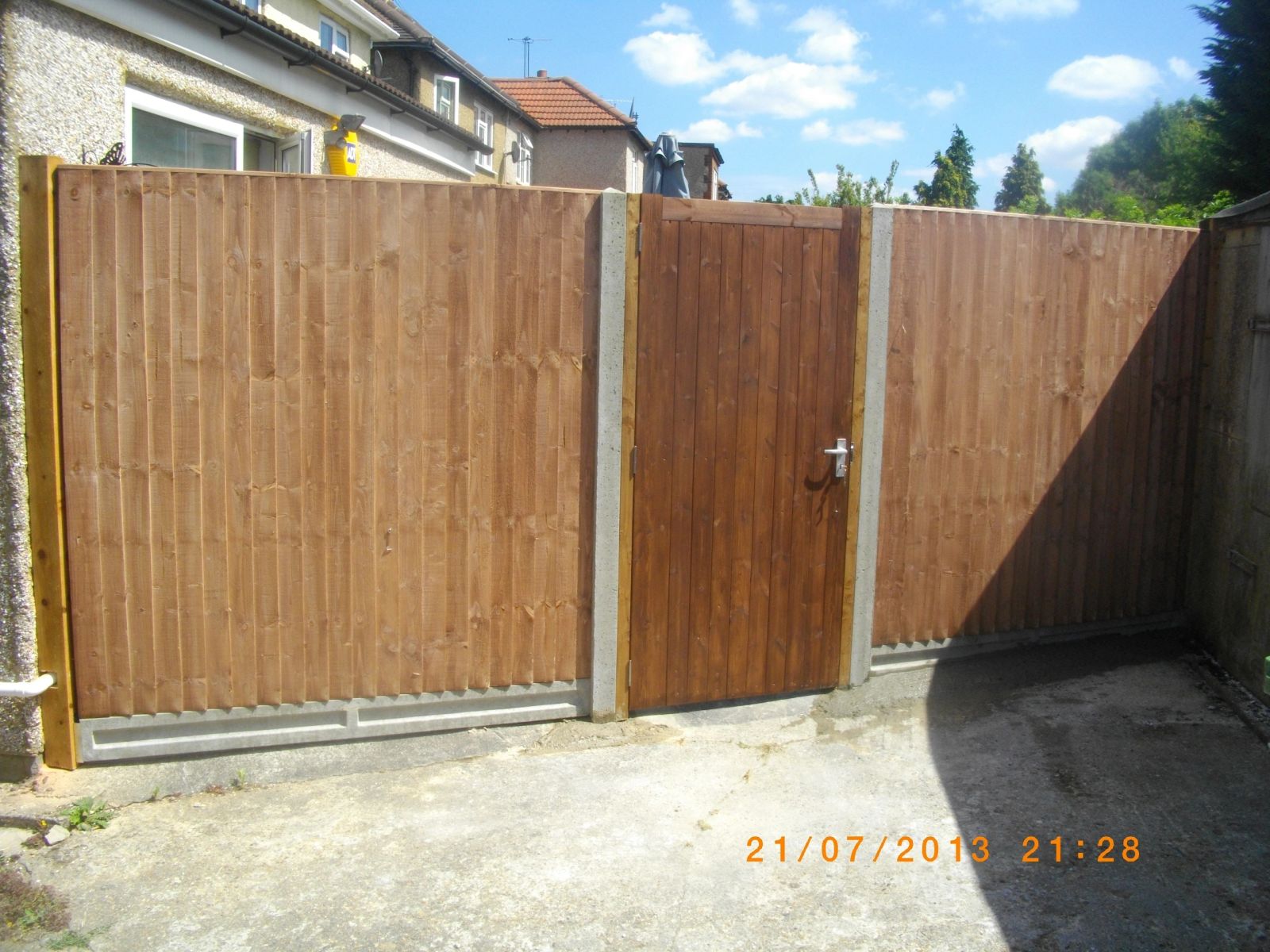
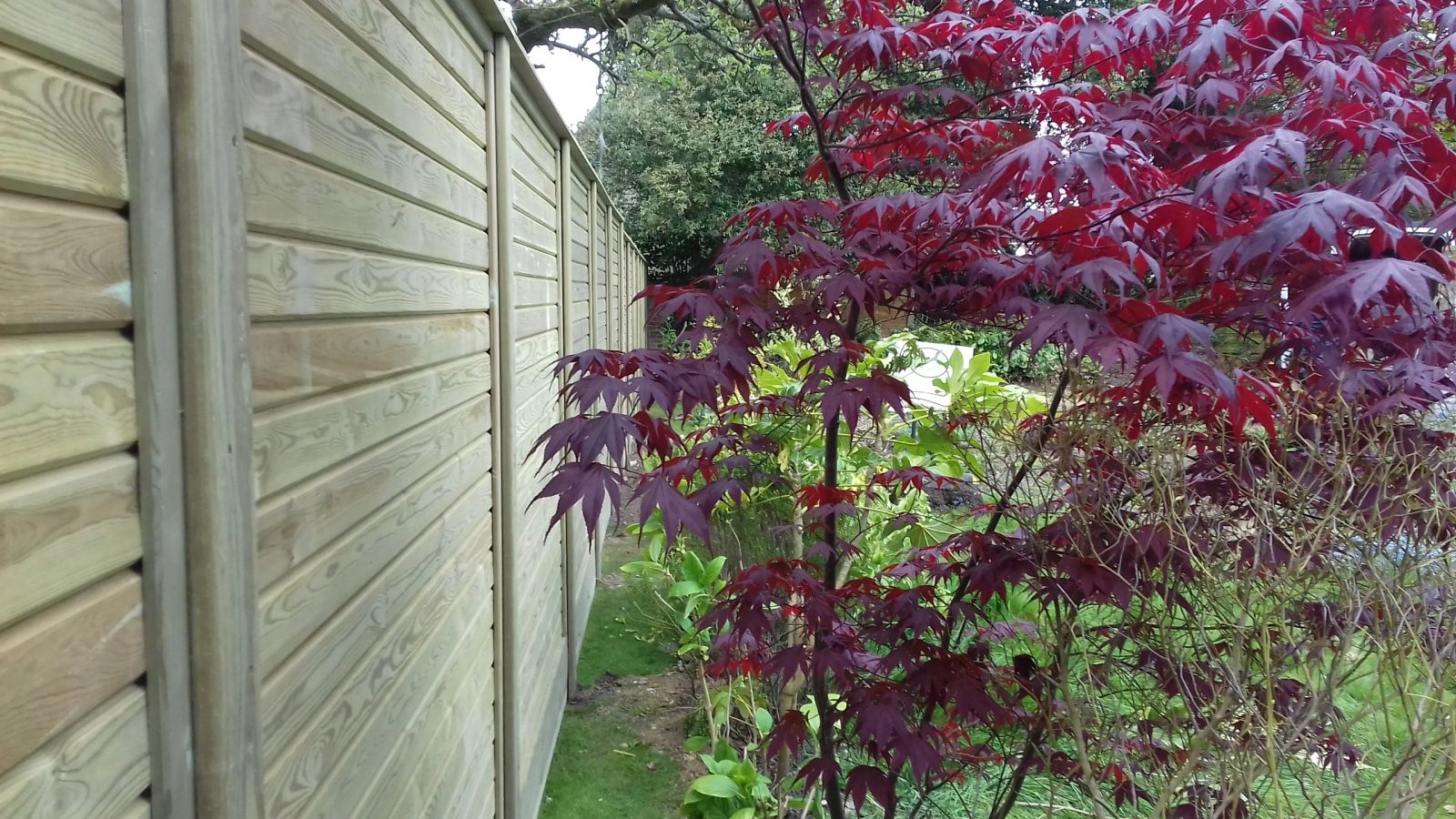
Self-closing and self-latching gates near water
A gate giving access to a garden pool or a boundary near open water benefits from a self-closing and self-latching mechanism that doesn't rely on a person remembering to shut and lock it every time, since a single unlatched instance is enough for an incident.
Combining a self-closing spring with a latch mounted high enough to be out of easy reach of a small child adds a second layer of protection beyond the closing action alone.
Perimeter fencing around a car park
A car park perimeter combines security fencing with vehicle containment at points where a car could roll or be driven through the line, so kerbs, wheel stops or a heavier post spec are used at vulnerable edges rather than a uniform light-duty fence throughout.
Pedestrian gaps left for a footpath through the car park need their own gate or bollard treatment, since an open pedestrian route through an otherwise secure line is an easy way round the fence entirely.
Applying to modify or discharge an old covenant
Where an old restrictive covenant genuinely no longer serves a useful purpose, it's possible to apply to the Upper Tribunal (Lands Chamber) to have it modified or discharged, though this is a formal legal process rather than a quick fix.
This route is generally used where a covenant is preventing otherwise sensible work and informal agreement with whoever benefits from it can't be reached.
Given the legal complexity involved, this is very much a solicitor-led process rather than something to attempt without professional advice.
Flanking noise paths around a barrier
Flanking noise reaches a listener by a path that goes around a barrier rather than through or over it — past an open end, through a gap at a gate, or via a shared side return — and can undermine an otherwise well-built central section.
Checking for flanking paths at the ends of a run and at any openings is as important as the panel build itself, since sound will take the easiest available route regardless of how solid the main section is.
Razor mesh panel systems for high-security compounds
A razor mesh panel embeds short, sharp folded barbs directly into the mesh weave itself rather than adding a separate topping coil, giving an anti-cut and anti-climb barrier across the whole panel height rather than only at the top.
These panels carry a higher injury risk than a standard mesh and are typically reserved for high-value compounds such as a fuel depot or a substation, kept well away from any pedestrian route.
Balancing delivery scheduling with retail service yard security
A retail service yard often needs its security gate open for scheduled delivery windows through the day, which creates a predictable gap in the site's perimeter security that opportunist theft can exploit if the yard isn't otherwise supervised during those hours.
A visitor or delivery intercom paired with a smaller pedestrian gate lets staff manage vehicle access without leaving the main gate open for the full delivery window, reducing the time the yard is left unsecured.
Spike-free zones at shared access points
Anti-climb spikes or barbed toppings are avoided near a shared gate, bin store or path where members of the public or neighbours pass close to the fence, to reduce injury risk at the point of highest foot traffic.
The deterrent topping is instead concentrated on the less-trafficked stretches of the same boundary, keeping the overall line consistent in height while varying what sits on top of it.
Neighbour notification during a boundary planning application
Where a planning application is needed for a boundary structure, the council typically notifies adjoining neighbours and gives them a period to comment before a decision is made.
This is a formal statutory step distinct from any informal courtesy conversation that may already have taken place, and objections raised at this stage are genuinely considered by the case officer.
Having already discussed the proposal informally with a neighbour often means fewer surprises when the formal notification arrives.
Moisture at the base of a gate frame
The bottom rail of a gate frame traps moisture longer than any other part of the gate, which is why frame rot almost always starts there first — a gate hung close to ground level with poor drainage underneath will rot faster than one with a clear run-off gap.
Where a repair addresses bottom-rail rot, improving drainage at that point is usually worth doing at the same time.
Ivy growth as a structural load
Established ivy doesn't just sit on a fence for appearance — its woody stems and aerial roots add real dead weight, and a mature growth can add the equivalent of several boards' worth of load to a panel over years of unchecked growth.
Ivy also holds moisture directly against the timber or brickwork it covers, which accelerates rot or mortar erosion underneath even though the visible growth looks healthy.
Removing mature ivy from a fence intended to stay in place needs care, since cutting the base and letting it die back gradually avoids suddenly exposing timber that has been softened by long-term dampness underneath.
Post depth as a ratio of height above ground
A common rule of thumb is that roughly a third to a quarter of a post's total length should be in the ground, so a post standing 1.5m proud typically needs somewhere in the region of 500-600mm of burial depth depending on soil and loading.
Taller fences, gate posts, and posts on exposed or poorly-draining ground all push toward the deeper end of that range, since the leverage on a buried post increases with height above ground far more than it does with depth.
Skimping depth to save digging time is one of the most common causes of a post working loose within its first few winters, well before the timber itself shows any sign of failing.