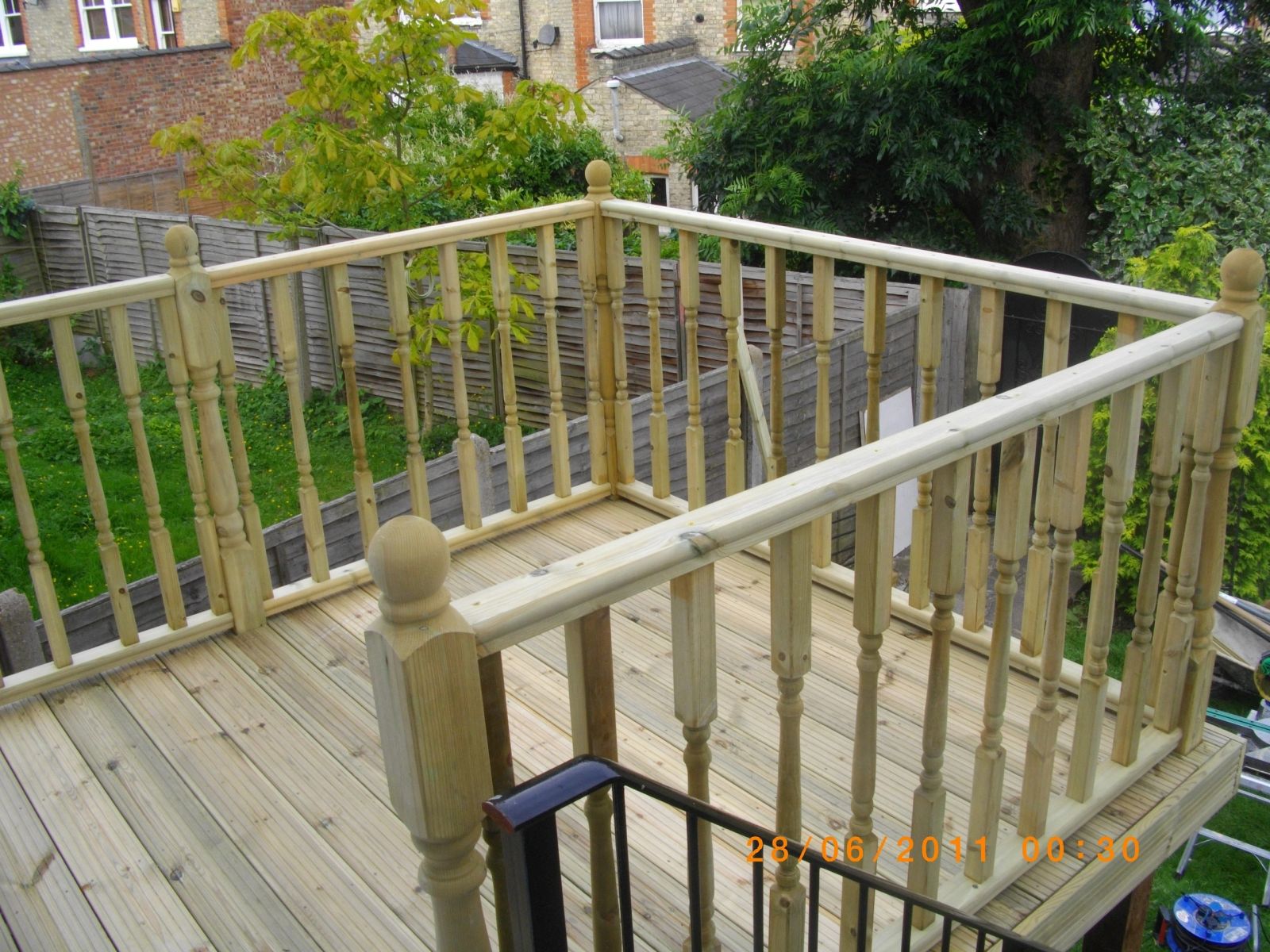
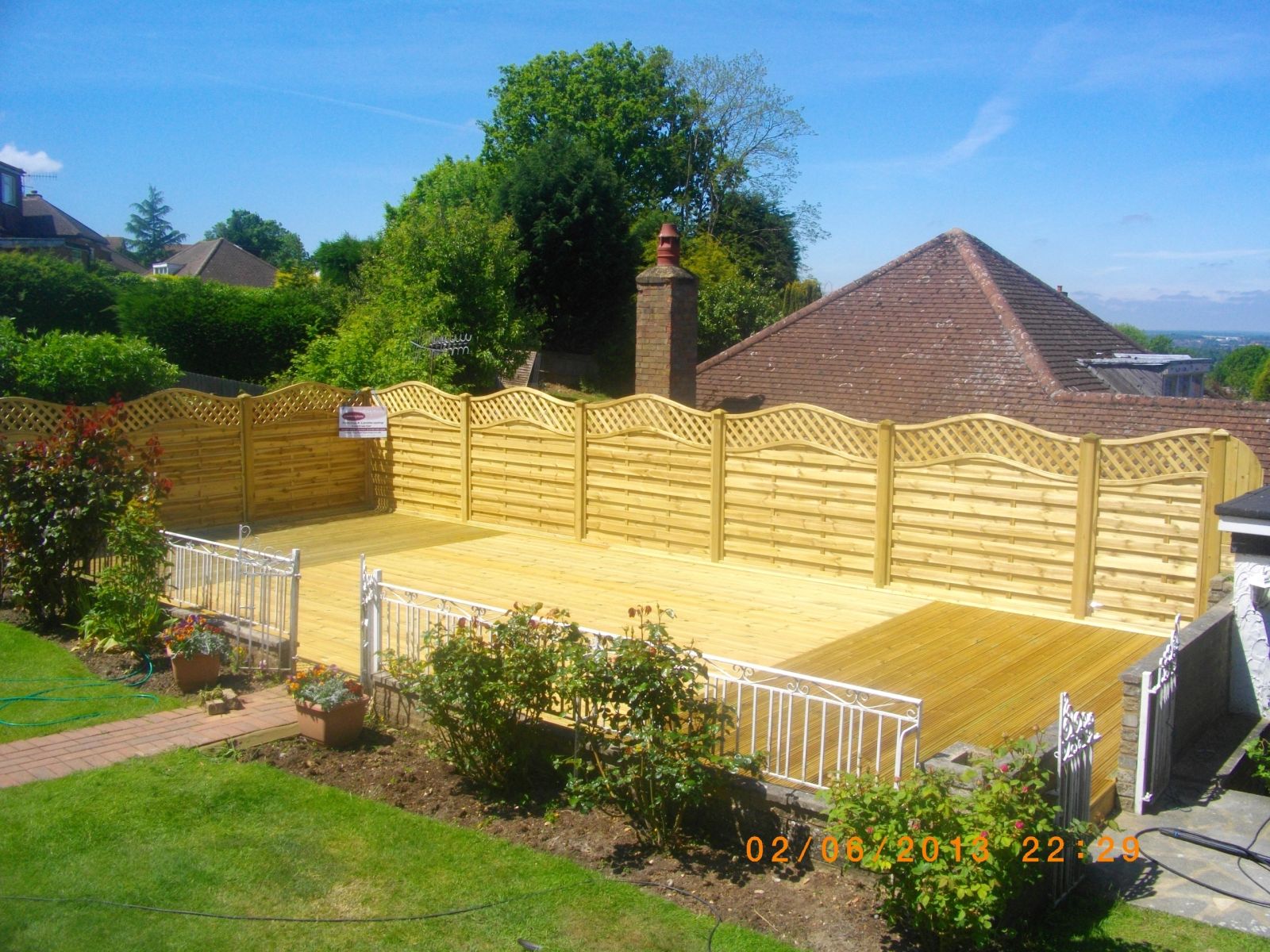
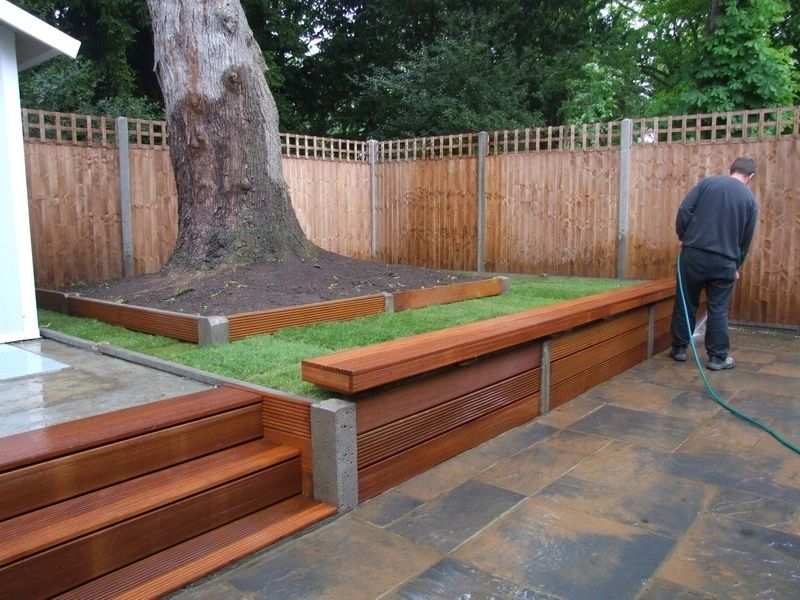
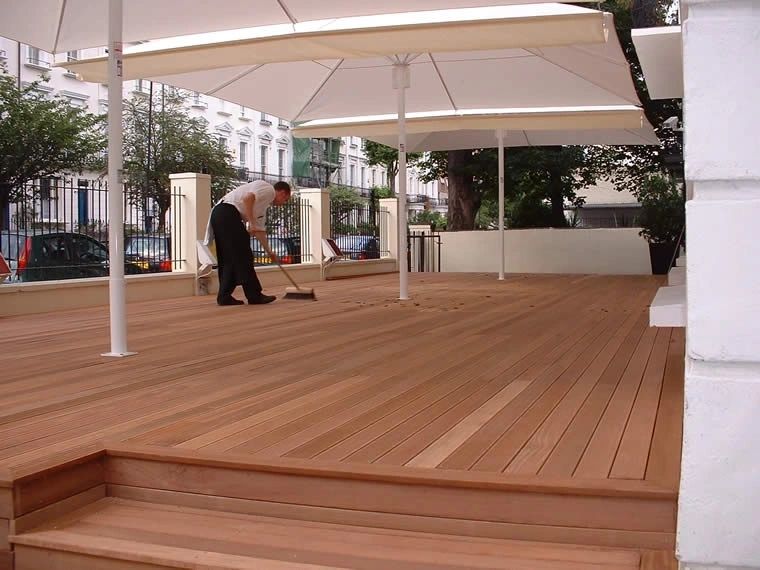
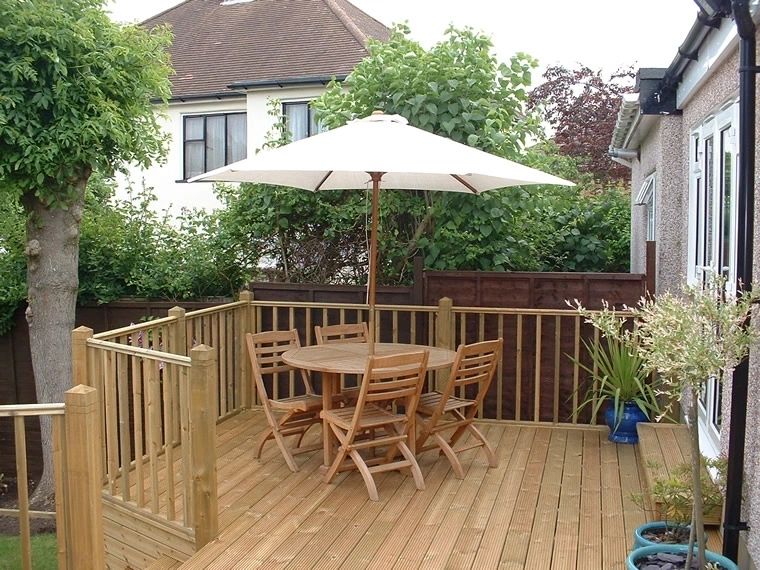
Checking screw and bolt length matches the timber section
A fixing that's too short doesn't engage enough timber to hold under load, while one that's too long can punch through the far face of a rail or post, both of which are easy mistakes when reaching for whatever's in the tool bag rather than checking the actual section thickness first.
As a rough guide, a screw fixing generally wants to penetrate the receiving timber to a meaningful multiple of its own diameter to hold securely, which is worth checking against the actual post or rail dimensions being used on a given job rather than assumed from habit.
Where a through-bolt is used instead of a screw, matching the bolt length to the combined thickness of both pieces plus washer and nut avoids either an unsightly protruding stub or a bolt that can't be tightened properly.
Dealing with an encroaching fence line
An 'encroaching' fence is one built further onto a neighbouring property than the true boundary allows, sometimes discovered only when a new survey or sale brings the discrepancy to light.
Resolving this is usually a conversation first — checking the title plans together and agreeing a way forward — rather than an immediate confrontation, since older fences are often innocently mispositioned rather than deliberately encroaching.
Where agreement can't be reached informally, this becomes a legal boundary dispute best handled with professional advice rather than unilateral action by either side.
Gravel terraces of the Lea and Colne valleys
The river terraces along the Lea and Colne valleys are largely sand and gravel over clay, ground that drains quickly and digs easily compared with the heavier clays further from the rivers.
Free-draining gravel is generally kinder to timber posts since water doesn't pool against the base, but loose gravel can also slump back into an open hole faster than clay, making a wider working hole necessary to get concrete properly around the post.
Where the gravel sits directly over a clay band, augers can hit a hard, sticky transition partway down that slows digging without warning.
Repairing a fence after vehicle impact
A fence hit by a reversing vehicle typically fails several posts and panels in one localised area rather than a single point, and the true extent of the damage — cracked footings, racked panels either side of the direct impact — is often wider than what's visibly broken.
This kind of repair is worth assessing as a defined section rather than replacing only the most obviously smashed panel, since posts either side that have been pushed or racked can fail again shortly afterwards if left unaddressed.
Conservation covenants affecting boundary land
A relatively newer legal tool, the conservation covenant, allows landowners to agree binding restrictions on land use for conservation purposes, which can in principle extend to boundary treatments on affected plots.
These are still uncommon on ordinary residential properties but more likely on larger plots, smallholdings, or land near protected habitats.
Checking the title register for any registered covenant of this kind is worth doing on larger or more unusual plots before assuming standard rules apply.
Freeholder consent for a leasehold garden
Leasehold houses and flats with a garden are usually still subject to the terms of the lease, which can require the freeholder's written consent before altering boundary structures.
This applies even where the leaseholder has full day-to-day use of the garden and has paid for previous fencing work themselves.
Checking the lease, or asking the managing agent, before committing to boundary work avoids a costly rebuild if consent turns out to be required and wasn't obtained first.
Strainer posts and wire tensioning loads
A strainer, or straining post, anchors the end of a tensioned wire or mesh run and needs to resist a sustained pulling load along the line of the fence, which is a materially different stress to the mostly lateral wind load an intermediate post experiences.
Strainer posts are typically set deeper, in a larger concrete footing, or braced with a diagonal strut back to a second post, specifically to resist this sustained pull rather than an occasional gust.
Under-specifying a strainer post relative to the wire tension applied is a common cause of an entire fence run gradually leaning inward from one end, since the strainer post itself moves rather than the wire actually loosening.
Clearing old gate hardware and frames
Old hinges, latches and, where a frame is beyond repair, the timber itself are removed and taken off site as part of the job, rather than left for the client to dispose of separately.
Where original ironmongery is salvageable and still serviceable, we reuse it rather than replacing parts that don't need it.
Motorcycle pass-by noise
A motorcycle, particularly one with an aftermarket exhaust, can produce a sharp acceleration noise significantly louder than a typical car at the same speed, and that noise is heavily directional, projecting rearward from the exhaust.
On a road with mixed traffic, isolated motorcycle pass-bys will remain audible above a barrier even where general traffic noise is well controlled, since a single loud event can exceed what a barrier's average attenuation covers.
UV stabilisers in composite and PVC fencing
UV stabiliser additives are blended into composite and PVC fencing products during manufacture to slow the surface degradation and colour fade that ultraviolet exposure otherwise causes in polymer materials over time.
Products with a lower proportion of UV stabiliser, often reflected in a lower price point, tend to show chalking, a dusty faded surface, and colour loss earlier than better-stabilised equivalents exposed to the same sunlight.
South and west-facing runs receive substantially more cumulative UV exposure than shaded or north-facing runs, so the same product can visibly fade at different rates depending purely on orientation and surrounding shade.
Matching a railing gate to adjacent railings
A gate set into a run of metal railings needs its bar spacing, finial style and rail heights to match the railings either side, otherwise the opening reads as an obvious later addition rather than part of the original run.
Repro railing gate sections are available in standard spacings, but an older or bespoke railing run sometimes needs a gate made to match rather than bought off the shelf.