Right to light and boundary structures
A right to light is a legal easement that can be acquired after twenty years of uninterrupted light through a defined window, and it protects a level of illumination to that window rather than an open view or unobstructed garden outlook.
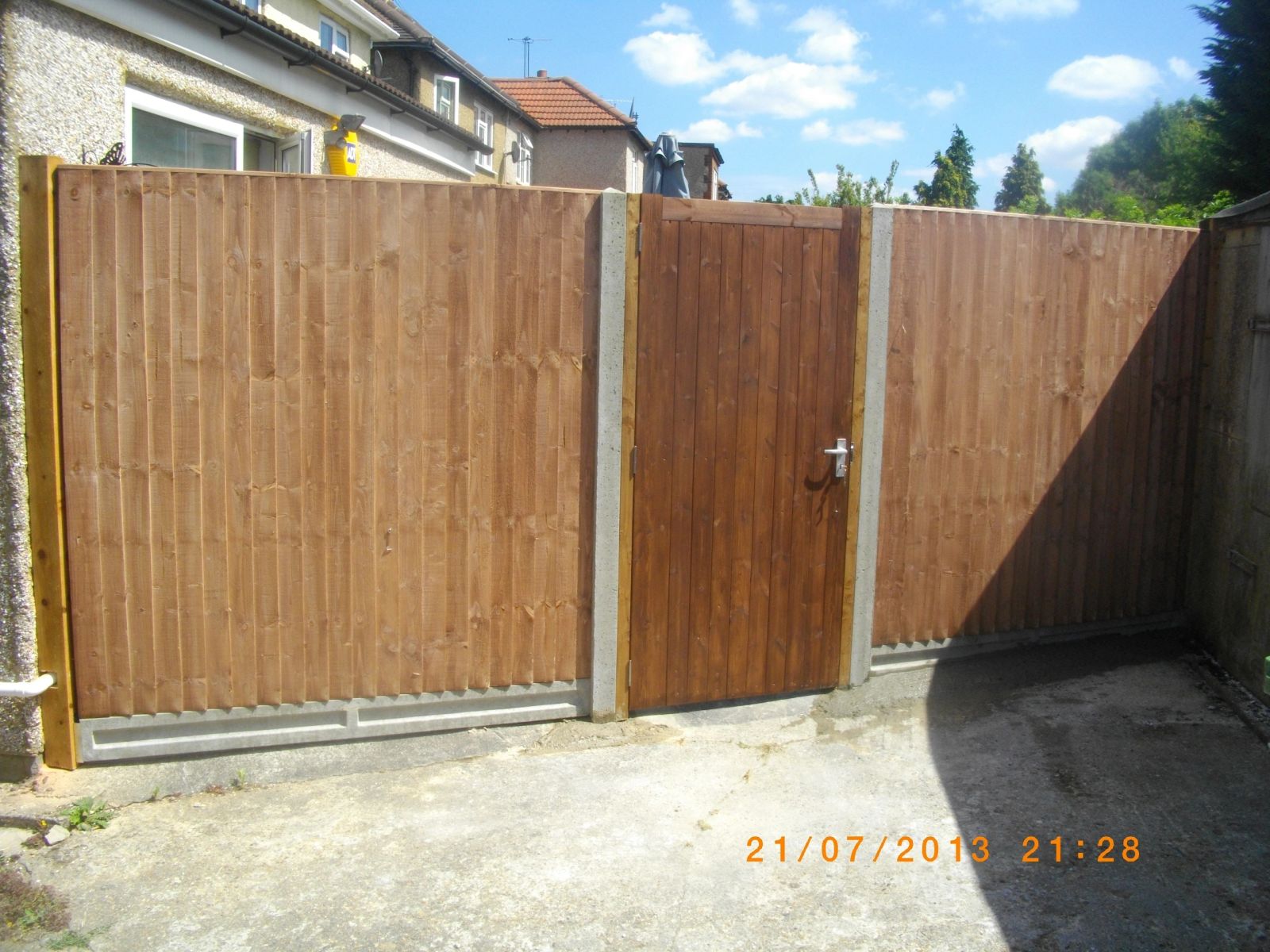
An ordinary garden fence or low wall almost never generates a right to light issue, but a tall close-boarded fence, high wall or dense screening structure built close to a window that has enjoyed light for decades in principle could, particularly in dense urban plots.
In practice this rarely affects standard fencing height, but it's a different legal question from planning permission and worth being aware of on unusually tall or solid boundary structures near windows.
End-grain sealing on cut timber
End grain is far more absorbent than a timber's long faces because it exposes the open ends of the wood's vascular cells, so a post or rail cut to length on site can soak up moisture many times faster at the cut end than elsewhere.
Leaving a fresh cut untreated is one of the more common ways a pressure-treated timber ends up rotting from the middle outwards, since the factory treatment doesn't extend to a cut made after the fact.
A brush-applied end-grain preservative or sealant on every site-cut post base and rail end restores some of that lost protection, and takes only a few minutes per cut relative to the risk it avoids.
Padbolt throw length and post engagement
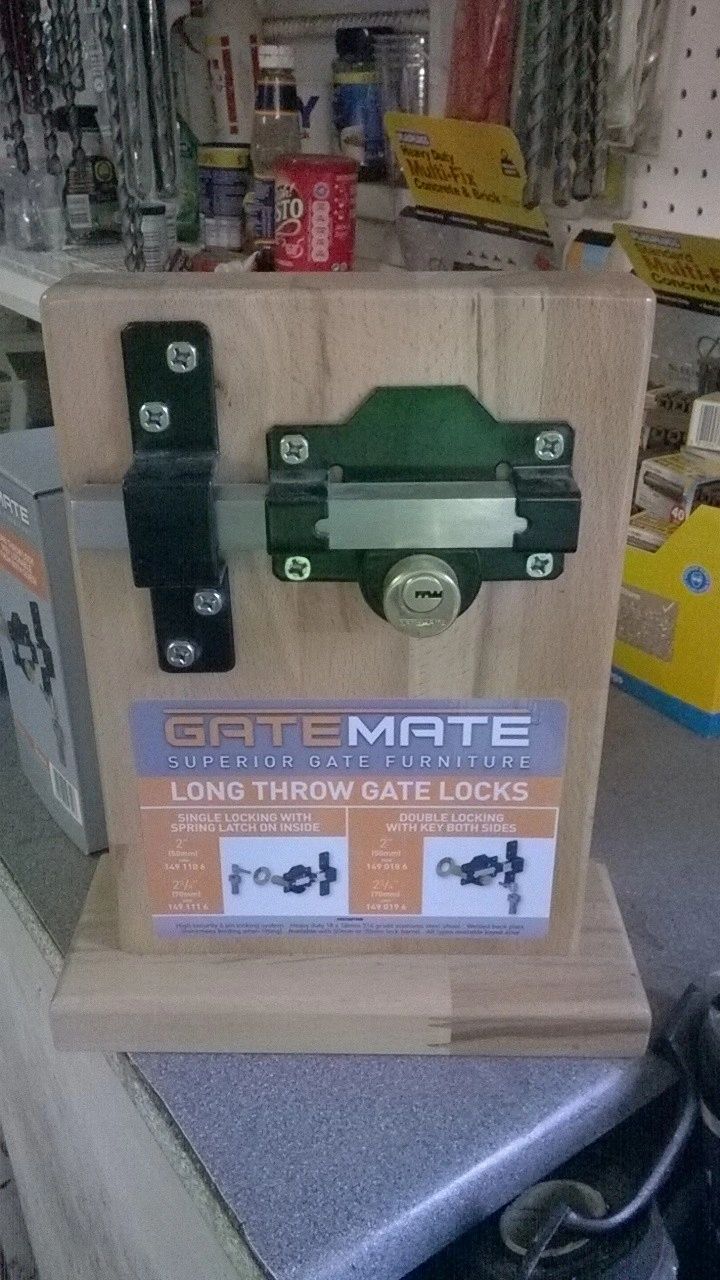
A padbolt needs enough throw length to engage solidly into the post or an adjacent leaf, and a bolt with too short a throw for the gap it's covering can be forced open with comparatively little effort.
Checking throw length against the actual gap, rather than fitting a standard-length bolt regardless of the opening, is a simple but often-missed step when upgrading gate security.
End-of-terrace properties and long return boundaries
An end-of-terrace plot typically carries a much longer exposed side boundary than its mid-terrace neighbours, often running the full depth of the garden along a side street or footpath rather than backing onto another private garden.
That length changes the practical spec: more posts see wind and impact loading from the public side, and a long uninterrupted run benefits from a support post or two extra to control any bow developing over time.
Because the boundary faces a public route, it's also the fence most likely to need a more robust anti-climb consideration than an equivalent internal party fence.
Accelerated hardware corrosion in coastal locations
Salt-laden air near the coast accelerates corrosion of untreated or lightly galvanised gate hardware considerably faster than an inland site, which can shorten the working life of hinges, latches and fixings if they're not specified with this exposure in mind.
Stainless steel or heavily galvanised fixings are generally a better specification than standard galvanised or plated hardware for a gate sited close to the coast.
Powered auger versus hand-digging post holes
A petrol or hydraulic auger speeds up digging significantly on open, obstruction-free ground, but is the wrong tool near known services, tree roots or previous hardstanding, where it can't tell the difference between soil and something it shouldn't hit.
Access also decides the method — an auger needs room to manoeuvre and, for larger machines, a route wide enough to bring it onto site, which isn't always available on a narrow rear plot.
Hand-digging costs more in labour time but gives far more control in tight, obstructed or sensitive ground, which is why most quotes specify the method appropriate to the actual site rather than assuming the fastest option by default.
Locks: nightlatch, deadlock, padlock hasps
A nightlatch-style mechanism, a mortice deadlock built into the gate frame, or a simple padlock-and-hasp arrangement each offer a different balance of convenience and resistance to forcing on an outdoor gate.
A mortice lock recessed into a timber frame is more weather-protected than a surface-mounted hasp, but needs a soundly built frame section to sit in.
Tree Preservation Orders and a post line
A Tree Preservation Order protects specified trees from work that would damage them, and that protection extends below ground to root systems, not just the visible trunk and canopy.
Digging post holes within a protected tree's root protection area can count as damage even without touching the trunk, so it's worth checking the local TPO register before finalising a post line near a mature tree.
Where a TPO applies, the local authority can require an application before any groundworks proceed, and unauthorised damage carries meaningful penalties.
Concrete cure time before a post can be loaded
A post set in fast-setting postcrete can usually take light loading within an hour or two, but a full concrete footing needs several days of cure before it should be relied on for the lateral loading a security fence or gate applies.
Fitting a heavy gate leaf to a post before its footing has properly cured can rock the post out of plumb before the concrete has reached working strength, which is a common avoidable cause of an early lean on a new installation.
Fence junctions above a retaining wall
A fence sitting on top of a retaining wall adds lateral load the wall wasn't necessarily designed for, particularly on a taller solid-faced security screen catching wind, so the wall's condition and the fence's fixing method both need checking before installation rather than assumed to be compatible.
Where the wall can't safely take a bolted post, a freestanding post line set back slightly from the wall edge, tied back if needed, keeps the fence load off the retaining structure entirely.
Latch and drop-bolt corrosion over a gate's lifecycle
A gate latch or drop bolt sees repeated mechanical wear on top of weather exposure, and standard zinc-plated steel components typically show surface corrosion and stiffening action within a few years of regular outdoor use.
Stainless steel or marine-grade fittings cost more initially but avoid the seized or snapped bolt that is one of the most common minor gate failures, particularly on a drop bolt that isn't operated daily and can seize unnoticed.
An annual light oiling of moving parts, alongside the general hinge check, keeps a latch mechanism working smoothly well beyond the point a neglected one would start sticking.