Discontinued panel styles
Panel fencing ranges get discontinued or reformulated by manufacturers more often than solid boarded fencing components, since panels are a proprietary product rather than built from generic stock timber sizes.
A ten- or fifteen-year-old panel range is often simply no longer made, which means a single damaged panel in an otherwise sound run may need the whole run replaced, or a mismatched panel accepted as a compromise.
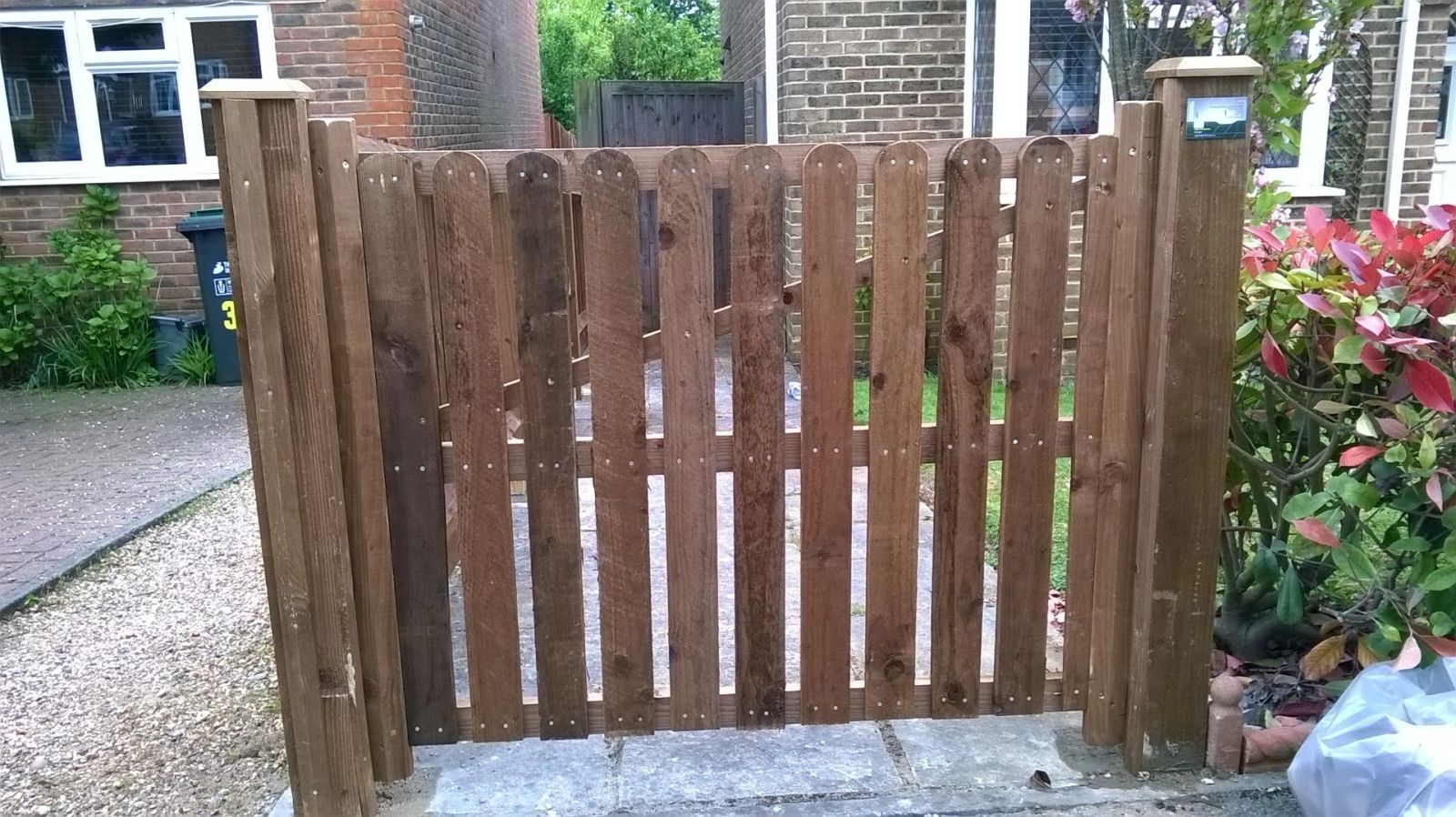
Closeboard and picket fencing, built from standard boards, rails and posts rather than a proprietary panel, are generally easier to repair piecemeal decades later precisely because the components aren't tied to one manufacturer's product cycle.
Moss build-up on shaded paths beside a north boundary fence
A path or step running alongside a permanently shaded north-facing fence often develops moss faster than the same surface elsewhere in the garden, since the fence itself blocks low winter sun that would otherwise help the surface dry.
This isn't strictly a fence maintenance issue but is worth mentioning to clients, since a fence replacement project is often the moment a client is already thinking about that part of the garden and receptive to fixing a related slip hazard at the same time.
A lighter, more open fence design along that boundary, where privacy allows, can let in enough additional light to measurably reduce moss growth on the path beside it.
Wind loading on exposed runs
A fence on an open, elevated or unsheltered boundary — a plateau, a field edge, or a long unbroken run with no buildings breaking the wind — takes a real structural load that a sheltered suburban garden never sees.
Standard 75x75mm posts and full-height solid panels are the combination most likely to fail here; heavier posts, shorter bays between them, and a slatted or louvred profile that lets some wind through all reduce the load rather than fighting it head-on.
It's a specification decision made at quote stage, not something to retrofit after the first panel goes over in a storm.
Striker plate and keep alignment
A latch that no longer catches is very often a striker or keep alignment problem rather than a broken latch, especially after a gate has dropped slightly or a post has moved seasonally.
Re-positioning the keep to match the gate's current resting position is usually quicker and cheaper than replacing the latch mechanism itself.
Temporary propping versus a permanent repair
A gate that's failed suddenly, such as a snapped hinge or a post knocked out of the ground, sometimes needs a temporary prop or fixing to secure the opening safely until a permanent repair can be carried out, particularly where the opening needs to remain secure overnight.
It's worth being clear with a client about which stage a repair is at, since a temporary fix isn't intended to be left in place long-term.
Deck boards against a shaded wall building up algae
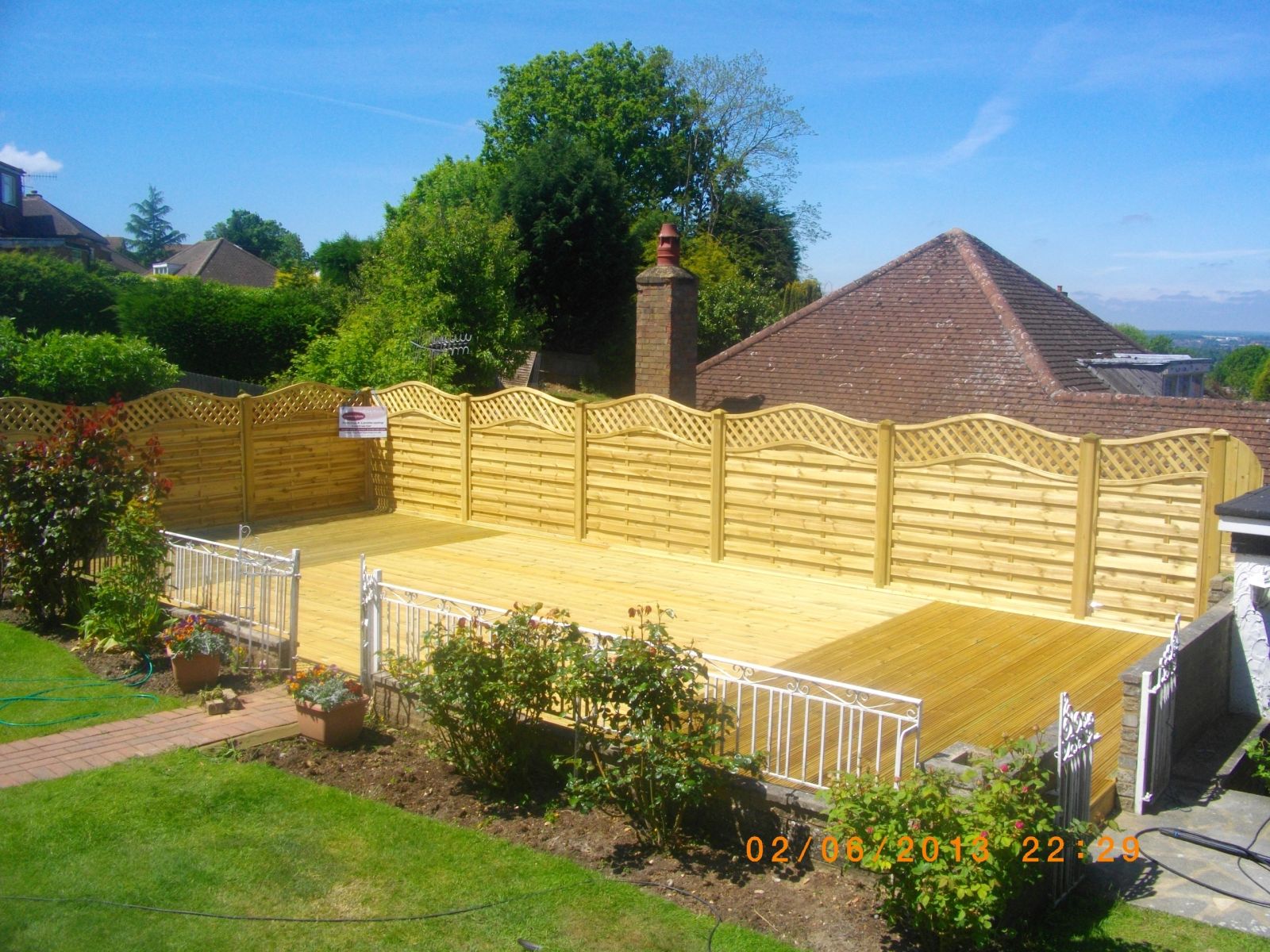
A deck built hard against a shaded wall, fence, or dense planting on one side often shows a distinct band of algae growth along that edge well before the rest of the deck, since it dries far more slowly after rain.
This uneven wear pattern is normal rather than a sign of a substandard board, but it does mean that edge needs cleaning more often to keep slip resistance consistent across the whole deck.
Where possible, leaving even a narrow gap between the deck edge and an adjoining wall or dense hedge improves airflow along that edge and reduces how quickly algae establishes there.
Historic planning conditions overriding permitted development
Some properties, particularly newer housing developments, have a specific planning condition attached to their original permission that restricts boundary treatments beyond the normal permitted development rules.
These conditions remain in force indefinitely unless formally varied or removed, regardless of how long ago the development was built.
Checking the property's planning history on the council's online planning register is a quick way to spot this kind of condition before assuming standard permitted development rights apply.
Feather-edge versus overlap panel construction
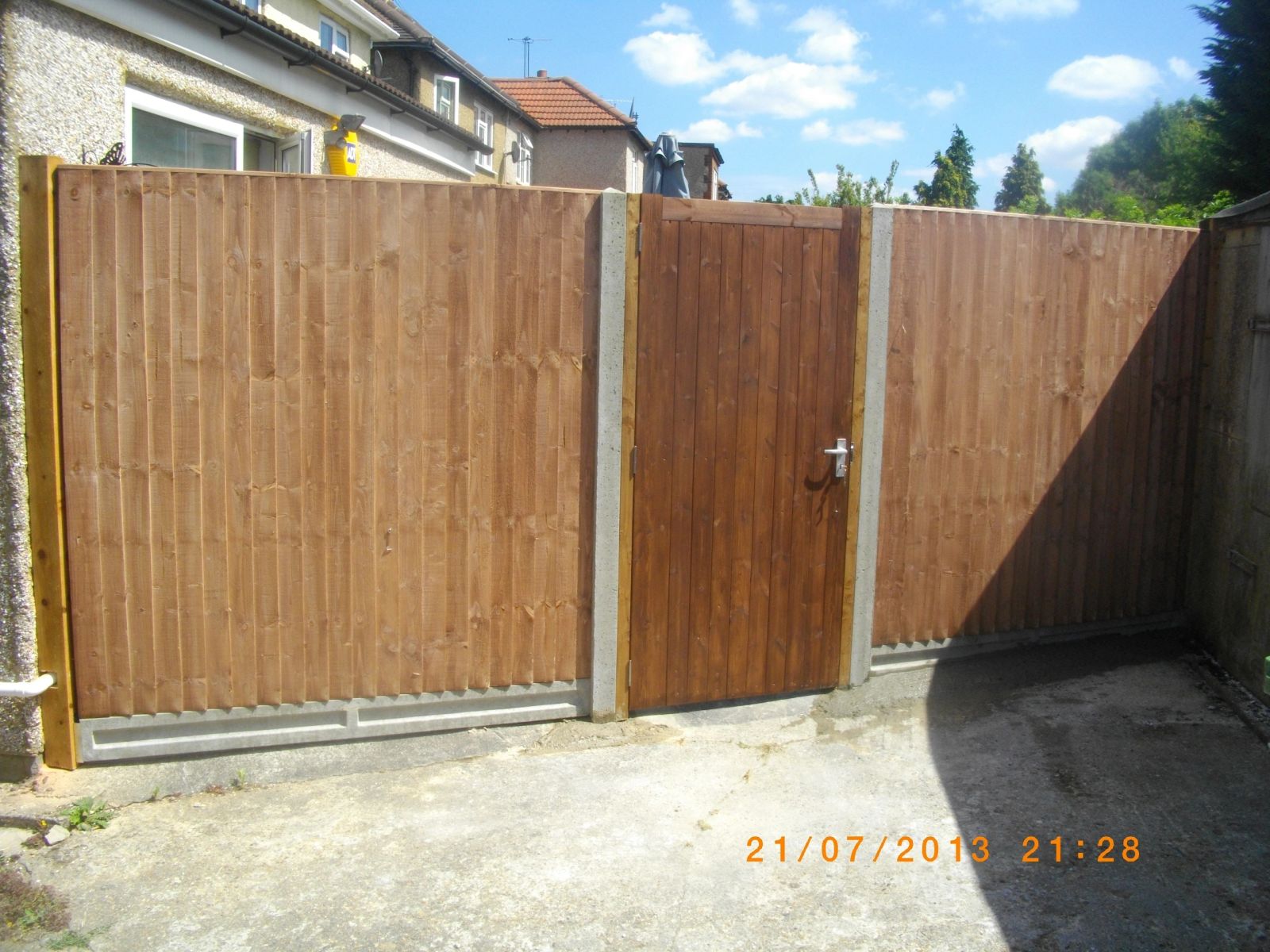
Feather-edge fencing uses individual tapered boards nailed vertically to horizontal arris rails, built up on site board by board, which makes it easier to repair a single damaged board without disturbing the rest of the run.
Pre-made overlap or lap panels are faster to install since they arrive as a complete unit, but a single split board usually means replacing the whole panel rather than one board.
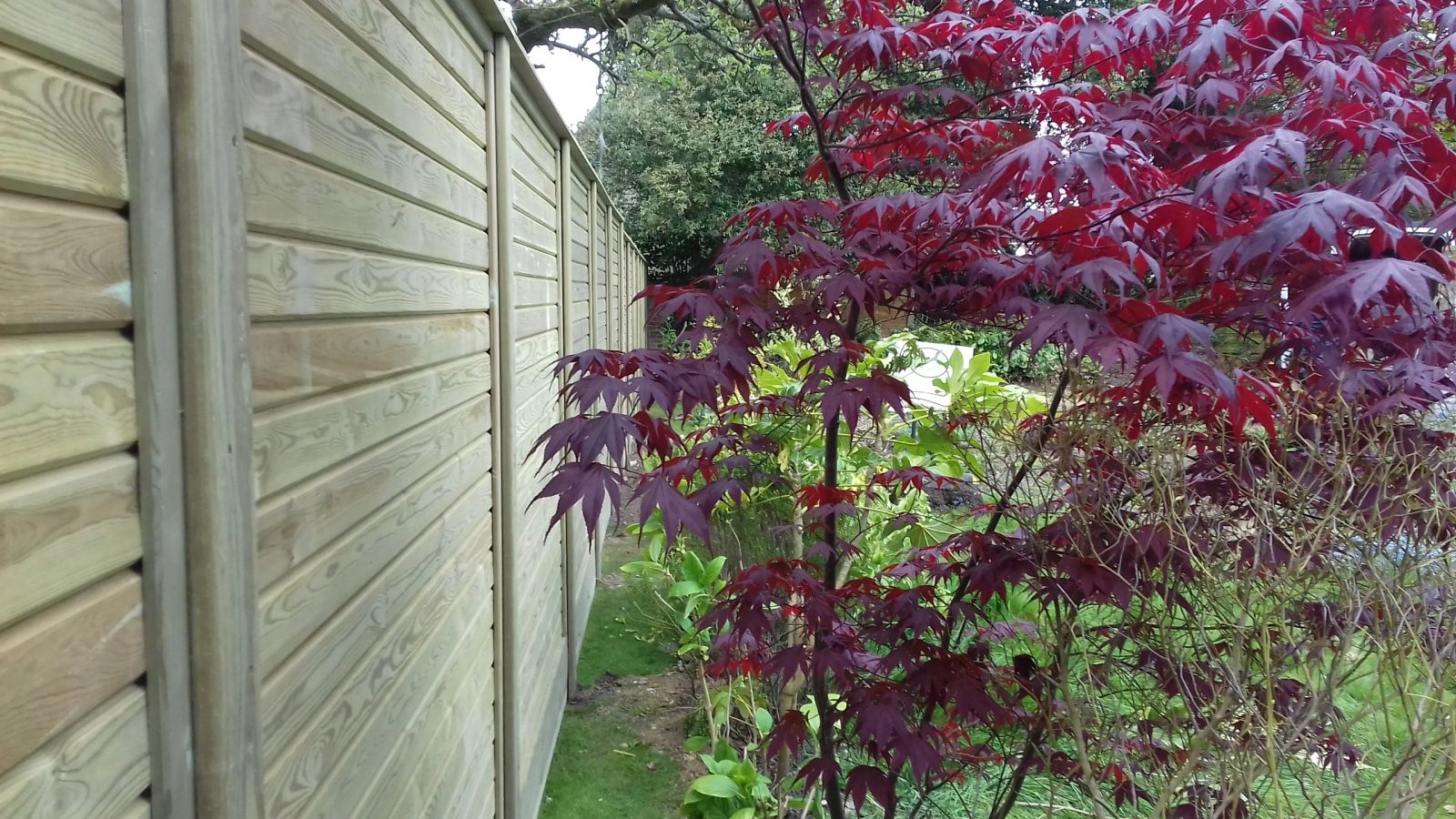
Feather-edge also tends to be the sturdier choice on an exposed or long run, since the individual boards and rail structure resist wind loading better than a thinner factory panel.
Ground clearance over gravel or block paving
A gate hung with tight clearance over a lawn can start dragging once the surface underneath is changed to gravel or block paving, since both typically sit slightly higher than turf and compact unevenly over time.
We check finished ground level, not just the level at the time of the original hang, before setting clearance on a repair or re-hang.
Diagnosing an uneven gap between gate and post
A gap that's wider at the top than the bottom, or vice versa, between a gate and its latch post usually indicates the gate has racked out of square rather than simply dropped evenly, which is a frame issue rather than a hinge-height issue.
Measuring the gap at both top and bottom before starting a repair helps distinguish a racking fault from a straightforward drop, since the two need different corrections.
Cranked arm angle for wire toppings
A cranked topping arm angled outward at roughly 45 degrees forces a climber to overcome gravity as well as grip when reaching over the top, which is significantly harder to defeat than a vertical extension of the same height.
Angling the arm inward is sometimes specified instead where the security concern is people leaving a site rather than entering it, such as around a compound holding valuable scrap awaiting collection.