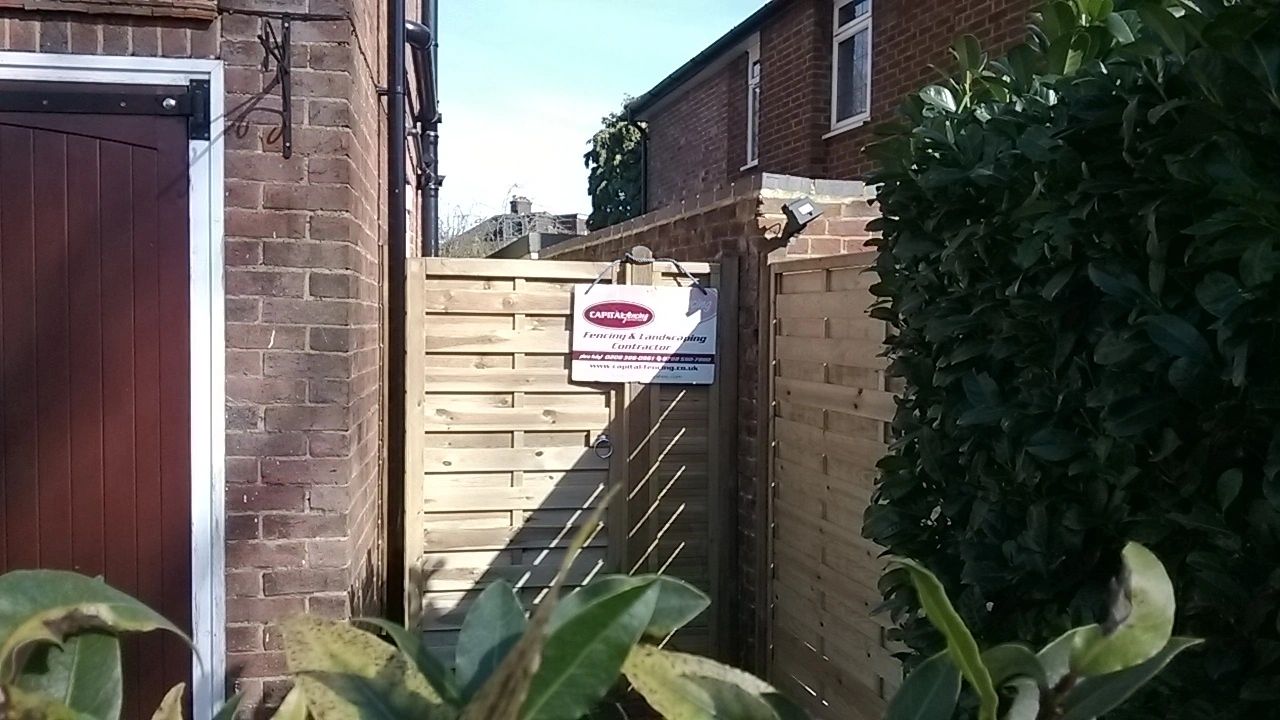
Gates on a shared boundary between neighbours
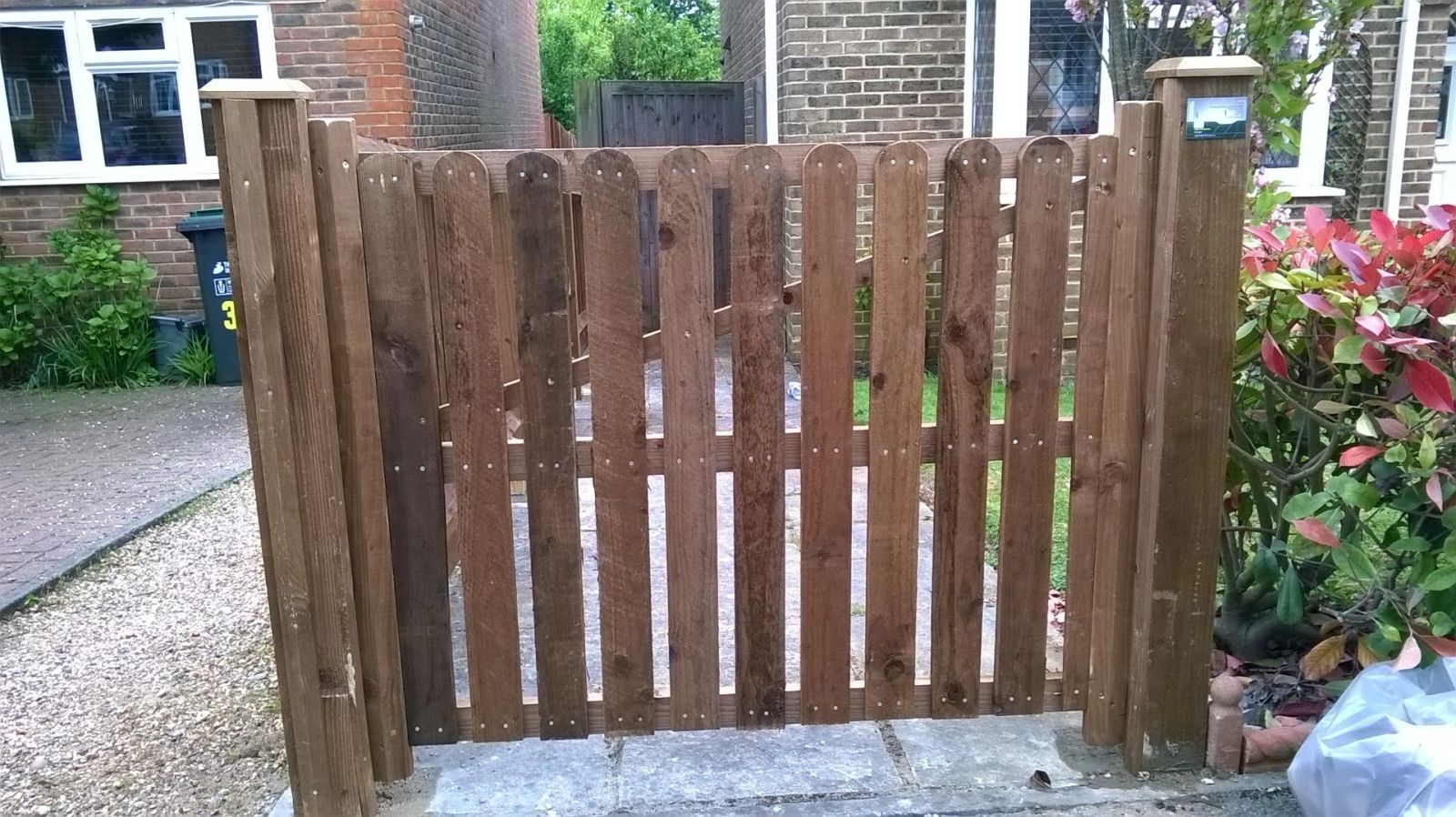
A gate set into a boundary shared between two properties, rather than fully on one side, benefits from a clear understanding between both parties about who maintains it and who holds keys, since disputes over a shared gate are common when this isn't agreed early.
This is separate from the physical repair work, but it's worth raising with the client where a gate clearly serves or affects an adjoining property.
Capping rails and rail theft
Timber capping rails and metal top rails both protect the fence line beneath them from weather, but an unsecured metal capping on a low-value run has occasionally been targeted for scrap, which is worth factoring in on an isolated boundary.
Fixing capping with concealed or tamper-resistant screws rather than exposed standard screws reduces how easily a section can be lifted off without cutting into the maintenance schedule.
Ironmongery grades for gates
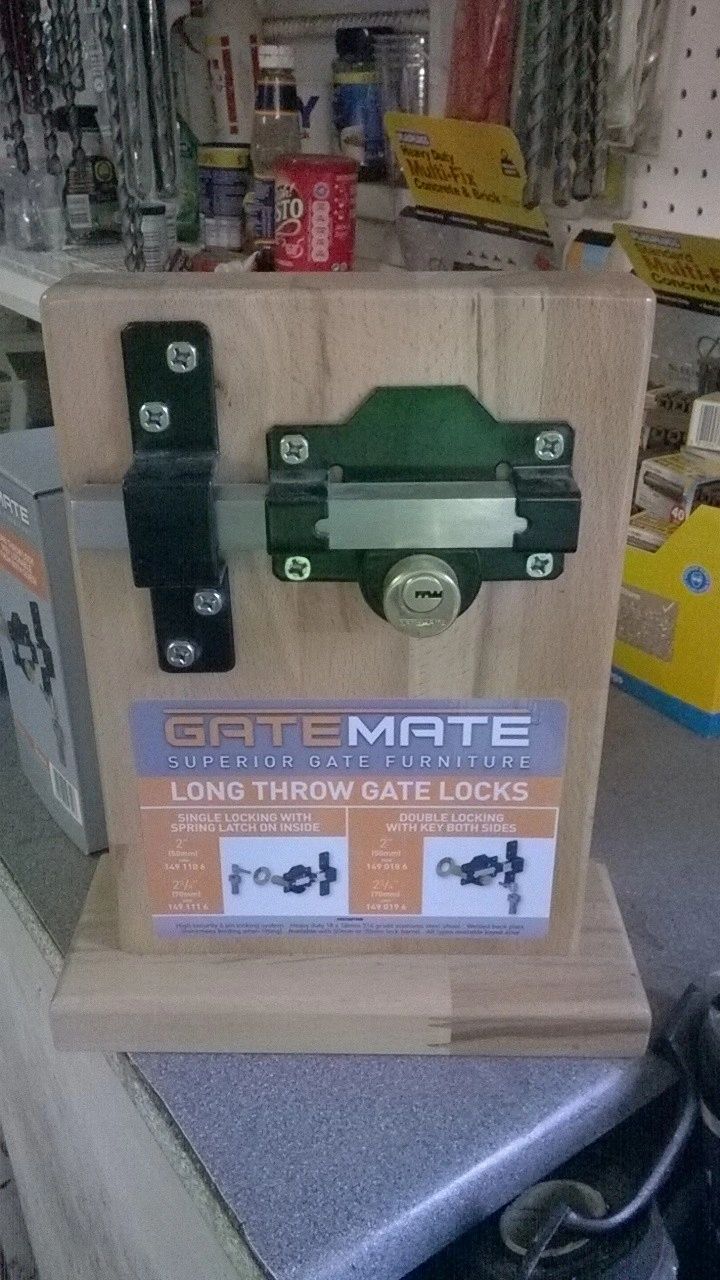
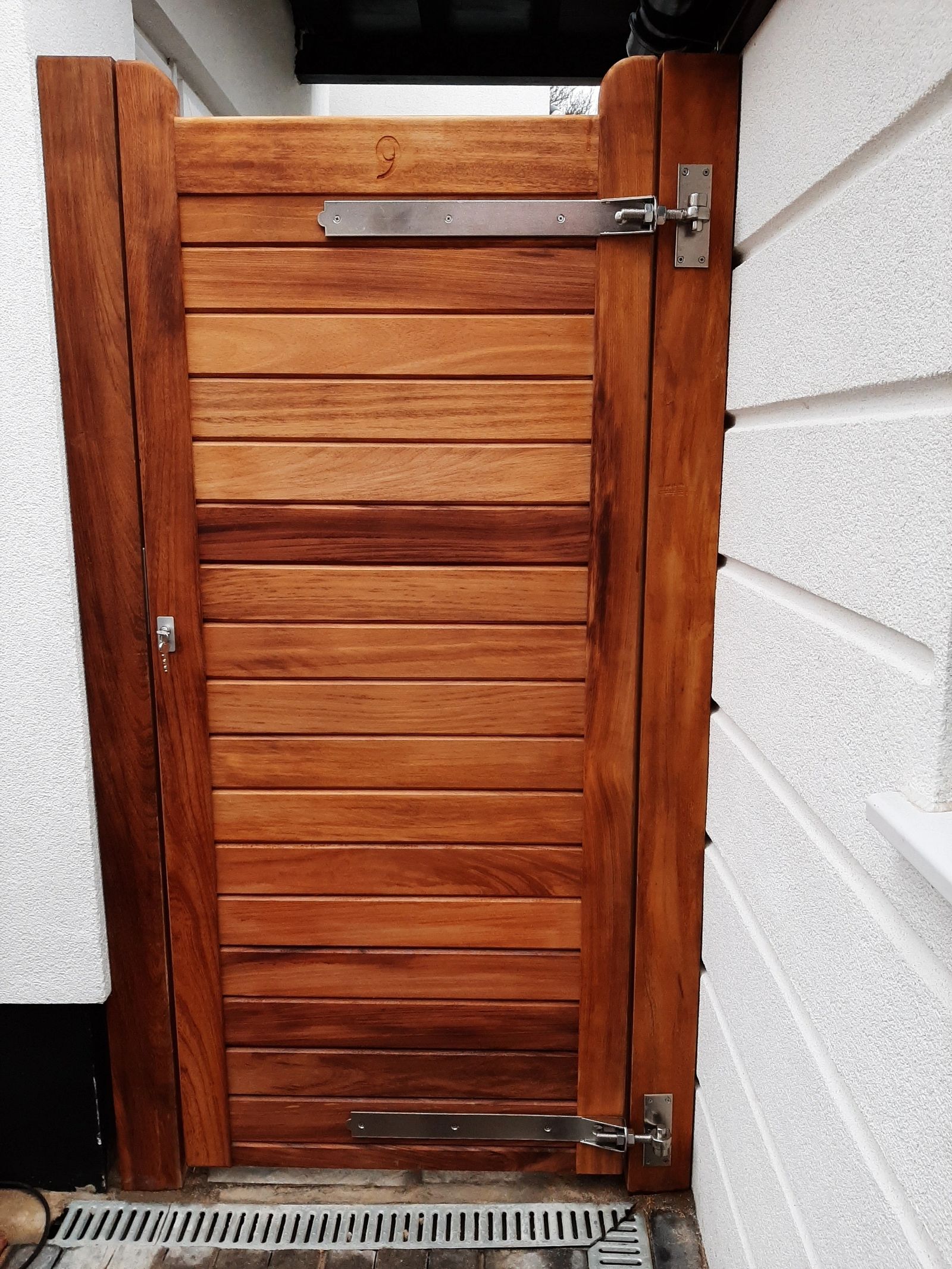
Gate hinges, latches and drop bolts are graded broadly by size and load rating rather than sold as one universal fitting, and undersized ironmongery on a heavy hardwood gate is a common cause of early sagging even when the frame itself is well built.
Externally, ironmongery needs a corrosion-resistant finish suited to constant weather exposure — galvanised, stainless or a specifically outdoor-rated coated finish — rather than internal-grade fittings that will rust and seize within a season or two.
A self-closing hinge or a matching pair of hinges rated for the gate's actual weight is worth specifying explicitly on a quote, since 'a pair of hinges' without a load rating leaves the actual spec to whatever's in stock.
Consent needed near a formal flood defence
Land adjoining a designated main river or formal flood defence structure can require Environment Agency consent for works within a specified distance, which can include fence post foundations in some cases.
This is separate from general flood risk zone planning considerations and relates specifically to protecting the integrity of flood defence infrastructure.
Where a boundary sits close to a river, culvert or known flood defence structure, checking with the Environment Agency before groundworks begin is a reasonable precaution.
Handling a boundary on a level change
Where a security line has to follow a slope or a step in level between neighbouring plots, panels are stepped bay-by-bay rather than raked, keeping the cap rail level and avoiding a gap opening up under a raked panel where the ground falls away.
A retaining detail is sometimes needed below the fence line itself where the level change is severe enough that the fence alone can't take the load.
Kiln-dried versus green timber in new gate frames
A gate built from timber that wasn't properly dried before construction will shrink and potentially twist as it dries out in service, opening joints that were tight when first fitted, whereas kiln-dried stock has already done most of that movement before assembly.
This is worth checking when a newly fitted gate develops joint gaps within its first year, since it points to the timber's moisture content at build rather than a fitting fault.
Headroom and ground clearance on a rising site
A gate hung across ground that rises from one side to the other needs enough clearance built into its swing to clear the highest point of that rise without the bottom rail dragging as it opens.
We measure ground level across the full arc of swing, not just at the gate posts, before setting hinge height on a sloping or uneven site.
Working carefully around artificial lawn during fencing installation
Artificial turf doesn't recover from scuffing, dropped tools or concrete splash the way real grass can regrow, so any damage to it during a fencing job is effectively permanent rather than something that fades over a season.
Digging post holes at the very edge of an artificial lawn needs particular care to avoid disturbing the turf's edge trim or the compacted base beneath it, since that base is engineered to stay firm and level rather than simply being soil.
Boards or sheeting laid over artificial turf during material handling protect it from scuffing in the same way they would a patio, and are worth using as standard rather than only when asked.
Frost effects on curing concrete
Concrete that freezes before it has gained enough initial strength can suffer permanent damage — the water within it expands as ice, disrupting the matrix before it sets properly, leaving a weaker base than the mix should give.
Fast-setting post-fix concretes generate some heat as they cure and are more frost-tolerant than a standard wet mix, which is one reason they're the practical choice for winter installations.
Where a hard frost is forecast within the first 24 hours of a pour, delaying the job or insulating the base overnight is usually cheaper than replacing a post that's failed at the concrete collar the following year.
Capping profile and how it sheds versus holds water
A flat-topped capping board holds a thin film of water after rain for longer than a capping profile with a rounded or angled top designed specifically to shed water to one side.
This difference seems minor but compounds over years, since the flat profile spends far more cumulative hours saturated, accelerating both rot and the lichen and algae growth that thrive on damp horizontal surfaces.
Choosing a weathered or torus capping profile over a plain flat board is a small upfront cost that measurably extends the component's realistic service life.
Delivery access and material drop-off
Fencing materials are heavy and awkward rather than especially bulky individually, but a full job's worth of posts, panels and gravel boards still needs a genuine drop-off point close to the work area rather than a kerbside stack carried the full plot length.
On restricted streets, agreeing a specific delivery slot with the supplier avoids a lorry blocking a road during school run or peak hours, which is often the point neighbours complain about a job rather than the noise of the work itself.
Where a driveway can take a small vehicle, checking headroom and turning space in advance saves a delivery being refused on the day and materials having to be hand-carried instead.