London & Hertfordshire Free Site Visit
Fencing and gates coverage in Stevenage Old Town, Stevenage

Stevenage Old Town: Fencing & Decking Within Stevenage

Sitting inside stevenage and administered by Stevenage Borough Council, Stevenage Old Town (SG1) has its own character: older high street properties and victorian terraces predating the new town, gardens small period plots — many irregular shapes. What tends to drive the spec on a Stevenage Old Town job is irregular plot shapes make off-the-shelf panel kits awkward — bespoke runs are common. Hardwood options for gates: Gates take more racking stress than a fixed fence panel, opening and closing on a single edge, which is why hardwoods such as oak or iroko are often specified for gates even where the adjoining fence is softwood. Oak's natural durability means it can be left untreated and will weather to silver-grey, but it also moves seasonally and can stain surrounding masonry with tannin run-off in wet weather, which is worth flagging before it's fitted next to a pale render or paving. Using a post level clamp for solo plumb-checking: A post level that clips onto two adjacent faces of a post at once lets one person check plumb in both directions simultaneously without needing a second pair of hands to hold a separate level against each face.

SG1

Stevenage Old Town is part of our Stevenage coverage under Stevenage Borough Council, with its own property mix and its own recurring brief.

Property & garden in Stevenage Old Town

Property: older High Street properties and Victorian terraces predating the new town

Gardens: small period plots — many irregular shapes

irregular plot shapes make off-the-shelf panel kits awkward — bespoke runs are common

Nearest arterial: A602, A1(M) J7. Served from Stevenage (East Coast). Nearby commercial anchors: Stevenage High Street.

Practical points for boundary work in Stevenage Old Town

Hardwood options for gates

Gates take more racking stress than a fixed fence panel, opening and closing on a single edge, which is why hardwoods such as oak or iroko are often specified for gates even where the adjoining fence is softwood.

Oak's natural durability means it can be left untreated and will weather to silver-grey, but it also moves seasonally and can stain surrounding masonry with tannin run-off in wet weather, which is worth flagging before it's fitted next to a pale render or paving.

Hardwood gate frames are usually built with mortice-and-tenon joints rather than the simple nailed or bracketed joints acceptable on a softwood panel, since the joint has to resist years of racking without loosening.

Using a post level clamp for solo plumb-checking

A post level that clips onto two adjacent faces of a post at once lets one person check plumb in both directions simultaneously without needing a second pair of hands to hold a separate level against each face.

This is particularly useful when bracing a post alone, since the clamp stays attached and visible while adjustments are made, rather than needing to remove and reposition a standard spirit level after every small correction.

It's worth checking the clamp itself is seated flat against the post with no debris or splinters holding it proud, since a level that isn't sitting flush will give a false reading regardless of how carefully the post is actually adjusted.

Stainless fixings in exposed positions

Stainless steel fixings resist corrosion better than galvanised equivalents and don't leave the dark rust streaks that a failing galvanised screw head can bleed into pale or oiled timber.

They're specified more selectively than as a blanket upgrade, typically on coastal or otherwise highly exposed sites, on hardwood where tannins react badly with ordinary galvanised steel, or on visible ironmongery where staining would be obvious.

Grade matters even within stainless — 304 is adequate for most exposed domestic fencing work, while a genuinely coastal or salt-exposed site is better served by the more corrosion-resistant 316 grade.

Post-war estates and uniform frontages

Post-war council and private estates were often built with a consistent low front boundary — dwarf wall, hedge or short picket — as part of the original street design, and some retain a restrictive covenant or estate management scheme controlling what can replace it.

Swapping a low picket for a tall close-boarded front fence on these estates can breach the covenant even where planning permission wouldn't be needed under general permitted development rules.

It's worth checking the original conveyance or asking the estate's management company before ordering material, since covenant breaches are a civil matter between neighbours or the management company rather than something the council enforces.

Reading a title plan's boundary responsibility marks

Land Registry title plans sometimes show a T-mark against a boundary line, indicating which owner is responsible for maintaining that section — though many properties, especially older ones, have no such marks and the deeds are simply silent.

Where marks exist they're a strong steer but not always conclusive, and where they're absent, ownership defaults to being agreed between neighbours or, in a genuine dispute, determined by a boundary surveyor.

Getting a copy of the title plan before quoting a replacement fence is a five-minute step that avoids rebuilding a boundary neither party is formally responsible for.

When a Party Wall Act notice might apply

The Party Wall etc. Act 1996 mainly concerns shared walls between buildings and excavations near a neighbour's structure, and doesn't generally apply to an ordinary timber garden fence.

It can become relevant where work involves a masonry party fence wall genuinely astride the boundary, or excavation for posts close enough to a neighbour's foundations to fall within the Act's distance rules.

Where there's doubt about whether notice is needed, a party wall surveyor or solicitor can confirm this far more reliably than guessing on site.
Services in Stevenage Old Town

Stevenage Old Town — frequently asked

What should I know about stainless fixings in exposed positions in Stevenage Old Town?

Grade matters even within stainless — 304 is adequate for most exposed domestic fencing work, while a genuinely coastal or salt-exposed site is better served by the more corrosion-resistant 316 grade. Stainless steel fixings resist corrosion better than galvanised equivalents and don't leave the dark rust streaks that a failing galvanised screw head can bleed into pale or oiled timber. They're specified more selectively than as a blanket upgrade, typically on coastal or otherwise highly exposed sites, on hardwood where tannins react badly with ordinary galvanised steel, or on visible ironmongery where staining would be obvious.

Do you cover stevenage beyond just Stevenage Old Town?

Yes — Stevenage Old Town sits within our wider stevenage coverage.

Is when a party wall act notice might apply something you plan for in Stevenage Old Town?

It can become relevant where work involves a masonry party fence wall genuinely astride the boundary, or excavation for posts close enough to a neighbour's foundations to fall within the Act's distance rules. Where there's doubt about whether notice is needed, a party wall surveyor or solicitor can confirm this far more reliably than guessing on site. The Party Wall etc. Act 1996 mainly concerns shared walls between buildings and excavations near a neighbour's structure, and doesn't generally apply to an ordinary timber garden fence.
What areas of Stevenage Old Town do you cover?

We cover all of Stevenage Old Town (SG1), under Stevenage Borough Council.

How does "post-war estates and uniform frontages" affect fencing or decking work in Stevenage Old Town?

Post-war council and private estates were often built with a consistent low front boundary — dwarf wall, hedge or short picket — as part of the original street design, and some retain a restrictive covenant or estate management scheme controlling what can replace it. Swapping a low picket for a tall close-boarded front fence on these estates can breach the covenant even where planning permission wouldn't be needed under general permitted development rules. It's worth checking the original conveyance or asking the estate's management company before ordering material, since covenant breaches are a civil matter between neighbours or the management company rather than something the council enforces.

Does reading a title plan's boundary responsibility marks come up much on jobs around Stevenage Old Town?

Getting a copy of the title plan before quoting a replacement fence is a five-minute step that avoids rebuilding a boundary neither party is formally responsible for. Land Registry title plans sometimes show a T-mark against a boundary line, indicating which owner is responsible for maintaining that section — though many properties, especially older ones, have no such marks and the deeds are simply silent. Where marks exist they're a strong steer but not always conclusive, and where they're absent, ownership defaults to being agreed between neighbours or, in a genuine dispute, determined by a boundary surveyor.

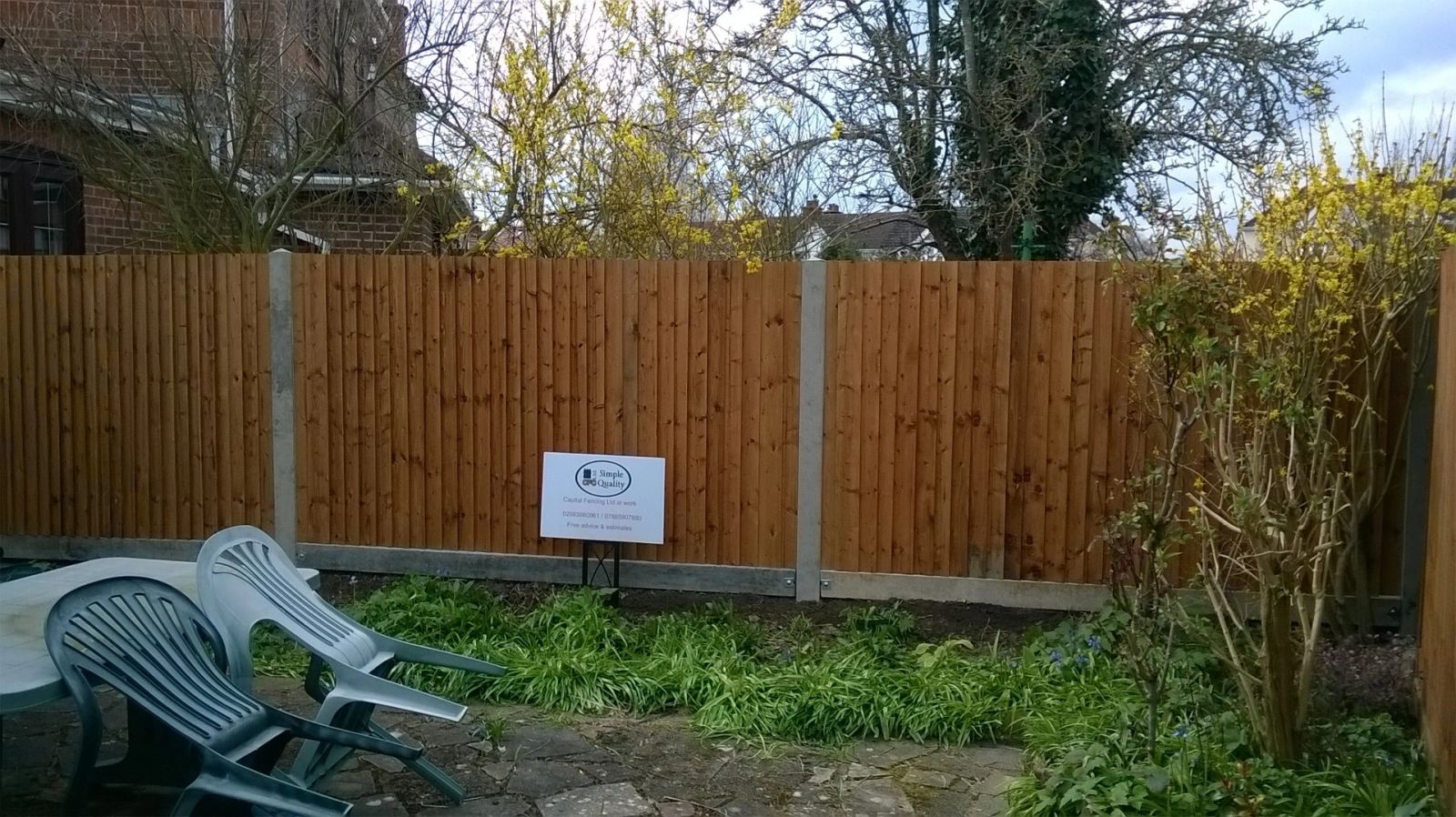
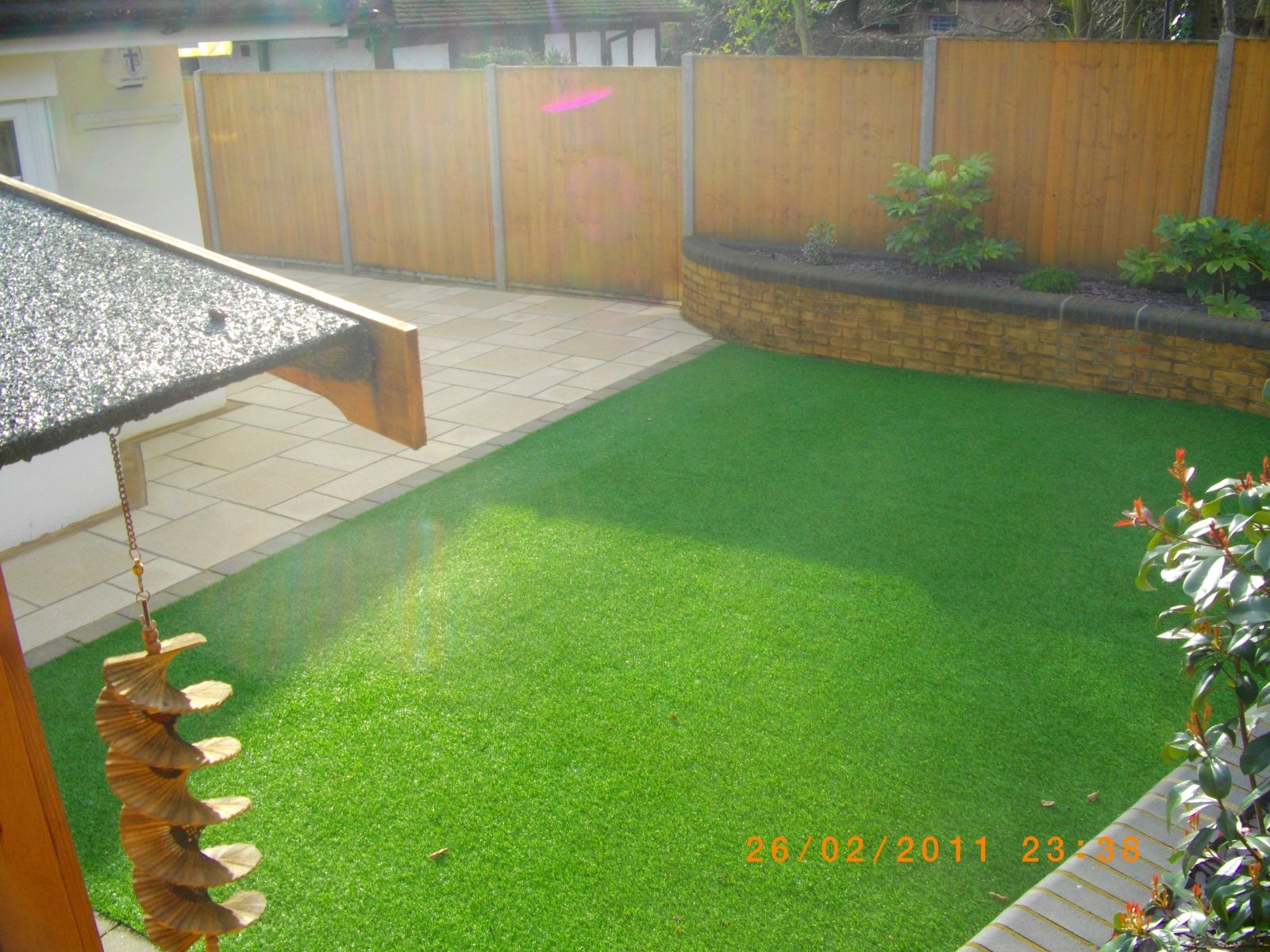
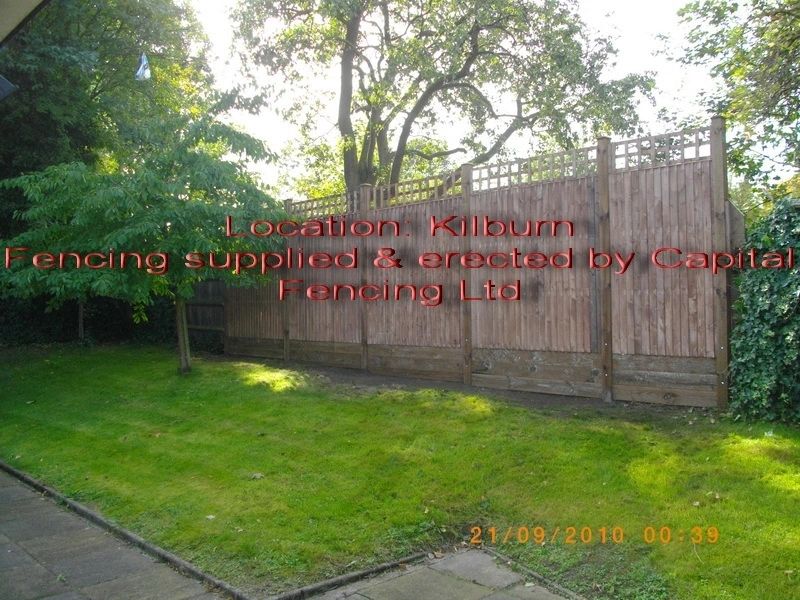
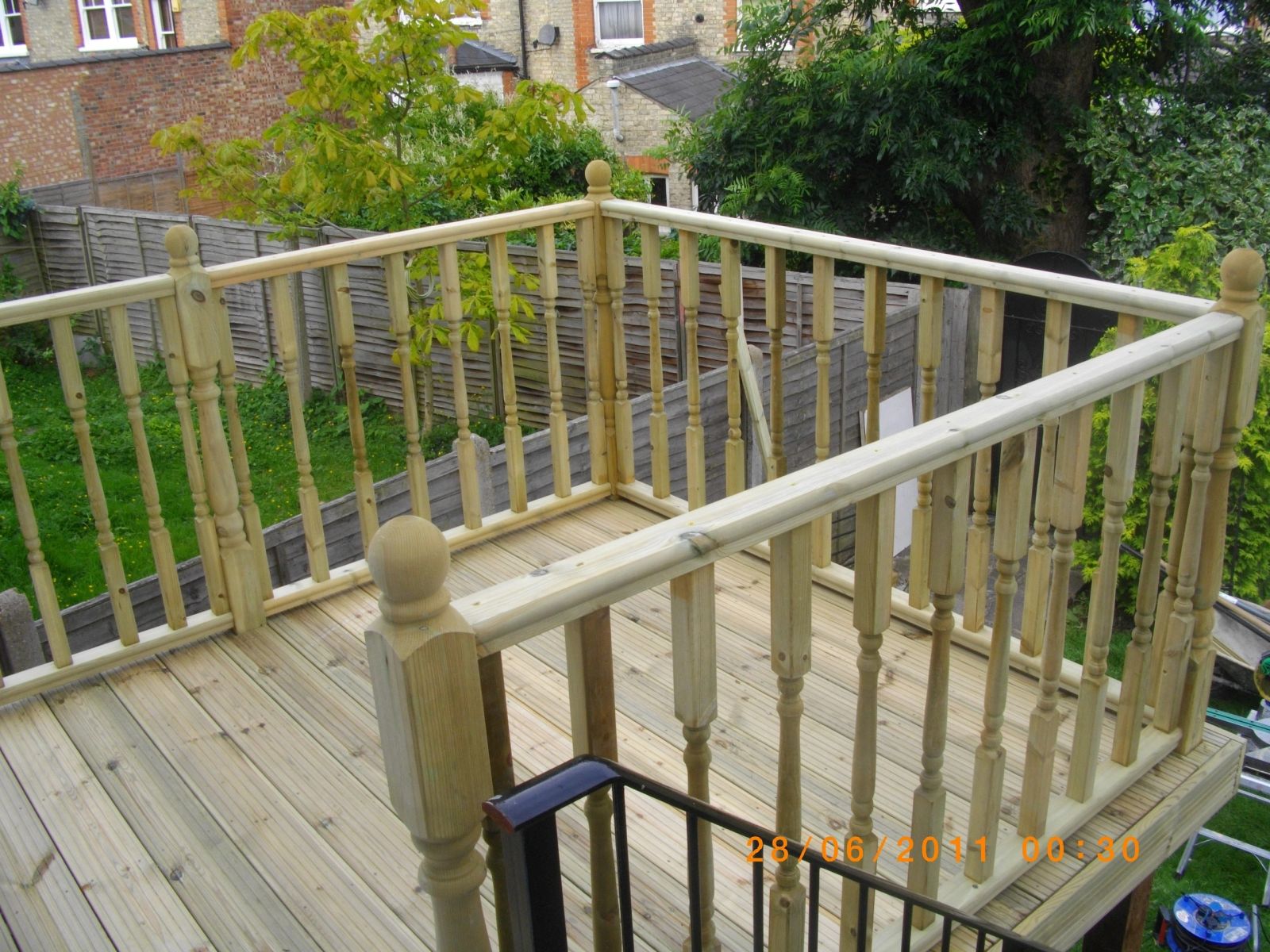
Capital Fencing project in Stevenage Old Town, SG1Capital Fencing project in Stevenage Old Town, SG1Capital Fencing project in Stevenage Old Town, SG1

A602 runs through this pocket, with Stevenage (East Coast) nearby. Stainless fixings in exposed positions: Stainless steel fixings resist corrosion better than galvanised equivalents and don't leave the dark rust streaks that a failing galvanised screw head can bleed into pale or oiled timber. They're specified more selectively than as a blanket upgrade, typically on coastal or otherwise highly exposed sites, on hardwood where tannins react badly with ordinary galvanised steel, or on visible ironmongery where staining would be obvious. Post-war estates and uniform frontages: Post-war council and private estates were often built with a consistent low front boundary — dwarf wall, hedge or short picket — as part of the original street design, and some retain a restrictive covenant or estate management scheme controlling what can replace it.

Get In Touch

Get My Free Quote — 24h Response

No callout fee · Free site visit · Friendly local team covering London & Hertfordshire.

Request a Free Quote

We'll get back to you within 24 hours.

Free Site Visit No Callout Fee
Call WhatsAppQuote