London & Hertfordshire Free Site Visit
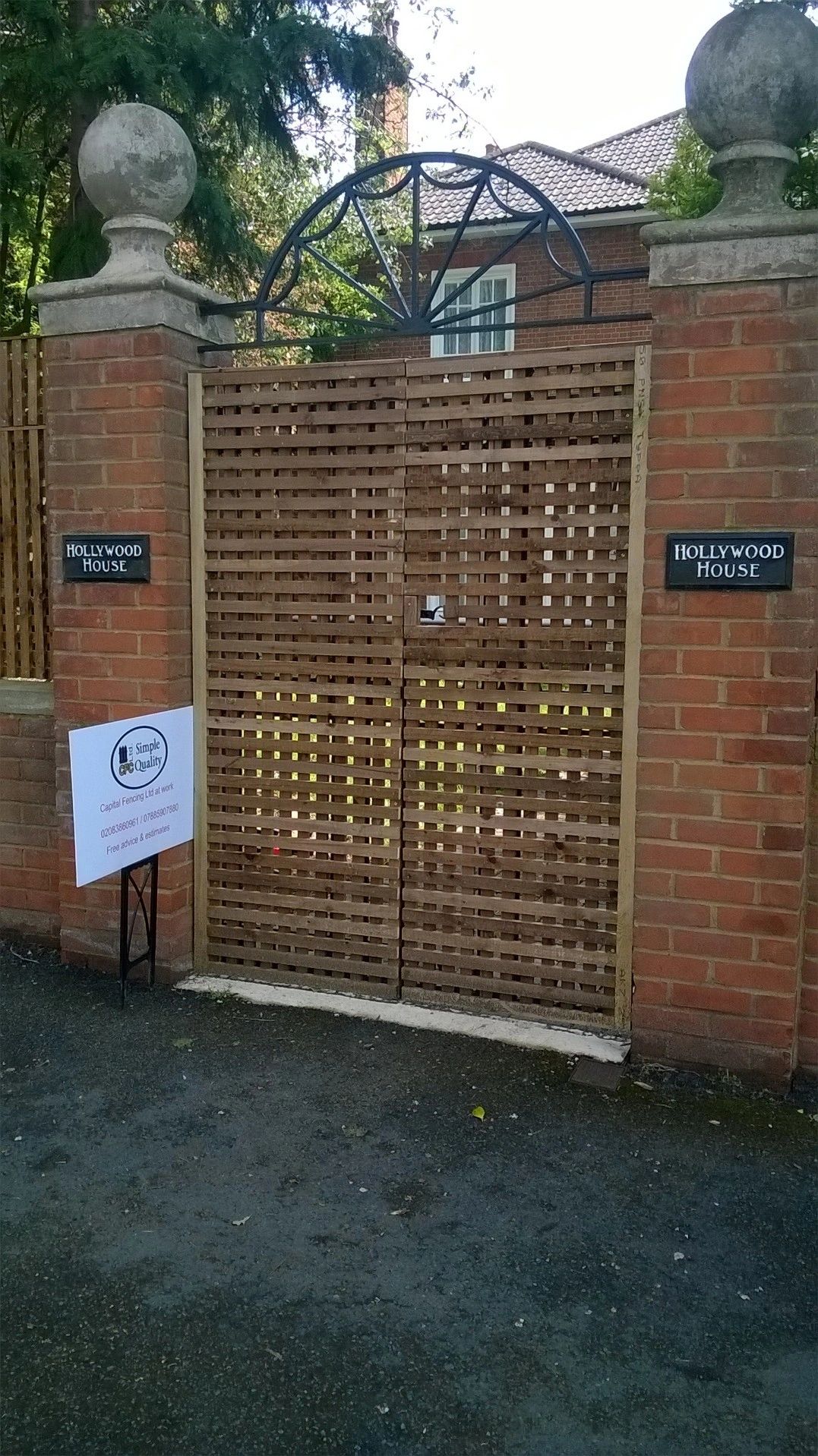
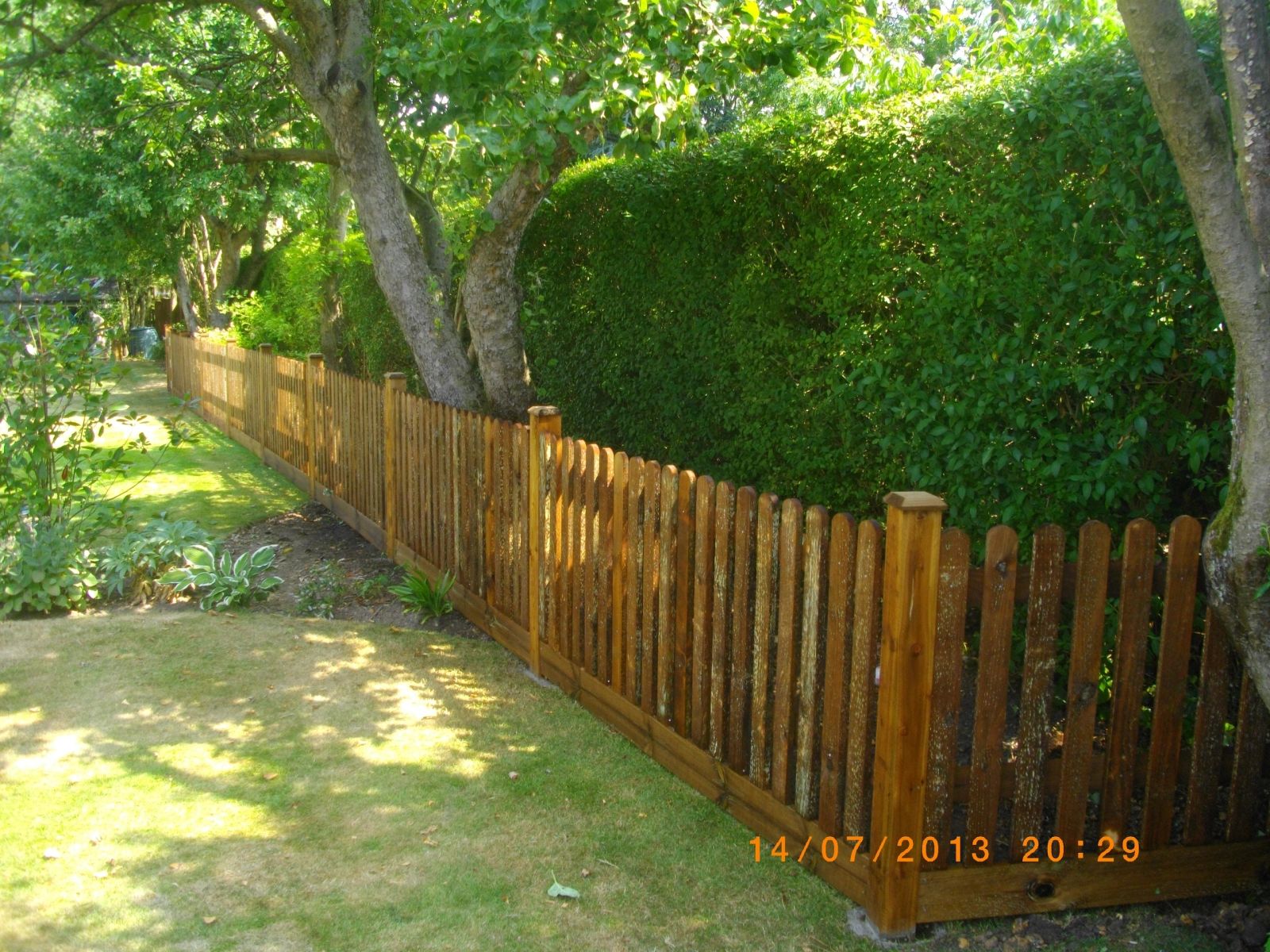
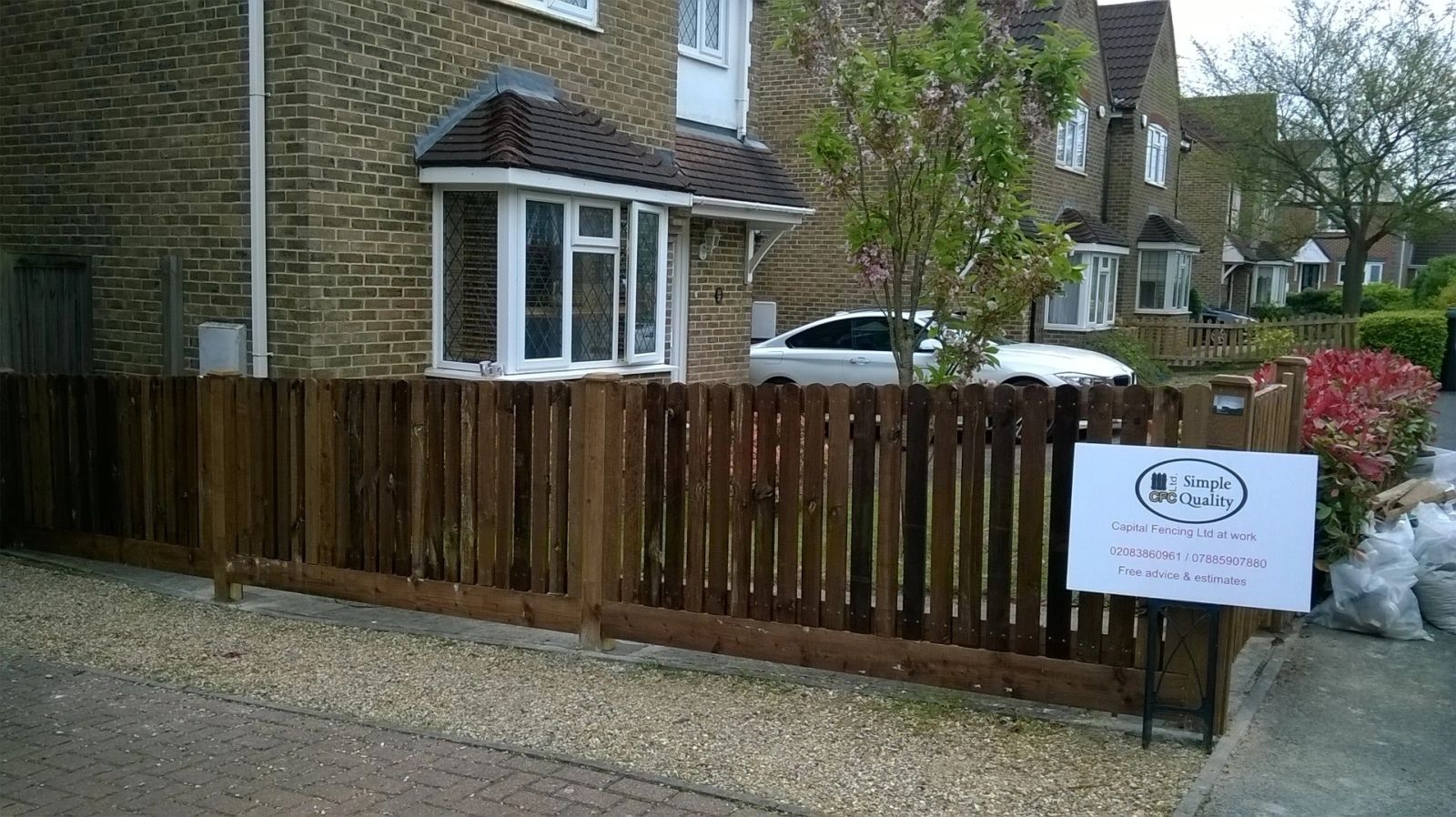
closeboard fence run installed by Capital Fencing in Edgware (HA8)
Edgware · HA8

Commercial Yard Fencing in Edgware (HA8)

Capital Fencing installs commercial yard fencing across Edgware and out toward mill hill and bushey. What separates a commercial yard fencing job from a standard boundary is the detail: 2.4m palisade perimeter with anti-climb spike and matching double vehicle gates. That's the work, not the marketing. Roads such as Station Road and Edgwarebury Lane are typical of the local layout. Stonegrove Park is a useful local reference point. The A5, running through the town, follows the route of the Roman Watling Street.

Capital Fencing installs commercial yard fencing across Edgware and out toward mill hill and bushey. What separates a commercial yard fencing job from a standard boundary is the detail: 2.4m palisade perimeter with anti-climb spike and matching double vehicle gates. That's the work, not the marketing. Roads such as Station Road and Edgwarebury Lane are typical of the local layout. Stonegrove Park is a useful local reference point. The A5, running through the town, follows the route of the Roman Watling Street.

What goes wrong

Common failure modes on commercial yard fencing

  • specifying domestic-grade hinges on a gate opening 40 times a day — six-month failure
  • not accounting for the fork-lift or delivery vehicle turning circle — the corner post gets clipped in month one
Default spec

How we build commercial yard fencing in Edgware

2.4m palisade or 358 weld-mesh, hot-dip galvanised then RAL-coded powder-coat, concrete-set 100SHS or 76CHS line posts. On Edgware jobs we adjust for side-return access on edgware semis is genuinely narrow — long panels often have to come up over the garage.

Property mix locally: 1930s semis built around the Tube extension, plus newer flats near the town centre. Typical gardens: rectangular suburban gardens, mostly flat, often with mature fruit trees. Postcodes we regularly service: HA8.

Why this spec, for trade yards, self-storage sites, workshops and small industrial units

  • hot-dip galvanised then powder-coated finishes carry a 25-year service life on a working yard
  • gate posts sized for daily commercial cycle counts rather than domestic once-a-day operation
  • we co-ordinate with the alarm and CCTV installer so cabling routes through the posts, not around them

Typical commercial yard fencing briefs in Edgware

  • 358 weld-mesh perimeter with CCTV pole mounts integrated into the line posts
  • hoop-top mesh around a client-visitor forecourt where palisade would look wrong

Commercial Yard Fencing FAQs — Edgware

What's the lead time on made-to-measure commercial gates?

On commercial yard fencing jobs in Edgware (HA8), our default answer is: 2.4m palisade or 358 weld-mesh, hot-dip galvanised then RAL-coded powder-coat, concrete-set 100SHS or 76CHS line posts. The honest trade-off is specifying domestic-grade hinges on a gate opening 40 times a day — six-month failure — which is exactly what our default spec designs out.

Can you integrate CCTV poles into the fence line?

Across Edgware we spec around side-return access on edgware semis is genuinely narrow — long panels often have to come up over the garage, so on commercial yard fencing that usually means palisade for hard perimeter security. The honest trade-off is specifying domestic-grade hinges on a gate opening 40 times a day — six-month failure — which is exactly what our default spec designs out.

Can you match an existing colour on my other units?

Barnet coverage means we can survey most HA8 addresses inside a week — trade yards, self-storage sites, workshops and small industrial units. We'll walk you through hot-dip galvanised then powder-coated finishes carry a 25-year service life on a working yard on the site visit before you commit.

Do you provide out-of-hours install for occupied sites?

Practically: 2.4m palisade perimeter with anti-climb spike and matching double vehicle gates. That's the Edgware version of this job, not a generic one. For context: gate posts sized for daily commercial cycle counts rather than domestic once-a-day operation. Hot-dip galvanised, RAL-coded and installed to a 25-year service life.

How long does hot-dip galvanised fencing last on a working yard?

On commercial yard fencing jobs in Edgware (HA8), our default answer is: 2.4m palisade or 358 weld-mesh, hot-dip galvanised then RAL-coded powder-coat, concrete-set 100SHS or 76CHS line posts. For context: gate posts sized for daily commercial cycle counts rather than domestic once-a-day operation. Hot-dip galvanised, RAL-coded and installed to a 25-year service life.

Recent commercial yard fencing work
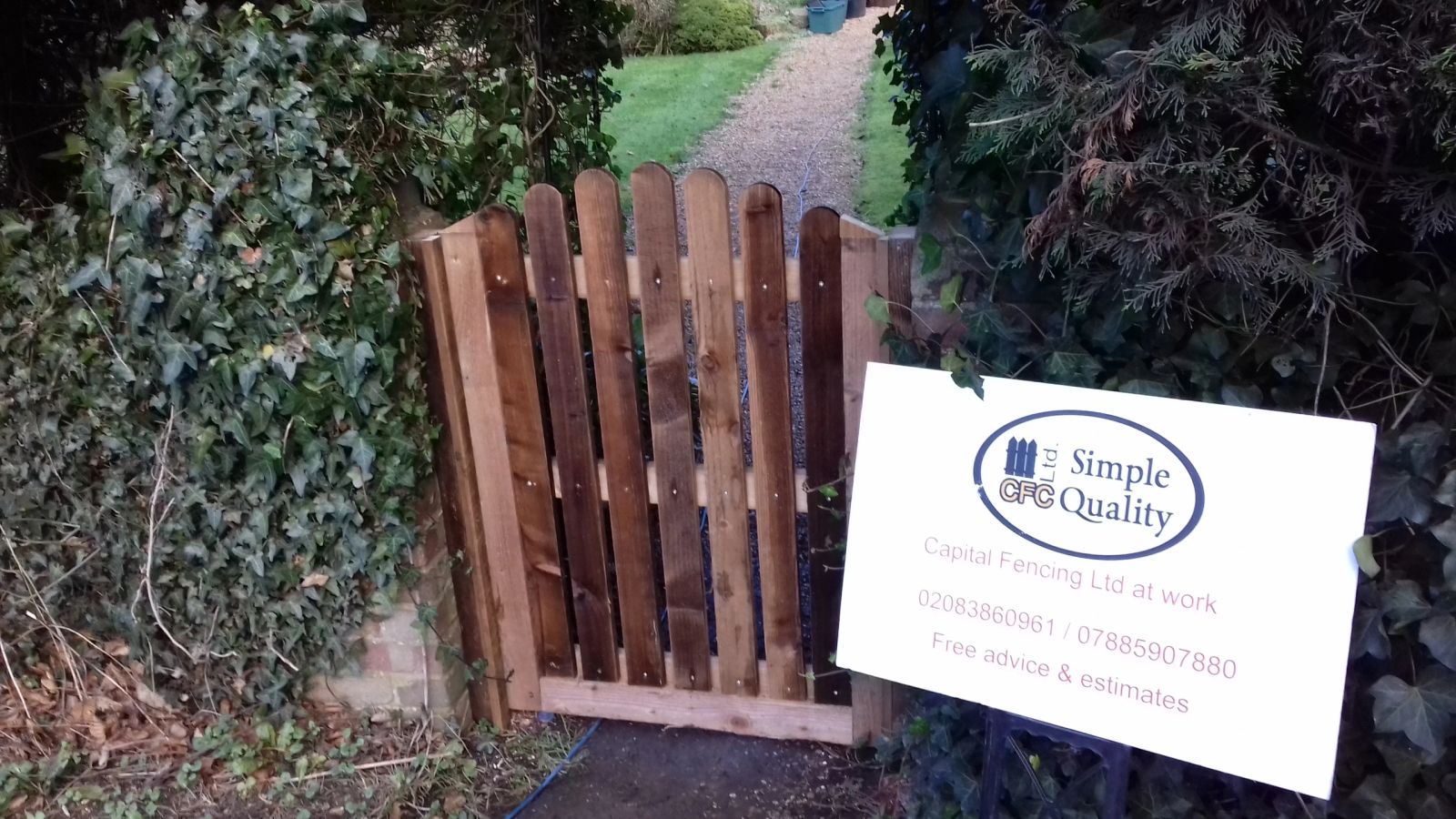
closeboard fence run installed by Capital Fencing in Edgware (HA8)panel fence install installed by Capital Fencing in Edgware (HA8)trellis-topped fence installed by Capital Fencing in Edgware (HA8)bespoke decorative fence installed by Capital Fencing in Edgware (HA8)

What actually matters for commercial yard fencing around Edgware

Simple maintenance that prevents gate failure

Checking hinge screws are still tight and that the gate still closes flush against the frame once or twice a year catches the early stages of sag before it becomes a full repair job.

A gate that's starting to catch on the ground is far cheaper to fix at that stage than after the frame has racked further out of square.

Resin bleed from softwood

Softwoods such as pine and spruce contain resin pockets that can continue to weep sticky sap for months after installation, especially on timber that's been kiln-dried quickly or exposed to strong summer sun.

Resin bleed shows up as a darkened, tacky patch on the surface and can telegraph through paint or stain if the timber isn't left to stabilise, or if a sealer coat isn't applied over the affected area first.

It's a cosmetic issue rather than a durability one, and it typically resolves itself as the timber fully seasons, though staining over an active resin pocket without treating it first often needs redoing.

Made ground and buried rubble

Plots built on old industrial land, demolished outbuildings or infilled yards often have a layer of brick, concrete or hardcore sitting a foot or two down rather than natural subsoil.

An auger that hits rubble at 300-400mm usually means hand-digging or breaking out that layer rather than fighting it, because a post set on top of loose fill will rock within a year regardless of how much concrete goes round it.

It's worth budgeting extra time for this on any plot with a known history of redevelopment, rather than assuming a standard dig will go to plan.

Tall fences, shading and neighbour relations

A tall boundary fence can significantly shade a neighbouring garden depending on orientation, and while there's no general legal right to a set amount of sunlight in a garden, an unusually tall or dark structure close to a shared boundary is a common source of neighbour friction.

Slatted, louvred or partially open designs let some light and air through while still giving privacy, which is often a reasonable middle ground where a fully solid fence would cause a shading complaint.

Discussing height and design with an affected neighbour before building, even where there's no legal requirement to, tends to avoid a dispute that a technically-compliant fence wouldn't otherwise resolve.

Secure by Design principles for boundaries

Secure by Design is a police-backed set of principles covering layout, lighting, sightlines and boundary treatment that developments are assessed against, and fencing specification is one part of meeting it.

Applying the principles generally means avoiding blind corners, keeping sightlines open where surveillance matters, and using proportionate rather than maximum height and solidity on each boundary.

Waterlogged clay and accelerated post rot

Heavy clay that holds standing water around the base of a post keeps the timber saturated for long periods, which is the single biggest driver of rot at ground level regardless of how well the timber was treated.

The visible sign is usually a post that snaps cleanly at or just below ground level while the section above ground still looks sound, because that is exactly where moisture content stays highest for longest.

A free-draining stone key at the base of the hole, rather than a solid concrete collar with no escape for water, reduces how long the timber sits wet after rain.

Highways not yet adopted on newer estates

On newer housing estates, roads and footways can remain unadopted by the council for a period after construction, sometimes maintained instead under a bond by the developer.

This can affect whether the 1m road-facing fence height limit strictly applies yet in the same way, since the technical definition of a highway used by vehicles depends partly on adoption status.

Checking with the council whether a specific new estate's roads have been formally adopted is worth doing before assuming which height limit applies to a road-facing boundary.

Boundary fencing near basement lightwells

Properties with a basement lightwell or sunken front area need fencing or railings around the opening itself for safety, independent of the main boundary treatment facing the street.

Post foundations for a fence running close to a lightwell need checking against the lightwell's own retaining structure, since digging a standard post hole too close to an unsupported excavation edge risks undermining it.

Drainage from a raised boundary or planting bed above a lightwell also needs directing away from the opening, since a fence that funnels rainwater toward a basement window is a bigger problem than the fence itself.

Trellis toppers and wind load

A trellis topper adds height to an existing or new fence — commonly for climbing plants or extra privacy — and because it's open lattice rather than solid boarding it adds relatively little wind load for the height gained.

That's useful on boundaries close to the 2m permitted development limit, where a solid panel extension would push both height and wind loading up together, but it only works if the topper is genuinely open lattice rather than a solid infill dressed up as trellis.

Fixing a topper to an old or undersized post rather than the fence itself is the most common reason toppers come loose, since the extra leverage at height needs a post that was sized for it from the start.

Trellis toppers and additional wind load

Adding a trellis topper to increase privacy height also increases the wind load a fence has to carry, since even open lattice trellis catches more air than its slim appearance suggests, especially once climbing plants fill in the gaps.

Posts sized correctly for a 1.8m panel don't automatically have the reserve strength for panel-plus-trellis at 2.1m or more, particularly on an exposed run.

Where a taller finished height is wanted, it's worth specifying posts for the full combined height from the outset rather than treating the trellis as a lightweight afterthought bolted to the top.

Fixing a fence or gate to a neighbour's wall

Attaching a new fence panel, gate post or trellis to a wall that belongs solely to a neighbour is a trespass unless they've agreed to it, even where the fixing itself is small and reversible like a single bracket.

Where a wall is genuinely shared or in unclear ownership, written agreement before drilling avoids disputes later, particularly since removing a fixing can leave visible damage the wall owner didn't consent to.

The safer default on an unclear boundary is a free-standing post set just inside the client's own land, rather than relying on an existing structure whose ownership hasn't been confirmed.

Patching a section of mesh that has been cut or torn

A cut or torn section of chain-link or welded mesh is normally patched by weaving or wiring in a new panel of matching mesh gauge rather than trying to splice the damaged wires back together.

Matching wire gauge and mesh aperture matters for security fencing, since a patch in a coarser gauge than the surrounding mesh is both visibly obvious and a weaker point than the rest of the run.

Matching a railing gate to adjacent railings

A gate set into a run of metal railings needs its bar spacing, finial style and rail heights to match the railings either side, otherwise the opening reads as an obvious later addition rather than part of the original run.

Repro railing gate sections are available in standard spacings, but an older or bespoke railing run sometimes needs a gate made to match rather than bought off the shelf.

Letterbox and parcel provision in a secure gate

A fully secured pedestrian gate can leave deliveries with nowhere to leave post or parcels, so a secure gate-mounted letterbox or a parcel box positioned outside the locked line is worth planning at design stage.

Positioning it so it can be reached without opening the gate keeps the boundary genuinely closed while still allowing routine deliveries.

Checking wall coping condition before fixing into it

Coping stones or brick-on-edge capping along the top of a garden wall are often loosely bedded rather than solidly fixed, so drilling or clamping a fence post bracket into coping without checking it first can dislodge the coping itself.

A quick check by hand-pressure on each coping unit along the intended fixing line identifies any that are already loose, which is worth doing before committing to that wall as a fixing point at all.

Where coping is sound, spreading the fixing load across a bracket plate rather than a single point fixing reduces the chance of cracking the coping under wind load on the panels above.

Water ingress at the bottom rail

The bottom rail of a gate sits closest to splash-back from the ground and holds moisture longer than any other part of the frame, making it the most common place for rot to start on an otherwise sound gate.

Where a repair addresses bottom-rail rot, raising ground clearance slightly or improving drainage underneath is worth doing at the same time to slow the same failure recurring.

Wheelbarrow routes and lawn protection

Moving concrete, gravel boards and spoil across a lawn on a wet day can leave rutting that lasts the rest of the season, particularly on clay soils that compact easily underfoot.

Boards or trackway laid along the barrow route spread the load and are a cheap precaution compared with reinstating a churned-up lawn afterwards.

Planning the route to cross the lawn at its narrowest point, or using a hard surface where one exists, reduces the area affected without slowing the job down.

Communal gate access arrangements for allotment sites

An allotment site's perimeter fence is usually a lower-cost stock or mesh fence given the modest value at risk, but the communal access gate often gets a disproportionately stronger lock and hinge set, since it's the single point every plot holder and any opportunist intruder both have to pass through.

A keypad or coded padlock at the shared gate avoids the administrative burden of cutting and distributing individual keys to a changing list of plot holders over time.

Keeping mortice depth consistent across a run of timber posts

Hand-cut mortices in timber posts can vary slightly in depth from post to post if they're cut freehand rather than to a fixed jig or depth stop, which then shows up as a rail sitting at a slightly different height at each junction.

A simple depth stop clamped to the chisel or drill bit, checked against the first mortice cut, keeps every subsequent one consistent without needing to measure each one individually from scratch.

Checking a sample rail against several mortices before committing to cutting the whole run confirms the depth is right before the error, if there is one, has been repeated across every post.

Replacing a post without dismantling the whole run

A single post can often be replaced by supporting the panels either side on temporary props, cutting the old post out at ground level, and fitting the new post into a fresh footing without lifting the neighbouring panels out.

This depends on the panel fixing type — nailed panels are harder to free without damage than panels held with clips or brackets, which come apart more cleanly.

Fixing a fence run to an existing masonry wall

Tying a timber fence into an existing brick or block wall usually means fixing a timber post or batten flat to the wall face with masonry bolts or heavy-duty frame fixings rather than digging a post hole hard against the footing.

The wall's own condition matters before any fixing goes in — loose pointing, spalled brick faces or a wall already leaning shouldn't be relied on to carry lateral load from a fence panel.

Where the wall belongs to a neighbour or is shared, fixing into it without agreement can be a boundary matter in its own right, separate from the fencing work itself.

Tree proximity and root-safe post positions

Digging a post hole through a tree's root protection area can damage roots enough to destabilise the tree or trigger a preservation order breach, so post positions are offset or moved to hand-dug, narrower holes where a root is found.

A boundary running close to a protected tree is checked against its root spread before any layout is finalised, rather than adjusted only once digging hits a problem.

On commercial yard fencing in Edgware you get the same crew from first site visit to hand-over. That's the whole model — small team, operational-grade spec, written quote before we start. Roads such as High Street and Whitchurch Lane are typical of the local layout. Stonegrove Park is a useful local reference point. The A5, running through the town, follows the route of the Roman Watling Street.

Get In Touch

Get My Free Quote — 24h Response

No callout fee · Free site visit · Friendly local team covering London & Hertfordshire.

Call us
07885907880
or 02036484746
Email
capital_fencing@yahoo.com
WhatsApp
Message us anytime
Area
London & Hertfordshire
Payment
Card payments accepted

Pay by debit or credit card, bank transfer or cash once the work and price are agreed. No deposit taken online.

Request a Free Quote

We'll get back to you within 24 hours.

Free Site Visit No Callout Fee
Call WhatsAppQuote