London & Hertfordshire Free Site Visit
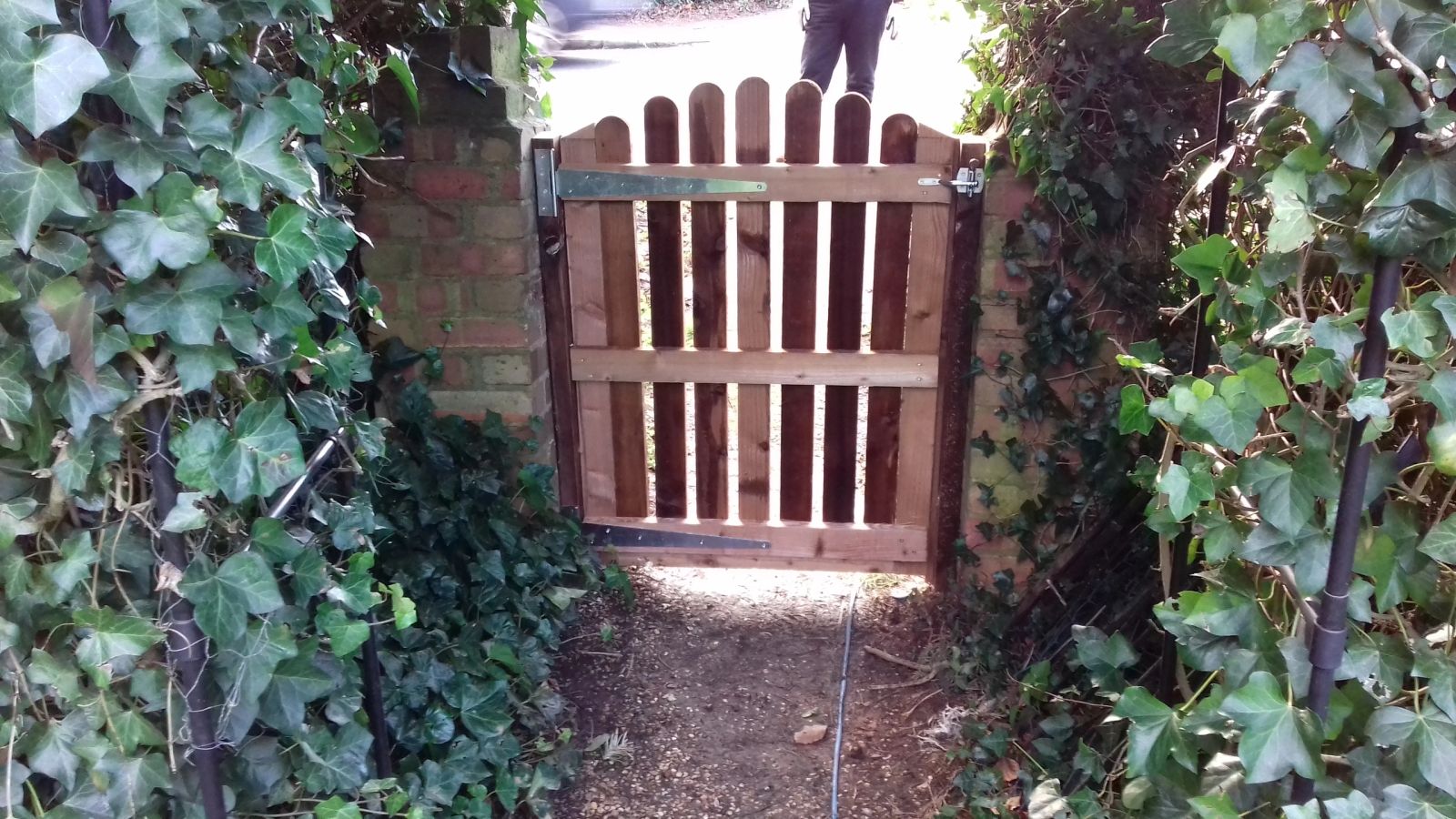
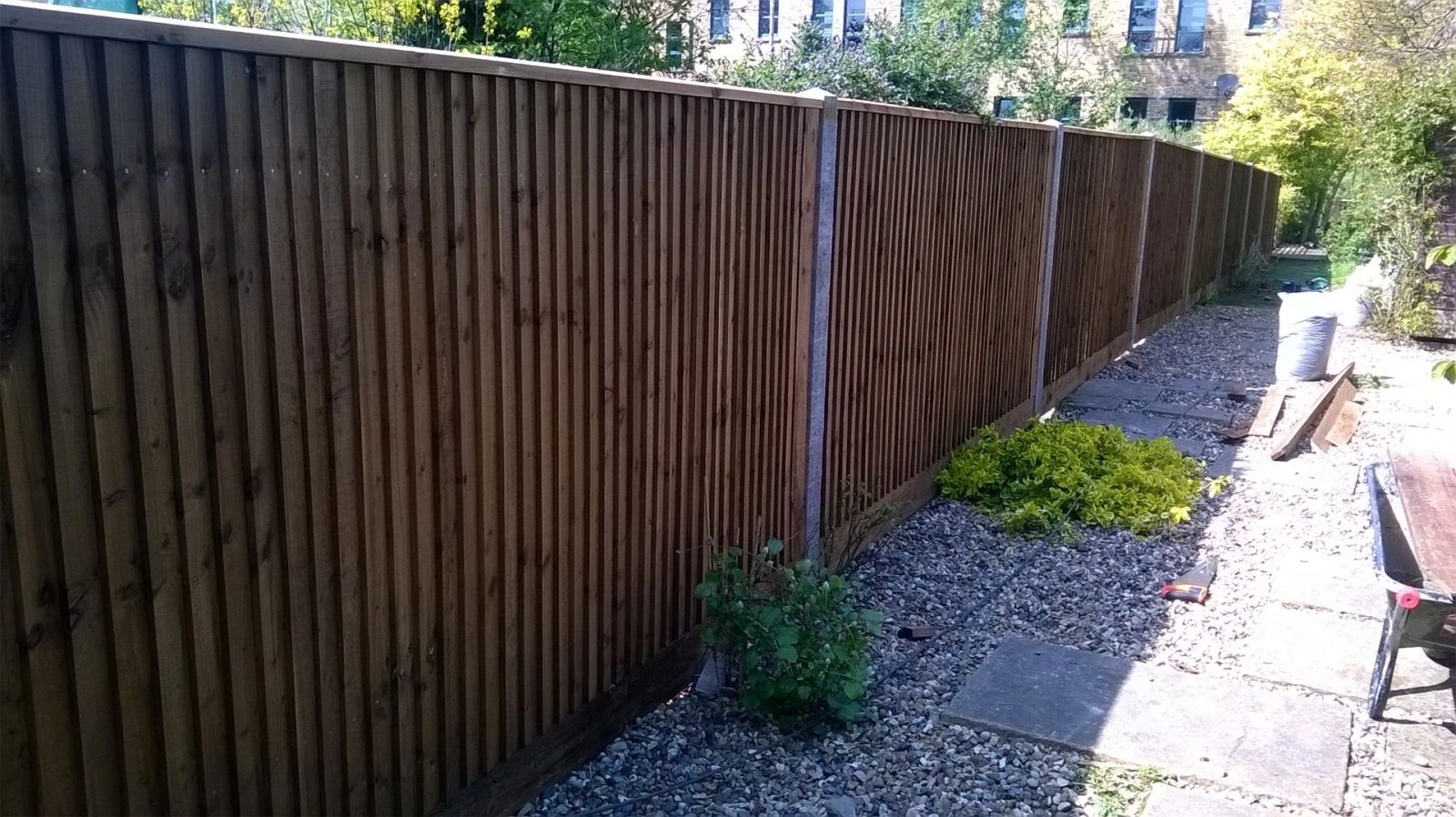
closeboard fence run installed by Capital Fencing in Hoddesdon (EN11)
Hoddesdon · EN11

Commercial Yard Fencing in Hoddesdon (EN11)

If you're weighing commercial yard fencing for a property in Hoddesdon, the first thing that matters is daily cycle counts, vehicle turning circles and CCTV integration — not the material choice. Once that's settled, palisade for hard perimeter security is where most of our commercial yard fencing work in EN11 lands, with 358 weld-mesh where visibility and anti-cut both matter as a considered alternative. Roads such as Burford Street and High Street are typical of the local layout. Spitalbrook slipway is a useful local reference point. Broxbourne Council maintains tree protection orders across much of Essex Road and Middlefield Road.

If you're weighing commercial yard fencing for a property in Hoddesdon, the first thing that matters is daily cycle counts, vehicle turning circles and CCTV integration — not the material choice. Once that's settled, palisade for hard perimeter security is where most of our commercial yard fencing work in EN11 lands, with 358 weld-mesh where visibility and anti-cut both matter as a considered alternative. Roads such as Burford Street and High Street are typical of the local layout. Spitalbrook slipway is a useful local reference point. Broxbourne Council maintains tree protection orders across much of Essex Road and Middlefield Road.

Default spec

How we build commercial yard fencing in Hoddesdon

2.4m palisade or 358 weld-mesh, hot-dip galvanised then RAL-coded powder-coat, concrete-set 100SHS or 76CHS line posts. On Hoddesdon jobs we adjust for older fence runs in the old town often hide rotted posts under cement skirts — full removal is usually required.

Property mix locally: 1930s and 1950s semis, with Victorian cottages toward the Old Town. Typical gardens: mid-sized flat gardens; properties near Rye Park often have direct alley access. Postcodes we regularly service: EN11.

Why this spec, for trade yards, self-storage sites, workshops and small industrial units

  • hot-dip galvanised then powder-coated finishes carry a 25-year service life on a working yard
  • gate posts sized for daily commercial cycle counts rather than domestic once-a-day operation
  • we co-ordinate with the alarm and CCTV installer so cabling routes through the posts, not around them

Where commercial yard fencing isn't the right answer

  • premises with a landlord who prohibits perimeter modifications without formal Section 26 notice
  • client-visitor frontages where a soft timber-fronted boundary is on brand and palisade isn't

Typical commercial yard fencing briefs in Hoddesdon

  • 358 weld-mesh perimeter with CCTV pole mounts integrated into the line posts
  • 2.4m palisade perimeter with anti-climb spike and matching double vehicle gates

Commercial Yard Fencing FAQs — Hoddesdon

Do you carry public liability suitable for occupied commercial sites?

On commercial yard fencing jobs in Hoddesdon (EN11), our default answer is: 2.4m palisade or 358 weld-mesh, hot-dip galvanised then RAL-coded powder-coat, concrete-set 100SHS or 76CHS line posts. We'll walk you through hot-dip galvanised then powder-coated finishes carry a 25-year service life on a working yard on the site visit before you commit.

How long does hot-dip galvanised fencing last on a working yard?

Across Hoddesdon we spec around older fence runs in the old town often hide rotted posts under cement skirts — full removal is usually required, so on commercial yard fencing that usually means palisade for hard perimeter security. We'll walk you through hot-dip galvanised then powder-coated finishes carry a 25-year service life on a working yard on the site visit before you commit.

Do you provide out-of-hours install for occupied sites?

Broxbourne Borough coverage means we can survey most EN11 addresses inside a week — trade yards, self-storage sites, workshops and small industrial units. For context: gate posts sized for daily commercial cycle counts rather than domestic once-a-day operation. Hot-dip galvanised, RAL-coded and installed to a 25-year service life.

Palisade or weld-mesh — which fits my site?

Practically: 2.4m palisade perimeter with anti-climb spike and matching double vehicle gates. That's the Hoddesdon version of this job, not a generic one. The honest trade-off is specifying domestic-grade hinges on a gate opening 40 times a day — six-month failure — which is exactly what our default spec designs out.

Can you match an existing colour on my other units?

On commercial yard fencing jobs in Hoddesdon (EN11), our default answer is: 2.4m palisade or 358 weld-mesh, hot-dip galvanised then RAL-coded powder-coat, concrete-set 100SHS or 76CHS line posts. The honest trade-off is specifying domestic-grade hinges on a gate opening 40 times a day — six-month failure — which is exactly what our default spec designs out.

Recent commercial yard fencing work
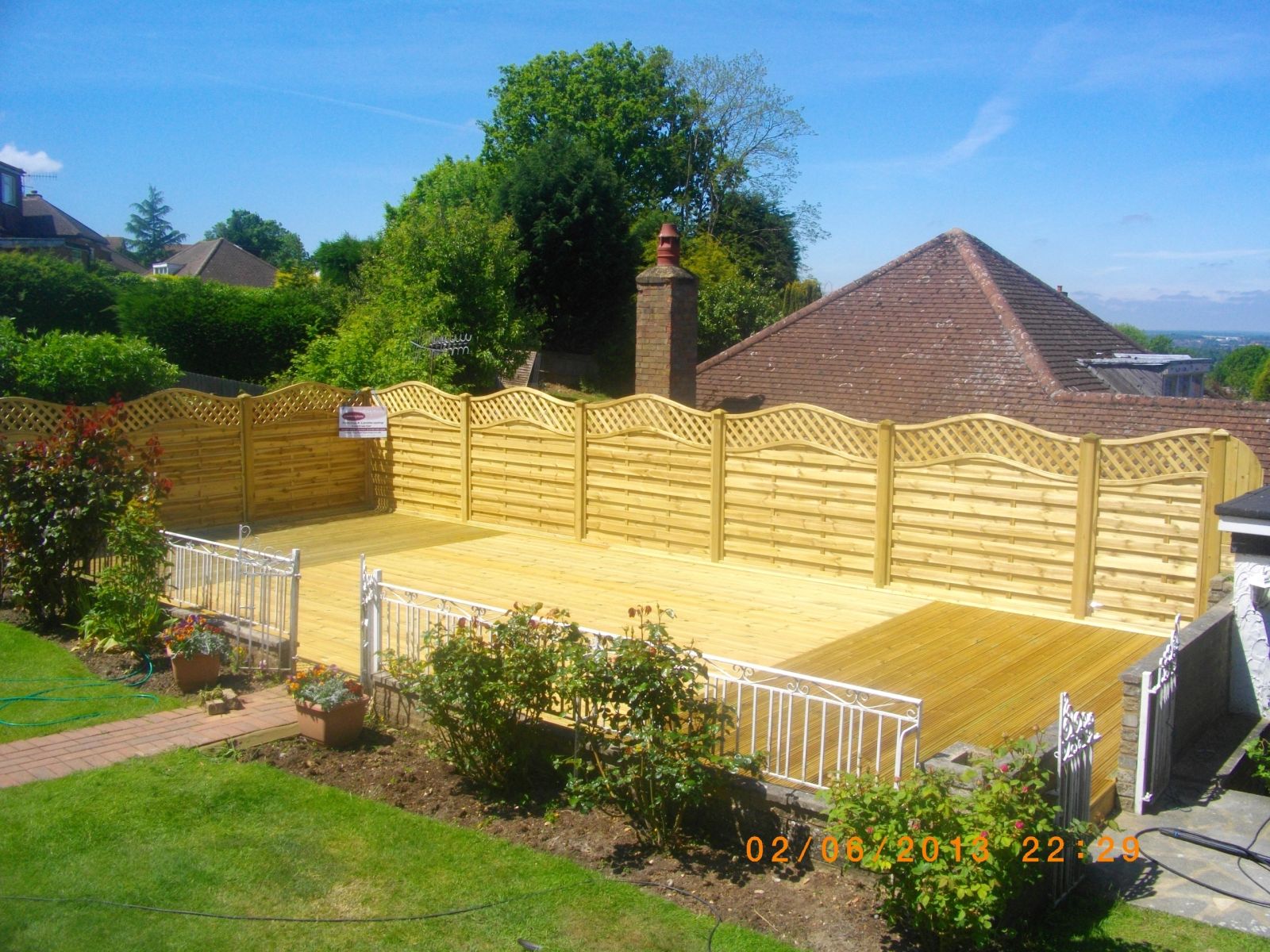
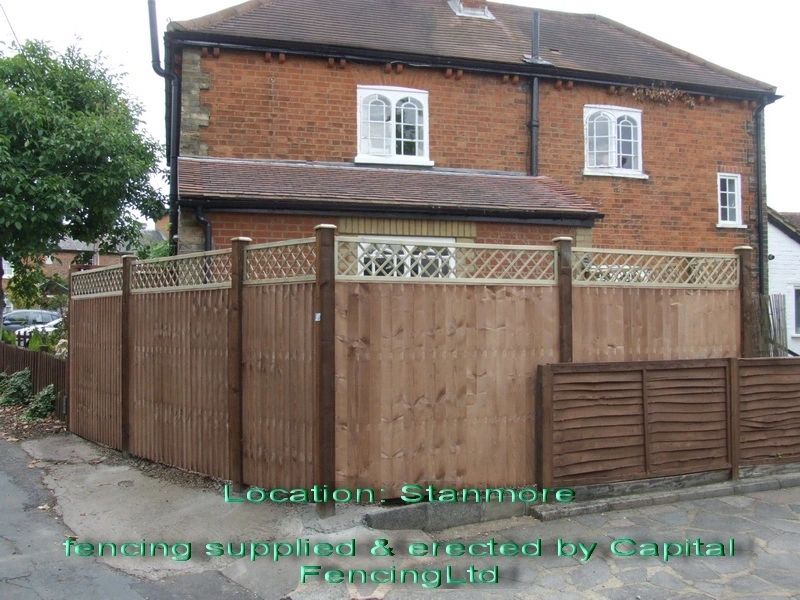
closeboard fence run installed by Capital Fencing in Hoddesdon (EN11)panel fence install installed by Capital Fencing in Hoddesdon (EN11)trellis-topped fence installed by Capital Fencing in Hoddesdon (EN11)bespoke decorative fence installed by Capital Fencing in Hoddesdon (EN11)

Commercial Yard Fencing in Hoddesdon: the practical detail

Removing an old boundary before the new one goes in

Old fencing, damaged palisade or rusted mesh is cleared and taken off site as part of the job rather than left for the client to deal with, and any concrete post stumps are broken out where the new line needs a fresh, sound base rather than being built around old debris.

Where a section is genuinely sound we'll say so and reuse it rather than clearing it needlessly.

Talking to neighbours before you start

A shared boundary fence, even one that's entirely your responsibility to maintain, sits next to someone else's garden — giving a neighbour advance notice of the height, style and timing of the work heads off most disputes before they start.

Where a fence straddles the boundary line exactly, both parties technically have an interest in it, and a quick written note agreeing who's paying for what avoids a much longer argument later if it needs replacing again.

This isn't a formal Party Wall Act process — that applies to structures like walls between buildings — but the same basic courtesy of clear, written communication before work starts applies just as well to garden boundaries.

Terraced housing and rear access

Victorian and Edwardian terraces were rarely built with side access, which means materials for a rear garden fence often have to go through the house, over a shared side return, or down a narrow rear alley shared with several other properties.

That access constraint changes the practical choice of materials — full concrete gravel boards and long panels are harder to move through a narrow hallway than shorter timber sections carried in and built up on site.

It's also why timing matters on these jobs: a delivery that blocks a shared alley for half a day needs agreeing with neighbours in advance, not discovering on the morning of the job.

What a like-for-like quote comparison should include

Two quotes for what looks like the same job can differ significantly once post spacing, timber grade, gravel board inclusion, waste removal and warranty terms are properly compared line by line rather than just as a single headline figure.

A cheaper quote that's silent on post spacing or omits gravel boards and waste removal often isn't actually cheaper once those items are added back in to match a more detailed competing quote.

Asking each quote to specify the same checklist of items — materials, spacing, base type, removal, and what's covered afterwards — is the most reliable way to compare on a level footing.

Drop bolts and ground sockets

A drop bolt fixed to the bottom rail of a leaf drops into a ground socket to hold that leaf still while the other leaf is used for daily access, and a socket that's silted up or out of alignment is a common reason a drop bolt stops locating properly.

We check the socket depth and drainage as well as the bolt itself, since a blocked socket is often mistaken for a bent or worn bolt.

Drainage easements running under a fence line

Some boundaries have a formal drainage easement recorded against the title, protecting a buried pipe or watercourse that a neighbouring property has the right to maintain access to.

Fence posts set directly over or immediately alongside a protected drainage run can technically breach the terms of the easement even if the pipe itself isn't damaged during installation.

Checking the title register, and asking the water company to confirm any known drainage records, is sensible before digging post holes on an older plot with an unclear drainage history.

Gate hinge material and load ratings

Gate hinges are rated by the load they can bear without excessive wear or sag, and that rating depends on the hinge's material, its pin diameter and the bearing surface area between the moving parts.

A heavy timber gate on a lightweight hinge designed for a garden gate will wear the pin and bushing far faster than the same hinge on a lighter gate, eventually developing a visible droop at the latch side.

Stainless steel or greased bronze bushings resist wear better than plain steel-on-steel hinges, particularly on gates opened frequently, where repeated friction is the main driver of hinge wear rather than corrosion.

Covenants restricting side and rear fence height

Some estates carry covenants limiting side or rear boundary fence height below the normal 2m permitted development figure, often to preserve sightlines or a particular street character.

These restrictions are private and enforced separately from planning law, meaning a fence could comply fully with planning rules and still breach the estate's covenant.

It's worth checking the title register for this kind of restriction on any estate where neighbouring gardens seem to share an unusually consistent boundary height.

Recognising hinge wear before a gate fails

A gate that's begun to drop at the latch side, or that needs lifting to engage the latch, is usually showing hinge pin or bush wear rather than a problem with the gate frame itself, and catching it at this stage is a simple pin or bush replacement rather than a full hinge rebuild.

Left unaddressed, a worn hinge puts increasing strain on the hinge post fixing as the gate's weight is carried at an angle rather than square, which can eventually work the post loose as well.

Timber sourcing and certification schemes

FSC and PEFC certification track timber back through the supply chain to a managed, legally-harvested source, and UK public sector specifications increasingly require one or the other for any structural or landscaping timber.

For a domestic fence this isn't a legal requirement, but certified stock gives a paper trail on sourcing that some clients specifically ask for, particularly on larger commercial or estate contracts where corporate sustainability policy applies.

Certification is about the chain of custody rather than the treatment or grade of the wood, so it sits alongside, not instead of, checking the timber is correctly treated for its intended use class.

Strimmer damage at the fence-to-lawn edge

Repeated strimming right up against the base of gravel boards or post bases scars the timber surface and removes any protective coating exactly at the point most exposed to ground moisture.

A mowing strip of paving or gravel along the base of the fence line removes the need to strim that close, protecting both the timber finish and the lawn edge itself.

This is a small design addition worth suggesting on new installs, since the damage it prevents is otherwise mistaken for premature timber failure rather than a maintenance habit.

Noise and timing considerations on a repair

Cutting timber or breaking out old concrete can be noisy, and giving a neighbour advance notice of a repair on a shared boundary avoids unnecessary friction, particularly on a terraced row where several gardens sit close together.

Timing louder stages of a repair to reasonable hours is a simple courtesy that costs nothing and reduces complaints on tightly packed sites.

Sourcing reclaimed or discontinued timber to match an existing run

Older properties sometimes have a fence built from timber sections, profiles or panel sizes no longer in standard production, which makes an exact match difficult without sourcing reclaimed stock or having a bespoke run cut.

Reclaimed timber needs the same checks as new stock — treatment condition, rot, and structural soundness — before reuse, since visually matching timber that's structurally compromised isn't a genuine repair.

Where matching isn't practical, agreeing a deliberate, tidy transition point with the client (a change of panel style at a natural break, like a corner post) usually looks better than trying and failing to blend two slightly different materials seamlessly.

Round post versus square-sawn post sections

A round, or half-round, post retains more of the log's original strength-giving fibre continuity around its circumference than a square-sawn post cut from the same log, since sawing removes material and can cut across some outer fibres.

Square-sawn posts are easier to fix panels and brackets to flush, since flat faces align with flat rail ends, whereas round posts often need a notched or curved bracket to seat components securely.

Round fencing stock is more common in agricultural post-and-rail and stock fencing where raw strength per log matters most, while square-sawn posts dominate garden and boundary fencing where flush fixing detail matters more.

Play-safe detailing near a boundary

Where a fence runs alongside a play area, sharp pale tops, low horizontal rails that invite climbing, and gaps that could trap a limb are all avoided in favour of rounded caps and rail spacing that doesn't create a ladder.

This detailing sits alongside, rather than instead of, the security spec — a boundary can still be climb-resistant and impact-rated while removing the specific hazards that matter next to children.

Hinge types found on garden gates

Band-and-gudgeon hinges, tee hinges, plain butt hinges and adjustable bolt-on hinges each suit a different gate weight and post material, and fitting the wrong type for the gate's weight is a common cause of early hinge failure.

A heavy timber gate needs a band-and-gudgeon or heavy-duty tee hinge rather than a light butt hinge sized for an internal door.

Internal caged units within a self-storage facility

Beyond the site's outer perimeter fencing, many self-storage facilities also fit individual mesh cages or partition walls between units, giving each customer's space its own lockable boundary independent of the main building's access control.

Mesh cage partitions are usually specified with a smaller aperture than the outer perimeter mesh, since the concern at that internal scale is preventing reach-through between adjoining units rather than resisting an external climb-over attempt.

Side gates on narrow plots

A side gate typically sits in a tighter opening than a driveway or garden gate, often between the house wall and a boundary fence, which limits post size and leaves little room for a wide frame or heavy bracing.

Access for materials and tools is also restricted on these jobs, so repairs are usually planned around what can be carried through the gap by hand rather than what a fully equipped van pitch would allow.

UV stabilisers in composite and PVC fencing

UV stabiliser additives are blended into composite and PVC fencing products during manufacture to slow the surface degradation and colour fade that ultraviolet exposure otherwise causes in polymer materials over time.

Products with a lower proportion of UV stabiliser, often reflected in a lower price point, tend to show chalking, a dusty faded surface, and colour loss earlier than better-stabilised equivalents exposed to the same sunlight.

South and west-facing runs receive substantially more cumulative UV exposure than shaded or north-facing runs, so the same product can visibly fade at different rates depending purely on orientation and surrounding shade.

Diagnosing a fence problem before quoting

A repair quote starts with identifying which of the usual failure points is actually responsible — post, panel, gravel board or a full run — because pricing a full replacement for what's actually a single post repair costs the client far more than necessary.

We probe timber at ground level and check the whole run for related stress, not just the section that's obviously failed.

Boundary rules in National Parks and AONBs

Properties within a National Park or an Area of Outstanding Natural Beauty can have reduced permitted development rights for boundary structures, reflecting the additional planning protection these areas carry.

Material and colour choices are often more tightly guided in these areas too, even where the height itself would otherwise be permitted.

The relevant National Park authority or council planning department is the right first point of contact for confirming what applies before ordering materials.

Standard fence panel heights and why they matter

Fence panels are typically supplied in fixed height increments — commonly around 0.9m, 1.2m, 1.5m and 1.8m — which is worth knowing when planning a boundary near the 2m permitted development limit, since a gravel board on top of a full-height panel can tip a run over that limit without anyone intending it to.

Odd plot heights, sloping ground or a specific privacy requirement sometimes mean a bespoke panel height is the only way to get an exact fit, which costs more than off-the-shelf stock but avoids an awkward final course.

It's worth measuring the total height including any gravel board and capping before ordering, rather than just the panel itself, to avoid a nasty surprise at the planning-limit boundary.

Commercial Yard Fencing across EN11 is a regular run for us. We'll quote honestly, tell you if commercial yard fencing isn't the right answer for your site, and book the job in within a week or two of a signed quote. hot-dip galvanised, RAL-coded and installed to a 25-year service life. Roads such as Pauls Lane and Conduit Lane are typical of the local layout. Hoddesdon Clock Tower is a useful local reference point. The A10 dual carriageway runs along the eastern edge of the town, bringing traffic noise to the gardens nearest it.

Get In Touch

Get My Free Quote — 24h Response

No callout fee · Free site visit · Friendly local team covering London & Hertfordshire.

Call us
07885907880
or 02036484746
Email
capital_fencing@yahoo.com
WhatsApp
Message us anytime
Area
London & Hertfordshire
Payment
Card payments accepted

Pay by debit or credit card, bank transfer or cash once the work and price are agreed. No deposit taken online.

Request a Free Quote

We'll get back to you within 24 hours.

Free Site Visit No Callout Fee
Call WhatsAppQuote