London & Hertfordshire Free Site Visit
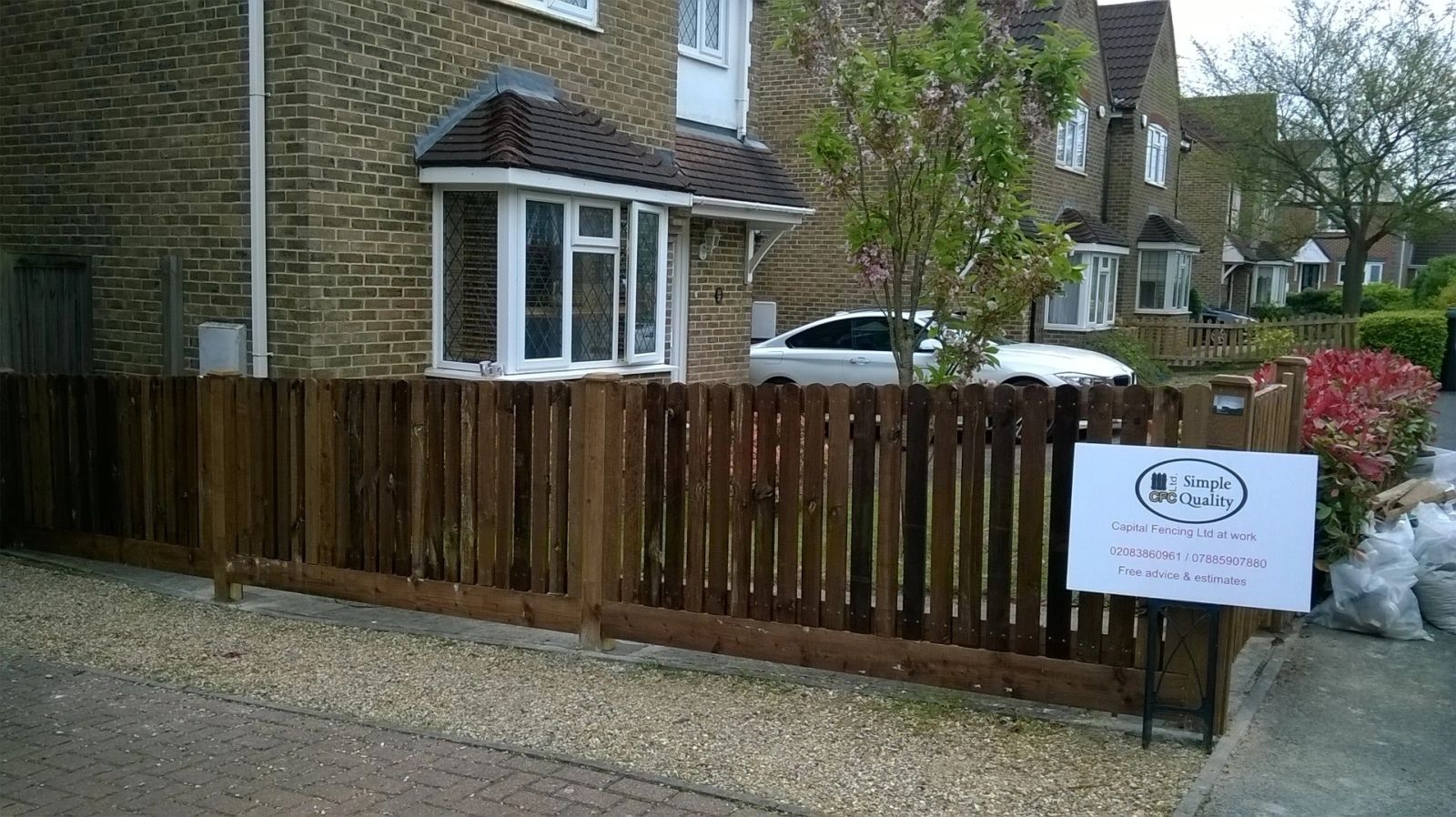
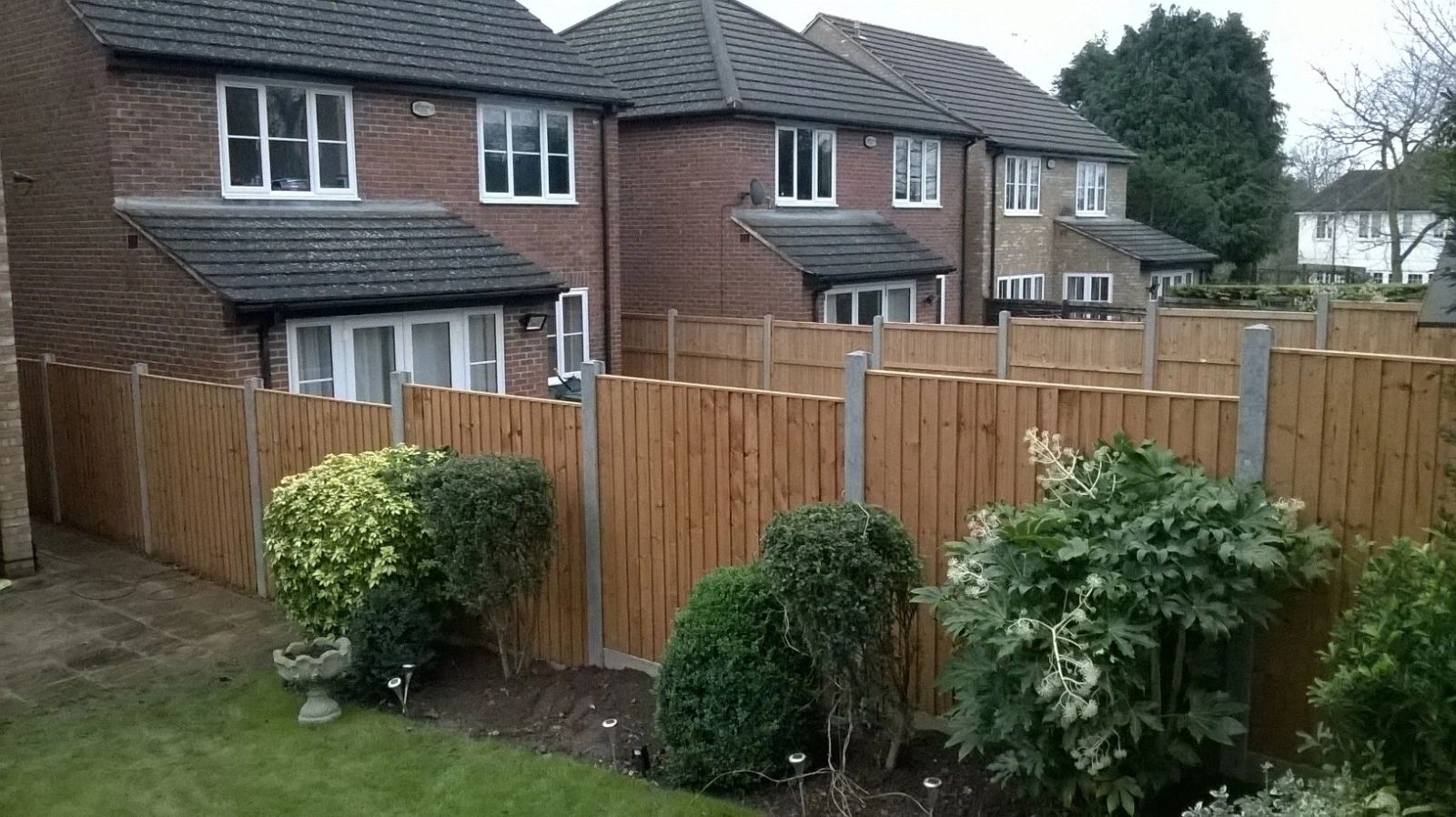
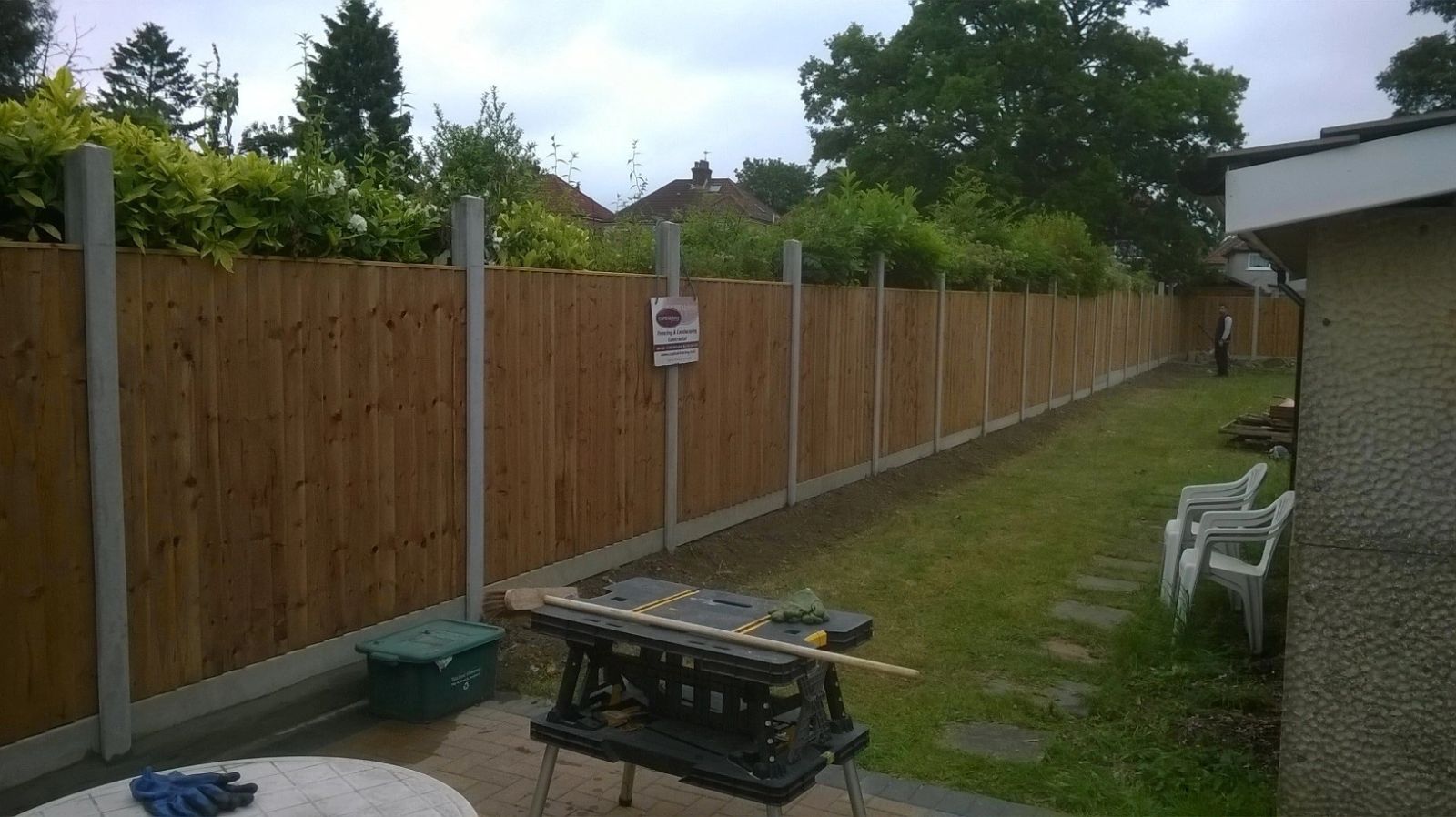
closeboard fence run installed by Capital Fencing in Finchley (N3)
Finchley · N3 / N12

Local commercial yard fencing specialist covering Finchley & barnet

Commercial yard fencing in Finchley is one of our regular briefs — trade yards, self-storage sites, workshops and small industrial units. On edwardian terraces in church end with mid to large gardens; mature trees and London clay are the recurring constraints, the failure mode we see most often is the one we design out first. Roads such as Etchingham Park Road and Nether Street are typical of the local layout. Church End library is a useful local reference point. Fallow Court Avenue and Squires Lane share a back-alley layout with a pedestrian corridor running between the plots.

Commercial yard fencing in Finchley is one of our regular briefs — trade yards, self-storage sites, workshops and small industrial units. On edwardian terraces in church end with mid to large gardens; mature trees and London clay are the recurring constraints, the failure mode we see most often is the one we design out first. Roads such as Etchingham Park Road and Nether Street are typical of the local layout. Church End library is a useful local reference point. Fallow Court Avenue and Squires Lane share a back-alley layout with a pedestrian corridor running between the plots.

Typical commercial yard fencing briefs in Finchley

  • 358 weld-mesh perimeter with CCTV pole mounts integrated into the line posts
  • hoop-top mesh around a client-visitor forecourt where palisade would look wrong

Why this spec, for trade yards, self-storage sites, workshops and small industrial units

  • hot-dip galvanised then powder-coated finishes carry a 25-year service life on a working yard
  • gate posts sized for daily commercial cycle counts rather than domestic once-a-day operation
  • we co-ordinate with the alarm and CCTV installer so cabling routes through the posts, not around them
Default spec

How we build commercial yard fencing in Finchley

2.4m palisade or 358 weld-mesh, hot-dip galvanised then RAL-coded powder-coat, concrete-set 100SHS or 76CHS line posts. On Finchley jobs we adjust for tree-root activity in clay soil regularly lifts old fence runs — full re-set is the typical brief.

Property mix locally: Edwardian terraces in Church End, large semis around Hampstead Garden Suburb borders, and 1930s housing in Woodside Park. Typical gardens: mid to large gardens; mature trees and London clay are the recurring constraints. Postcodes we regularly service: N3, N12.

Where commercial yard fencing isn't the right answer

  • premises with a landlord who prohibits perimeter modifications without formal Section 26 notice
  • client-visitor frontages where a soft timber-fronted boundary is on brand and palisade isn't

Commercial Yard Fencing FAQs — Finchley

Do you provide out-of-hours install for occupied sites?

On commercial yard fencing jobs in Finchley (N3), our default answer is: 2.4m palisade or 358 weld-mesh, hot-dip galvanised then RAL-coded powder-coat, concrete-set 100SHS or 76CHS line posts. We'll walk you through hot-dip galvanised then powder-coated finishes carry a 25-year service life on a working yard on the site visit before you commit.

Can you integrate CCTV poles into the fence line?

Across Finchley we spec around tree-root activity in clay soil regularly lifts old fence runs — full re-set is the typical brief, so on commercial yard fencing that usually means palisade for hard perimeter security. We'll walk you through hot-dip galvanised then powder-coated finishes carry a 25-year service life on a working yard on the site visit before you commit.

How long does hot-dip galvanised fencing last on a working yard?

Barnet coverage means we can survey most N3 addresses inside a week — trade yards, self-storage sites, workshops and small industrial units. The honest trade-off is specifying domestic-grade hinges on a gate opening 40 times a day — six-month failure — which is exactly what our default spec designs out.

What's the lead time on made-to-measure commercial gates?

Practically: 2.4m palisade perimeter with anti-climb spike and matching double vehicle gates. That's the Finchley version of this job, not a generic one. For context: gate posts sized for daily commercial cycle counts rather than domestic once-a-day operation. Hot-dip galvanised, RAL-coded and installed to a 25-year service life.

Can you match an existing colour on my other units?

On commercial yard fencing jobs in Finchley (N3), our default answer is: 2.4m palisade or 358 weld-mesh, hot-dip galvanised then RAL-coded powder-coat, concrete-set 100SHS or 76CHS line posts. We'll walk you through hot-dip galvanised then powder-coated finishes carry a 25-year service life on a working yard on the site visit before you commit.

Recent commercial yard fencing work
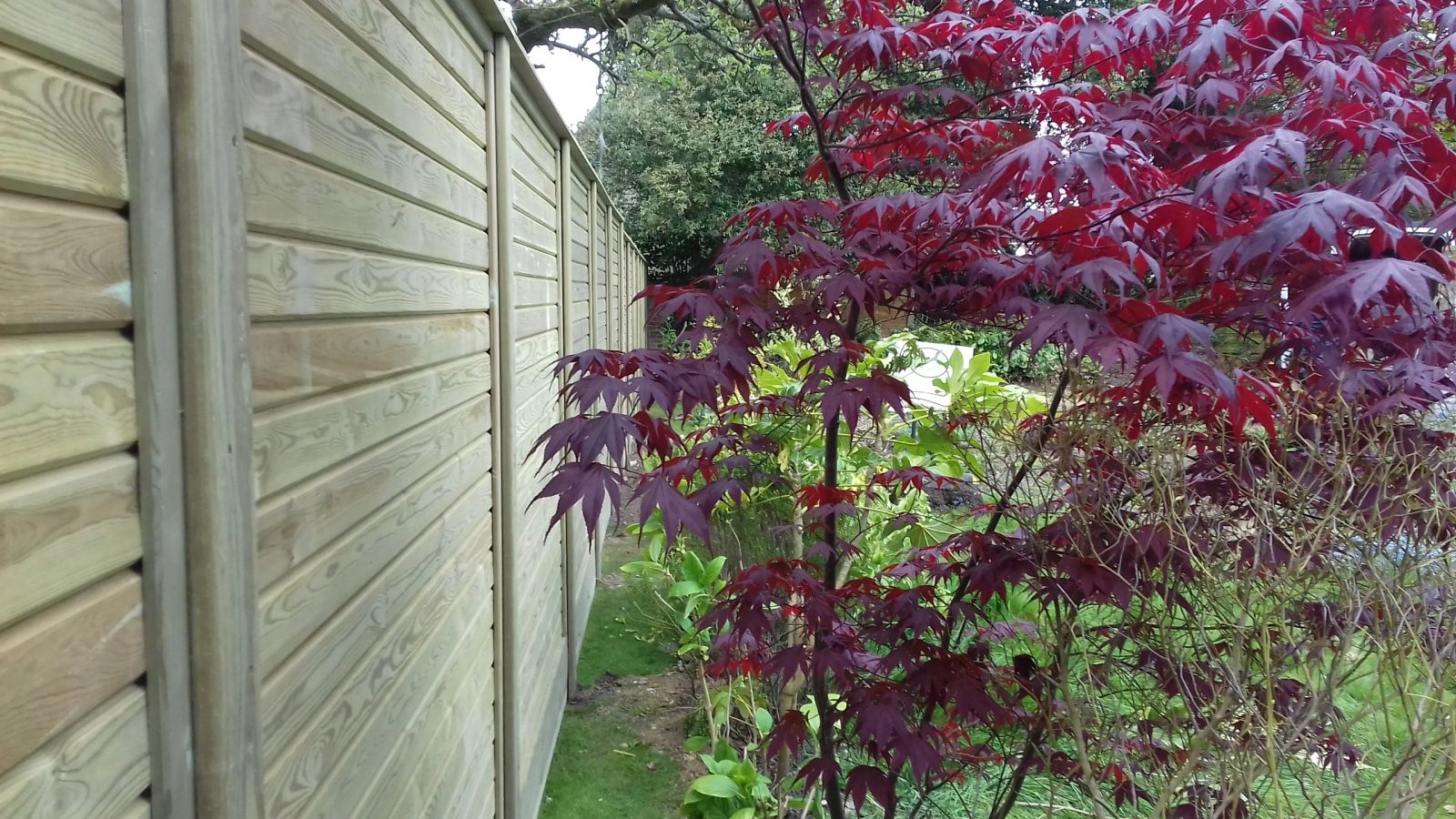
closeboard fence run installed by Capital Fencing in Finchley (N3)panel fence install installed by Capital Fencing in Finchley (N3)trellis-topped fence installed by Capital Fencing in Finchley (N3)bespoke decorative fence installed by Capital Fencing in Finchley (N3)

Site notes: commercial yard fencing in N3

Self-closing and self-latching gates near water

A gate giving access to a garden pool or a boundary near open water benefits from a self-closing and self-latching mechanism that doesn't rely on a person remembering to shut and lock it every time, since a single unlatched instance is enough for an incident.

Combining a self-closing spring with a latch mounted high enough to be out of easy reach of a small child adds a second layer of protection beyond the closing action alone.

Access through a house for a rear repair

Where a rear garden has no side access, materials and tools sometimes have to be carried through the house itself, which needs agreeing with the client in advance and protecting flooring and doorways along the route.

This is more common on terraced properties than detached ones, and it's worth factoring into how a repair is scheduled and priced.

Self-closing spring hinges and tension setting

A self-closing spring hinge pulls a gate shut automatically after use, which matters where a gate must not be left open — around a pool, a road-facing boundary or a play area — but the spring tension needs setting so the gate closes fully without slamming.

Tension that's too light leaves the gate ajar in a headwind; tension that's too strong accelerates wear on the latch and keep from repeated hard closing.

Self-closing pedestrian gates

A self-closing hinge or spring closer on a pedestrian gate stops it being left open by accident, which matters on a boundary where the fence is only as secure as the gate that's routinely used.

On a school, nursery or pool boundary a self-closing, self-latching gate is often a specific requirement rather than an optional extra, and the closer needs enough force to shut fully without slamming.

Acoustic and noise-reducing boundaries

A garden backing onto a busy road, railway line or commercial yard can benefit from a boundary built with sound reduction in mind, though a garden fence will never fully block road noise the way a proper acoustic barrier does.

Solid, gap-free construction matters more than material choice — close-boarded overlap timber with no sightlines through it performs noticeably better than a picket or slatted style, and any gaps at the base undo much of the benefit.

Denser materials and added mass, such as a composite core or an additional inner skin, do help further, but the single biggest factor is simply eliminating gaps and sightlines through the run.

Checking a frame is square before re-hanging

A frame that's been repaired or partially rebuilt is checked for square by measuring both diagonals rather than by eye, since a frame can look straight from the front while still being out of square enough to bind against its post.

Only once the diagonals match is the gate face re-hung onto the corrected frame.

How we measure and quote a job

A proper quote starts with a site visit rather than a phone estimate — measuring the actual run length, checking ground conditions with a probe or short trial dig, and confirming access before any numbers go on paper.

That's the only reliable way to catch the things that change a price: buried obstructions, a slope that needs stepping, a shared boundary that needs the neighbour's agreement, or a gate opening that's slightly out of square.

A written quote following that visit should specify post spacing, post and panel material, base type and any extras like gravel boards or capping, so there's nothing to renegotiate once the job starts.

Working around overhead power or telecoms lines during repair

A post repair beneath an overhead service line limits how tall equipment or extended tools can be used safely, and any post reset in that position needs the same overhead clearance considered as it would during a new installation.

Where a line runs close to the repair, checking clearance and, if needed, contacting the network operator before starting is worth doing even for what looks like a routine single-post job.

Controlling dust and debris close to a neighbour

Angle grinding a metal fixing or breaking out an old concrete footing throws dust and fine debris further than expected, which matters on a repair close to a neighbour's washing line, patio furniture or parked car.

Sheeting off the immediate work area and clearing debris before leaving site each day is worth doing even on a short repair, since a small job that leaves a mess behind causes disproportionate friction with a neighbour compared with the size of the work itself.

Building decking over an existing patio or hardstanding

Decking built directly over a sound existing patio saves the cost and disruption of breaking out the old surface, provided the substructure can be securely fixed to it and a fall is built in for drainage rather than trapping water underneath.

A patio with a slope toward the house, rather than away from it, needs correcting in the decking substructure rather than simply built over as-is, since a deck can't fix a drainage problem it's built directly on top of.

Ventilation gaps around the edge of a deck built over solid paving matter just as much as one built over soil, since trapped moisture and poor airflow cause the same rot risk to the substructure timber either way.

Parking and material handling on site

Fencing, gates and decking all involve moving bulky, heavy material — concrete posts, gravel boards, decking joists — from a van to the working area, and how far that has to be carried has a real effect on labour time.

On streets with permit parking, no off-street loading bay, or restricted delivery hours, we plan the drop-off around those restrictions rather than assuming a van can sit outside all day.

Where a plot has a driveway or side gate wide enough for a barrow run, that alone can shave a meaningful amount of time off a job compared with hand-carrying everything round the front.

Which side a fence's face and posts should sit on

There's a long-standing but informal convention that the 'good side' — the smooth face without visible posts and rails — should face the neighbouring property, though this is a courtesy rather than a legal requirement.

Some title deeds do specify a required orientation as part of an ownership condition, which takes precedence over the general convention where it applies.

Where no such condition exists, agreeing the facing direction with a neighbour before building avoids a common and easily-avoided source of minor friction.

Treatment class for decking joists versus visible boards

Decking joists sit closer to the ground and often in less ventilated conditions than the visible boards above them, so they generally warrant the same ground-contact-rated treatment class used for fence posts rather than the lighter treatment sometimes sufficient for above-ground fence panels.

It's a detail that's easy to overlook when the visible decking timber is specified carefully but the substructure is treated as an afterthought, even though joist failure is a structural safety issue in a way that panel weathering isn't.

Confirming the treatment class of joist timber specifically, not just assuming 'decking timber' covers the whole structure to the same standard, avoids a substructure that fails well before the visible boards show any sign of ageing.

Water company build-over positions

Public sewers can run beneath private gardens, and water companies generally require notice, and sometimes formal approval, before any structure — including some fence post foundations — is built close to or over them.

The exact rules and required clearance distances vary by water company, but ignoring a known public sewer line when positioning posts risks a dispute or requirement to remove work later.

A free sewer map is normally available from the relevant water company, which is worth requesting before finalising post positions on any plot with an older or shared drainage system.

Snagging and sign-off walk-round

A finished fence should be walked end to end with the client before sign-off, checking posts are plumb, panels are level and gates open and close cleanly through their full swing without binding on the ground.

Gaps under gravel boards, exposed fixings, and any concrete splashed onto adjoining paving or planting during the install are the kind of small snags worth catching at walk-round rather than left for the client to notice weeks later.

Where any item is flagged, agreeing a specific date for it to be resolved — rather than a vague 'we'll come back' — is what actually gets snagging closed out.

Cill board water-shedding function

A cill or capping rail fitted along the top of a panel fence sheds rainwater clear of the panel's top edge, in the same way a window cill sheds water clear of a wall, reducing the time the top edge of boards stays saturated.

Without a cill, the end grain along the top of vertical boards absorbs water directly and repeatedly, which is a common cause of premature rot starting specifically at the top of a panel rather than the base.

A cill with a slight forward overhang and a drip groove on its underside sheds water further clear of the face below it than a flush-fitted cill, reducing streak staining on the boards beneath.

Concrete spurs as a lifetime-extension repair

Where a timber post has rotted at ground level but the panels and the rest of the run remain sound, bolting a concrete spur alongside the rotten section rather than replacing the whole post is a common and effective partial repair.

The spur takes over the structural role at ground level while the timber above the rot line, which is usually still sound, continues to carry the panel fixings.

This repair only works while enough sound timber remains above the rotten section to bolt through; once rot has progressed too far up the post, spurring no longer gives a reliable fix and full post replacement is the honest answer.

Routing deck lighting cable away from standing water

Low-voltage deck lighting cable run beneath boards needs to be kept clear of any point where water is likely to pool, since even low-voltage cable connectors degrade faster in permanently wet conditions than in the intermittent dampness the rest of the substructure sees.

Routing cable along the higher side of a deck's fall, rather than through the lowest point where water naturally collects, is a simple planning step that extends the life of an otherwise reliable lighting installation.

Any cable joints beneath a deck should use fully waterproof-rated connectors rather than standard household connectors, given the substructure environment is functionally outdoors and damp regardless of overall deck condition.

Perimeter fencing around a school playing field

A playing field perimeter separate from the main school building boundary is usually lower and more open than the building line itself, since its job is containing pupils during use and deterring casual trespass out of hours rather than resisting a determined intrusion.

Gates onto a playing field are positioned to give staff a clear sightline for supervision, and a field boundary shared with a public path often needs a stock-proof rather than fully solid design to keep sightlines open both ways.

Hardstanding and uneven levels

Where a fence line crosses from a garden onto a patio, driveway or other hardstanding, post bases usually need core-drilling into the existing slab rather than a dug hole, which is a different technique and a different price than fencing over soil.

A change in level along a run — a step up to a raised patio, or a drop to a lower side passage — needs the fence height measured consistently from the ground it's actually protecting, not from an average across the whole run.

Getting this detail wrong is one of the more common reasons a finished fence ends up looking uneven even though every panel was fitted correctly on its own section.

Composite colour fade realism

Composite boards do fade slightly in their first year or two of UV exposure before settling to a stable colour, which is a normal part of the material rather than a fault, but it means a newly added run will look a shade brighter than an older adjoining one for a while.

Darker composite colours fade proportionally more than lighter ones and also run hotter in direct sun, which can matter for boards used on south-facing screening close to seating areas.

Manufacturers typically quote colour consistency rather than a fixed fade-free guarantee, so matching an extension to an existing composite run several years old is unlikely to be an exact colour match regardless of the batch ordered.

Working off a ladder without scaffold on fencing jobs

Most domestic fencing and gate work is low enough to manage from stepladders rather than needing scaffold, but a ladder still needs a firm, level footing and, on soft ground, a board or plate under the feet to stop it sinking unevenly.

Working at the top of a tall gate post or over a wall with a ladder means keeping three points of contact and avoiding overreaching sideways, which is usually the point a ladder starts to slide rather than tip.

Where capping or a top rail needs fixing along an entire run at height, moving the ladder in short, frequent steps is safer and generally faster than overreaching from a single position to save moving it.

Commercial Yard Fencing across N3, N12 is a regular run for us. We'll quote honestly, tell you if commercial yard fencing isn't the right answer for your site, and book the job in within a week or two of a signed quote. hot-dip galvanised, RAL-coded and installed to a 25-year service life. Roads such as Hendon Lane and Nether Street are typical of the local layout. North Finchley bus garage is a useful local reference point. The Church End Conservation Area covers much of the historic centre around Avenue House.

Get In Touch

Get My Free Quote — 24h Response

No callout fee · Free site visit · Friendly local team covering London & Hertfordshire.

Call us
07885907880
or 02036484746
Email
capital_fencing@yahoo.com
WhatsApp
Message us anytime
Area
London & Hertfordshire
Payment
Card payments accepted

Pay by debit or credit card, bank transfer or cash once the work and price are agreed. No deposit taken online.

Request a Free Quote

We'll get back to you within 24 hours.

Free Site Visit No Callout Fee
Call WhatsAppQuote