Practical points for boundary work in Old Hatfield
Diverting a public right of way away from a new fence
Where a registered public right of way crosses land that's being fenced, it's not something that can simply be blocked — a formal diversion order from the council is needed to legally move its route.
This process typically involves public consultation and can take a meaningful amount of time, so it needs building into any project timeline where it's relevant.
Checking the definitive map of public rights of way, held by the county or unitary council, before finalising a fence layout avoids inadvertently obstructing a protected path.
Thermal cracking in concrete post caps
Concrete post caps and copings can develop fine cracks from repeated freeze-thaw cycling, where water absorbed into small surface pores expands as it freezes and gradually widens existing microcracks.
A denser, lower-porosity concrete mix, or one finished with a sealant, absorbs less water in the first place and is correspondingly more resistant to this kind of frost damage than a porous, untreated finish.
Once a crack has formed, it tends to widen faster in subsequent winters, since the enlarged crack itself now holds more water than the original surface pores did, which is why early repair matters more than it might first appear.
Timber strength grading classes
Structural timber is graded into strength classes such as C16 or C24 based on visual inspection of defects like knots and slope of grain, or by machine stress grading that measures stiffness directly.
C24 timber has been graded to a higher strength and stiffness threshold than C16, and is specified where a structural calculation demands it, such as a longer unsupported gate post span, rather than chosen purely by appearance.
Fencing timber is rarely strength-graded in the same formal way as construction timber, which is one reason gate posts subject to real structural calculation sometimes specify a graded section rather than standard fencing stock.
Good practice notifying a neighbour before work starts
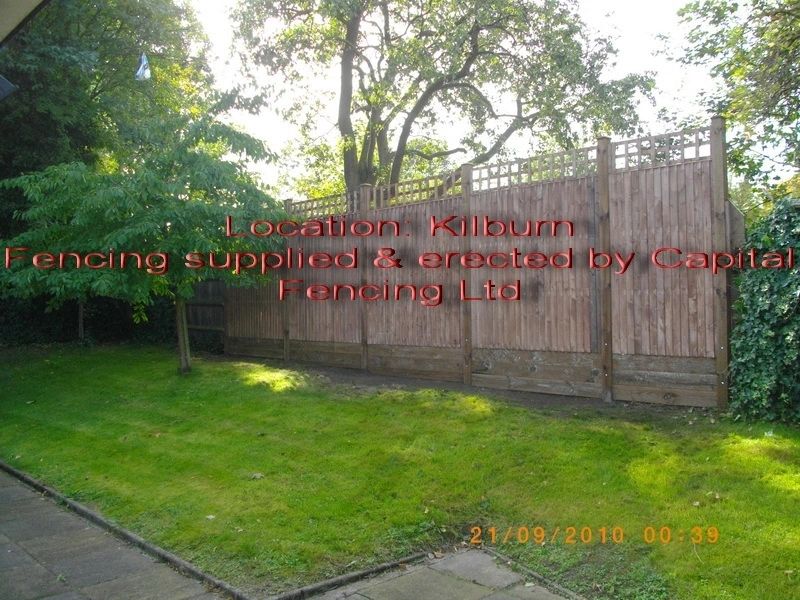
There's no general legal requirement to notify a neighbour before replacing a fence that sits entirely on your own land, but doing so avoids most of the friction that boundary work can otherwise cause.
A short conversation or note covering timing, likely noise, and any need for brief access to their side goes a long way toward a smooth job.
Where the new fence will differ noticeably in height, style or colour from what's there now, flagging that in advance tends to head off objections that only surface once the work is finished.
Sizing gates for specific vehicle types
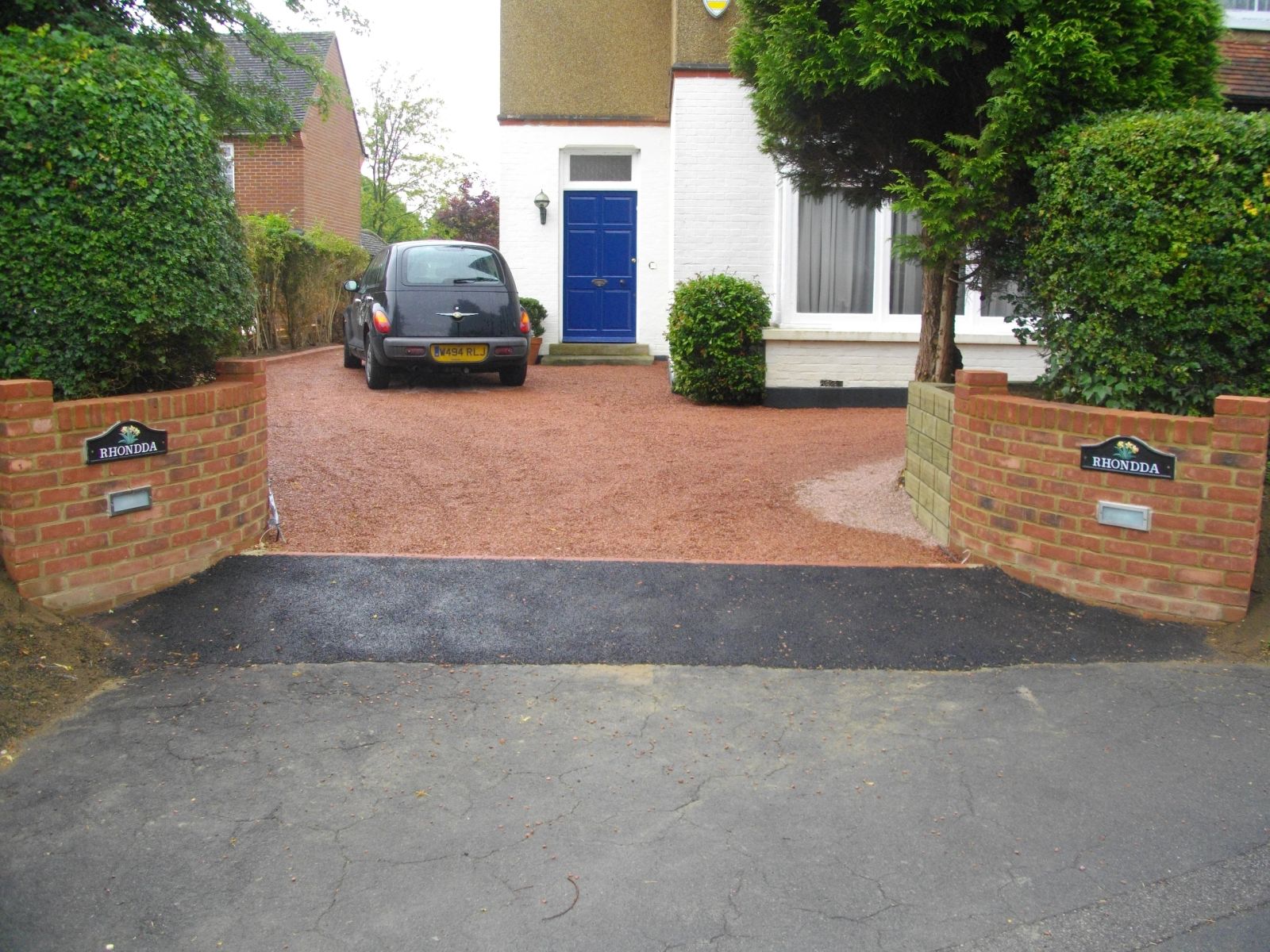
A driveway gate wide enough for a family car may still be too narrow for a van, motorhome or trailer, which is worth checking against the actual vehicles a household owns or plans to own rather than a generic standard opening.
Turning circle matters as much as raw width on a tight driveway, since a gate that technically fits a vehicle's width can still be unusable if there isn't room to straighten up before passing through it.
For a household with mixed vehicle needs, a wider single gate or double gates with an off-centre split (one narrow, one wide leaf) can give flexibility that two equally-sized leaves don't.
Compost bins and damp concentration against a fence
A compost bin or heap placed directly against a fence line concentrates moisture and organic decay right at the timber surface, which is a common and avoidable cause of localised rot on an otherwise healthy run.
A gap of even a few hundred millimetres between the bin and the fence, or a bin set on a hard base rather than directly against timber, avoids this concentrated exposure.
It's a detail worth raising with clients at handover, since it's the kind of everyday garden use that isn't obvious as a fence maintenance issue until the damage has already occurred.