Practical points for boundary work in Garston
Timber versus metal post stiffness comparison
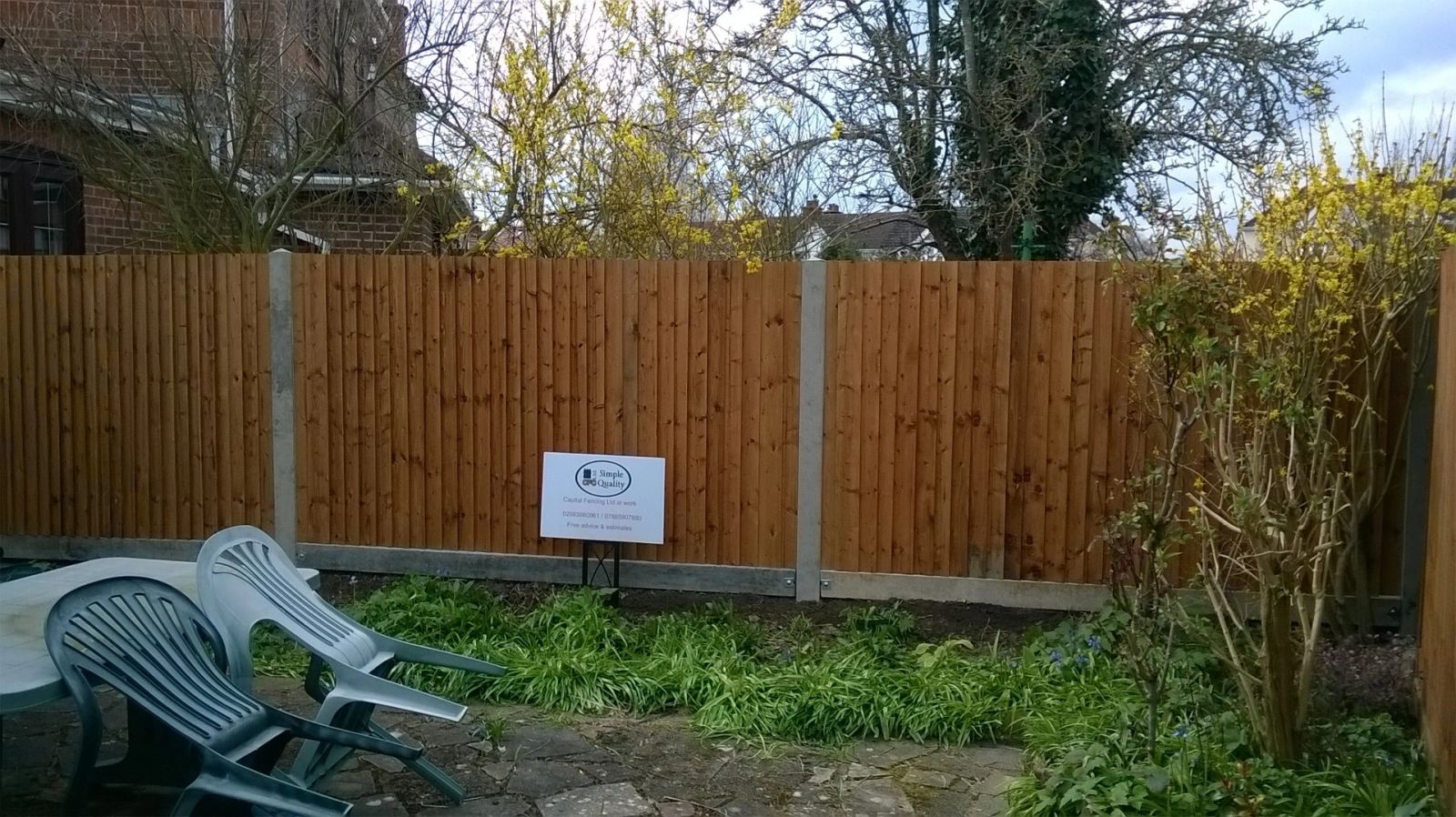
A steel or reinforced concrete post of comparable cross-sectional size is generally stiffer than an equivalent timber post, meaning it deflects less under the same wind load, though timber has the advantage of some flexibility that can absorb sudden impact loads without snapping.
Timber's stiffness also varies with moisture content and species in a way that steel's doesn't, meaning a timber post's real-world performance is less predictable across seasons than a steel post's largely temperature-independent behaviour.
Mixed systems using steel posts with timber panelling attempt to combine steel's structural predictability with timber's more traditional appearance, at the cost of managing the dissimilar-material fixing and corrosion issues that come with it.
Timber stain versus paint breathability
A translucent or semi-transparent stain generally remains vapour-permeable, allowing moisture that gets into the timber to escape back out again as the wood dries, which reduces the risk of trapped moisture driving rot.
Solid, opaque paint films are often less permeable, and a paint film that cracks or is breached can trap moisture behind it against the timber, sometimes accelerating localised decay compared with an unpainted equivalent.
Modern microporous exterior paints aim to combine paint's fuller colour coverage with a degree of vapour permeability, narrowing but not eliminating this trade-off between appearance and moisture management.
Boundary structures on Green Belt land
Land designated as Green Belt carries additional planning restrictions aimed at preventing inappropriate development, which can extend to boundary treatments beyond the usual permitted development framework in some cases.
Most domestic garden fencing on an existing residential plot within the Green Belt is unaffected, but larger boundary structures or those on paddock and agricultural land nearby can be treated differently.
Checking with the local planning authority is the reliable way to confirm what applies to a specific Green Belt property before committing to a boundary project.
Fence panels built around a recessed bin store
A bin store built into or against a fence line needs its own ventilation gaps, since enclosed bin storage without airflow concentrates moisture and odour against the adjoining fence panels far more than open storage would.
The panel section forming the back or side of a bin store also takes more direct contact wear — bins being wheeled in and out, lids catching the timber — than the rest of the run, so a slightly more robust board or a protective kick panel at the contact height extends its life.
These wear patterns are worth designing for at the outset rather than treating the bin store section as identical to the rest of the boundary run.
Western red cedar characteristics
Western red cedar contains natural oils and extractives that give it decay and insect resistance without chemical treatment, which is why it's often left untreated and allowed to silver naturally over time rather than stained.
It's considerably lighter and softer than most fencing softwoods, which makes it easier to work but also more prone to surface denting and scuffing during handling and fitting.
Because it's naturally durable rather than pressure-treated, cedar doesn't carry the green or brown tint of treated softwood, and any colour change over its life comes from UV exposure rather than a fading dye.
Fall direction and drainage across a deck
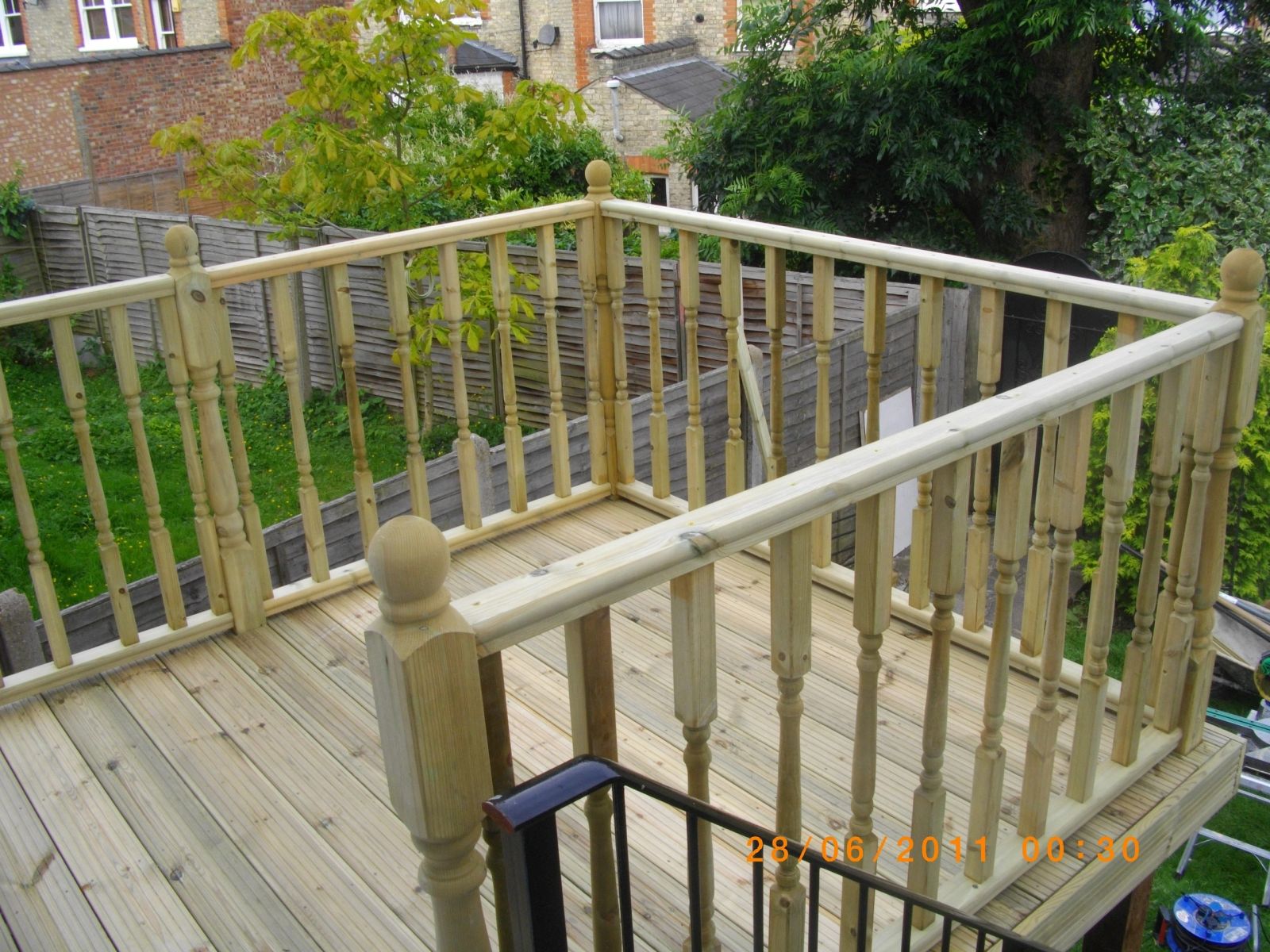
A deck built dead level holds standing water after rain, which speeds up algae growth and softens the timber surface faster than a deck with a slight fall built in to shed water away from the house.
The fall is normally built into the joist or bearer heights during construction, angled away from any adjoining wall or door threshold, rather than relying on the boards themselves to slope.
Getting the fall direction right at the design stage also avoids water pooling against a house wall, which risks damp ingress at the threshold over time.