London & Hertfordshire Free Site Visit

Bushey Village: Fencing & Decking Within Bushey

Bushey Village, part of bushey and covered by Hertsmere Borough Council, is known for victorian and edwardian cottages, plus newer infill near the station with gardens small to mid plots with rear alley access on many streets. Most site visits in this patch come back to one thing: narrow alley access makes panel delivery the bottleneck. Appealing a refused boundary planning application: Where a planning application for a taller or otherwise non-permitted boundary structure is refused, there's a formal right of appeal to the Planning Inspectorate within a set time limit. Appeals are considered on planning merit rather than personal circumstances, and can take several months to be decided, which is worth factoring into any timeline. Working over septic or drainage runs: Properties without mains drainage, more common on the rural fringes of Hertfordshire, often have a septic tank or soakaway drainage field with pipework running across the garden that a fence line can unknowingly cross.

Talk through your Bushey Village brief

We know Hertsmere's planning rules and this patch's ground conditions — call and we'll talk it through.

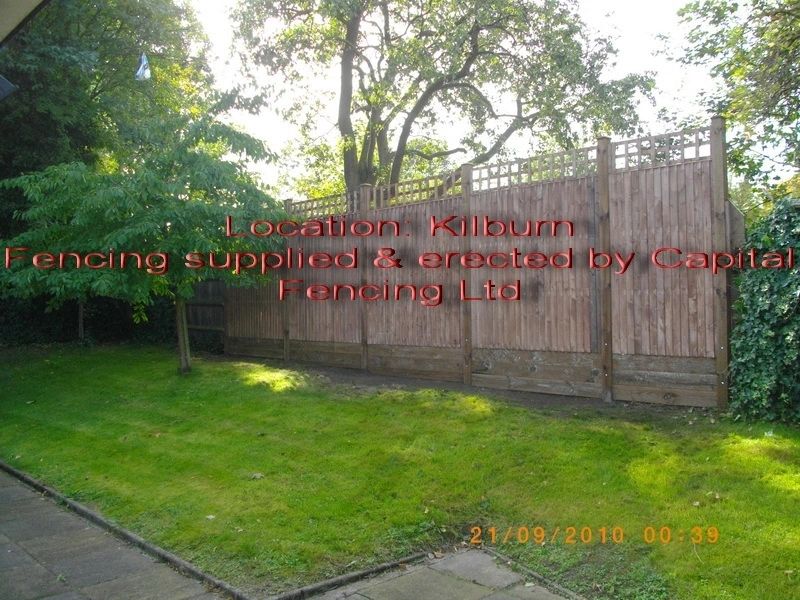
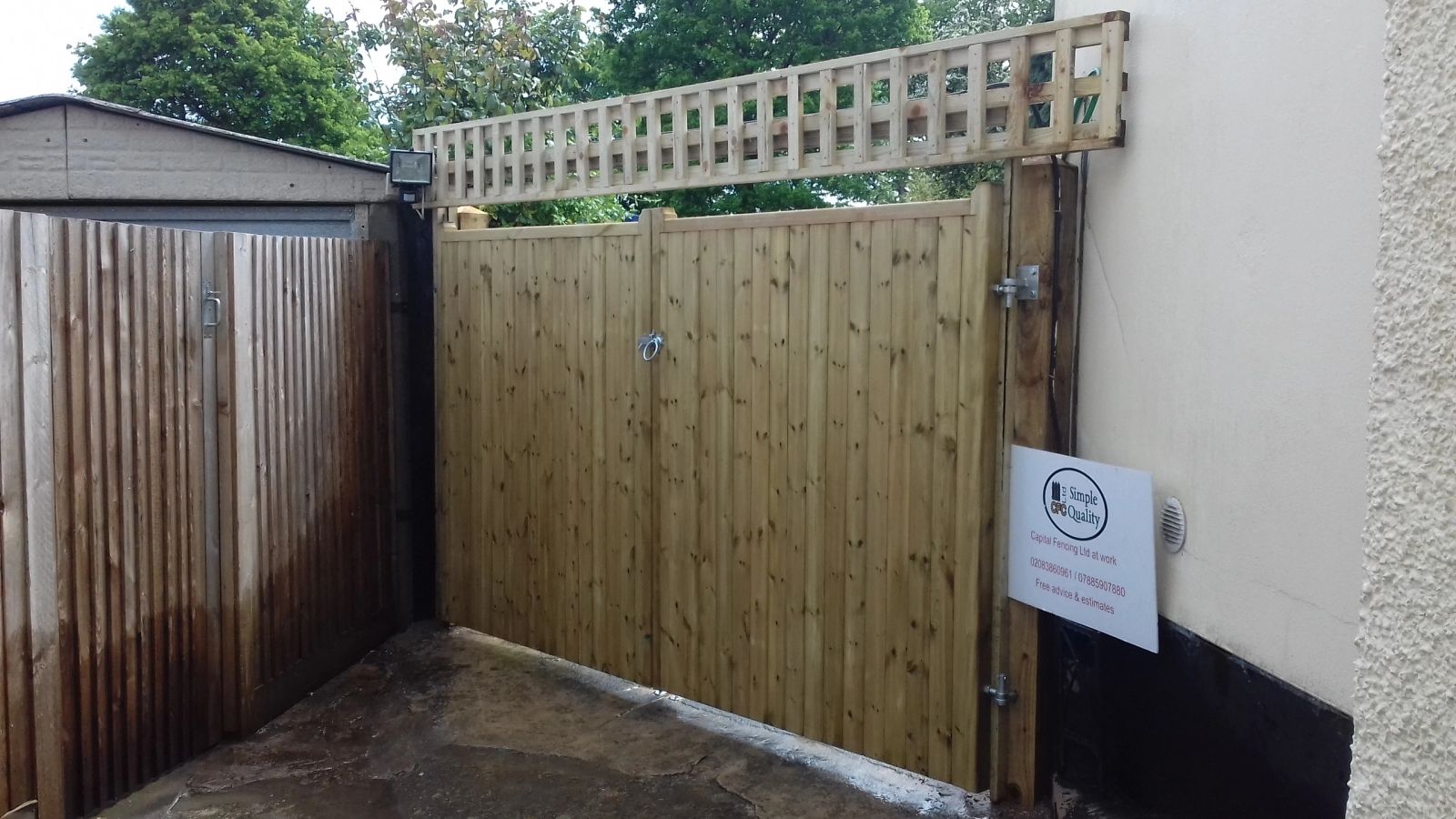
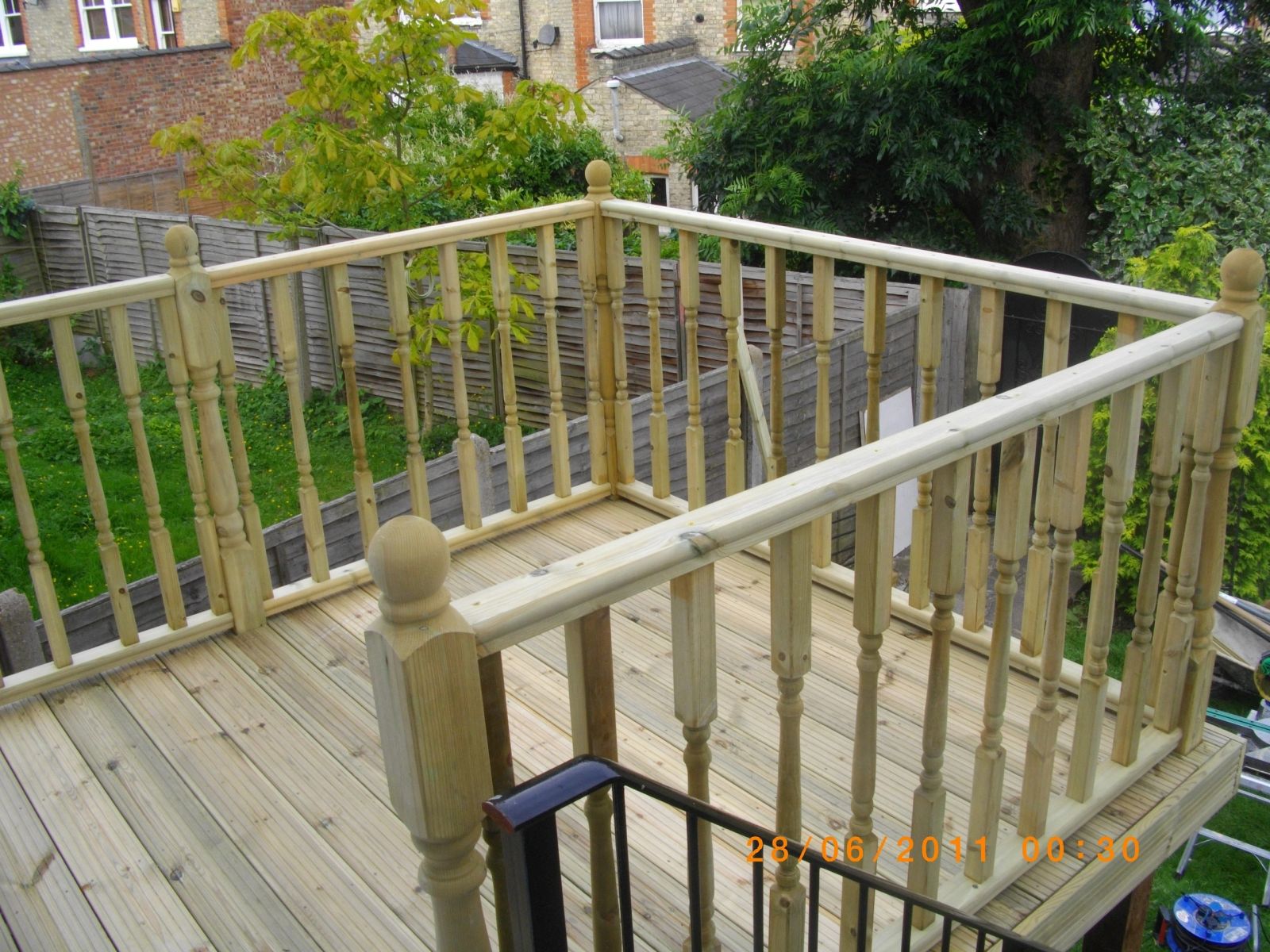
Capital Fencing project in Bushey Village, WD23Capital Fencing project in Bushey Village, WD23Capital Fencing project in Bushey Village, WD23
WD23

Bushey Village is part of our Bushey coverage under Hertsmere Borough Council, with its own property mix and its own recurring brief.

Property & garden in Bushey Village

Property: Victorian and Edwardian cottages, plus newer infill near the station

Gardens: small to mid plots with rear alley access on many streets

narrow alley access makes panel delivery the bottleneck

Nearest arterial: A411, M1 J5. Served from Bushey (Overground). Nearby commercial anchors: Bushey High Street.

Practical points for boundary work in Bushey Village

Appealing a refused boundary planning application

Where a planning application for a taller or otherwise non-permitted boundary structure is refused, there's a formal right of appeal to the Planning Inspectorate within a set time limit.

Appeals are considered on planning merit rather than personal circumstances, and can take several months to be decided, which is worth factoring into any timeline.

Getting professional planning advice before submitting an appeal often improves the prospects of addressing the reasons for the original refusal effectively.

Working over septic or drainage runs

Properties without mains drainage, more common on the rural fringes of Hertfordshire, often have a septic tank or soakaway drainage field with pipework running across the garden that a fence line can unknowingly cross.

A collapsed or compressed drainage pipe under a post base is a common cause of a fence settling unevenly a season or two after installation.

Where a septic system's layout isn't documented, a damp or lush strip of grass running away from the tank is often the visible sign of a soakaway field that needs avoiding when setting posts.

Resin bleed from softwood

Softwoods such as pine and spruce contain resin pockets that can continue to weep sticky sap for months after installation, especially on timber that's been kiln-dried quickly or exposed to strong summer sun.

Resin bleed shows up as a darkened, tacky patch on the surface and can telegraph through paint or stain if the timber isn't left to stabilise, or if a sealer coat isn't applied over the affected area first.

It's a cosmetic issue rather than a durability one, and it typically resolves itself as the timber fully seasons, though staining over an active resin pocket without treating it first often needs redoing.

North-facing boundaries and slower drying

A north-facing boundary receives little or no direct sun through autumn and winter, so rainfall sits on the timber and in the surrounding ground noticeably longer than on a south-facing equivalent.

This affects concrete curing time as well as timber drying — a post base poured on a north-facing run in cold weather takes longer to reach working strength and shouldn't be loaded or backfilled early just because a south-facing base nearby has already set.

Over the life of the fence, the practical effect is usually a shorter repaint or restain interval on the shaded side than the rest of the same boundary.

Allotment and paddock ground

Allotment and paddock boundaries are often on ground that's been cultivated, grazed or left rough for decades, with a topsoil layer that's deeper and looser than a typical garden lawn but can also conceal old cultivation debris, buried irrigation pipe or fencing stobs from previous boundaries.

Paddock ground grazed by livestock compacts unevenly, with poached, churned patches near gateways sitting very differently underfoot from the firmer ground a few metres away.

Post specifications on this kind of ground usually need to account for stock leaning or rubbing on the fence line, which is a different load case from a garden boundary that just needs to withstand weather and general wear.

Sleeper edging and planters

Softwood landscape sleepers are pressure-treated to a ground-contact use class and are generally cheaper and more consistent in size than reclaimed hardwood railway sleepers, which vary in condition and may carry historic residues such as creosote unsuitable for areas near planting or seating.

Sleepers used for raised beds or low retaining edges are usually stacked and pinned with long timber screws or steel rebar driven through pre-drilled holes rather than simply stacked loose, since an unpinned stack can shift as the ground behind it settles.

Where a sleeper structure is also expected to retain a meaningful depth of soil rather than just edge a bed, it moves into proper retaining-wall territory with its own drainage and structural considerations.
Services in Bushey Village

Bushey Village — frequently asked

Is sleeper edging and planters something you plan for in Bushey Village?

Where a sleeper structure is also expected to retain a meaningful depth of soil rather than just edge a bed, it moves into proper retaining-wall territory with its own drainage and structural considerations. Softwood landscape sleepers are pressure-treated to a ground-contact use class and are generally cheaper and more consistent in size than reclaimed hardwood railway sleepers, which vary in condition and may carry historic residues such as creosote unsuitable for areas near planting or seating. Sleepers used for raised beds or low retaining edges are usually stacked and pinned with long timber screws or steel rebar driven through pre-drilled holes rather than simply stacked loose, since an unpinned stack can shift as the ground behind it settles.
Is Bushey Village within your standard travel area?

Yes — Bushey Village is served from Bushey (Overground), off A411, and is inside our regular working patch.

What should I know about allotment and paddock ground in Bushey Village?

Post specifications on this kind of ground usually need to account for stock leaning or rubbing on the fence line, which is a different load case from a garden boundary that just needs to withstand weather and general wear. Allotment and paddock boundaries are often on ground that's been cultivated, grazed or left rough for decades, with a topsoil layer that's deeper and looser than a typical garden lawn but can also conceal old cultivation debris, buried irrigation pipe or fencing stobs from previous boundaries. Paddock ground grazed by livestock compacts unevenly, with poached, churned patches near gateways sitting very differently underfoot from the firmer ground a few metres away.

What should I know about resin bleed from softwood in Bushey Village?

Resin bleed shows up as a darkened, tacky patch on the surface and can telegraph through paint or stain if the timber isn't left to stabilise, or if a sealer coat isn't applied over the affected area first. It's a cosmetic issue rather than a durability one, and it typically resolves itself as the timber fully seasons, though staining over an active resin pocket without treating it first often needs redoing. Softwoods such as pine and spruce contain resin pockets that can continue to weep sticky sap for months after installation, especially on timber that's been kiln-dried quickly or exposed to strong summer sun.

North-facing boundaries and slower drying — what does that mean for a job in Bushey Village?

Over the life of the fence, the practical effect is usually a shorter repaint or restain interval on the shaded side than the rest of the same boundary. A north-facing boundary receives little or no direct sun through autumn and winter, so rainfall sits on the timber and in the surrounding ground noticeably longer than on a south-facing equivalent. This affects concrete curing time as well as timber drying — a post base poured on a north-facing run in cold weather takes longer to reach working strength and shouldn't be loaded or backfilled early just because a south-facing base nearby has already set.

What areas of Bushey Village do you cover?

We cover all of Bushey Village (WD23), under Hertsmere Borough Council.

Reached off A411, near Bushey (Overground). Resin bleed from softwood: Softwoods such as pine and spruce contain resin pockets that can continue to weep sticky sap for months after installation, especially on timber that's been kiln-dried quickly or exposed to strong summer sun. Resin bleed shows up as a darkened, tacky patch on the surface and can telegraph through paint or stain if the timber isn't left to stabilise, or if a sealer coat isn't applied over the affected area first. North-facing boundaries and slower drying: A north-facing boundary receives little or no direct sun through autumn and winter, so rainfall sits on the timber and in the surrounding ground noticeably longer than on a south-facing equivalent.

Get In Touch

Get My Free Quote — 24h Response

No callout fee · Free site visit · Friendly local team covering London & Hertfordshire.

Request a Free Quote

We'll get back to you within 24 hours.

Free Site Visit No Callout Fee
Call WhatsAppQuote