Practical points for boundary work in Panshanger
Keeping mortice depth consistent across a run of timber posts
Hand-cut mortices in timber posts can vary slightly in depth from post to post if they're cut freehand rather than to a fixed jig or depth stop, which then shows up as a rail sitting at a slightly different height at each junction.
A simple depth stop clamped to the chisel or drill bit, checked against the first mortice cut, keeps every subsequent one consistent without needing to measure each one individually from scratch.
Checking a sample rail against several mortices before committing to cutting the whole run confirms the depth is right before the error, if there is one, has been repeated across every post.
Fencing near listed buildings
Listed building consent applies to works that affect the character of a listed building, and that can extend to boundary treatments within its curtilage even where the fence itself isn't old or notable.
In practice this usually means sticking to traditional materials and profiles — timber rather than metal panel systems, painted rather than stained finishes matching existing joinery — and checking with the conservation officer before ordering rather than after installation.
Unauthorised alterations near a listed building can require reversal at the owner's cost, so a five-minute enquiry call is cheap insurance against a much more expensive mistake.
Boundary questions in conveyancing enquiries
When a property is sold, standard conveyancing enquiries (the TA6 form) ask the seller to confirm boundary ownership and disclose any known disputes, including informal agreements about fence lines that were never registered.
An unrecorded verbal agreement about who maintains which boundary can cause problems at sale stage if it isn't consistent with the T-marks or general boundary on the title plan, since the buyer's solicitor will flag the discrepancy.
Keeping a simple written note or email trail of any boundary agreement reached with a neighbour, even an informal one, makes a later sale considerably smoother than relying on memory years afterwards.
Fence or gate height near roof-mounted solar panels
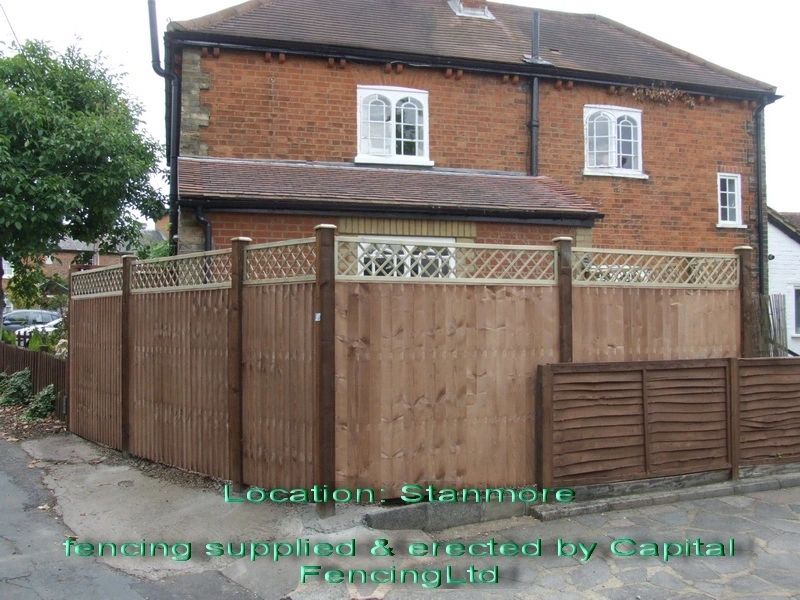
A tall fence, gate, or dense trellis topper built close to a boundary can cast shade onto a neighbouring roof-mounted solar array during parts of the day, which isn't usually a planning matter but can become a point of neighbourly friction worth being aware of.
This is a relatively new consideration compared with the traditional daylight and boundary height concerns, but is increasingly relevant as more households install solar panels close to shared boundaries.
Discussing height and position informally with a neighbour before installing a particularly tall boundary feature near their south-facing roof avoids a dispute that has no clear formal regulation to resolve it.
Algae growth on north-facing panels
A boundary that faces north, or sits in the permanent shade of a tall building or dense hedge, stays damp for far longer after rain than a south-facing run, which is exactly the condition green algae needs to establish.
Algae on timber is mostly cosmetic in the early stages but makes the surface noticeably slippery, which matters where a fence line doubles as an informal foothold near steps or a sloped path.
A dilute biocidal wash applied before restaining is more effective long-term than staining directly over algae, which simply seals damp organic growth beneath the new coating.
Temporary hoarding compared with a permanent boundary fence
Temporary site hoarding erected during building works is generally treated differently under planning rules to a permanent boundary fence, often allowed for a limited period without full permission where it's clearly temporary and related to authorised works.
Problems arise where hoarding intended as temporary is left in place indefinitely once building work finishes, which can then be treated as an unauthorised permanent structure.
Anyone planning to convert temporary site hoarding into a permanent boundary feature should check whether separate permission is needed rather than assuming continuity is automatic.