London & Hertfordshire Free Site Visit
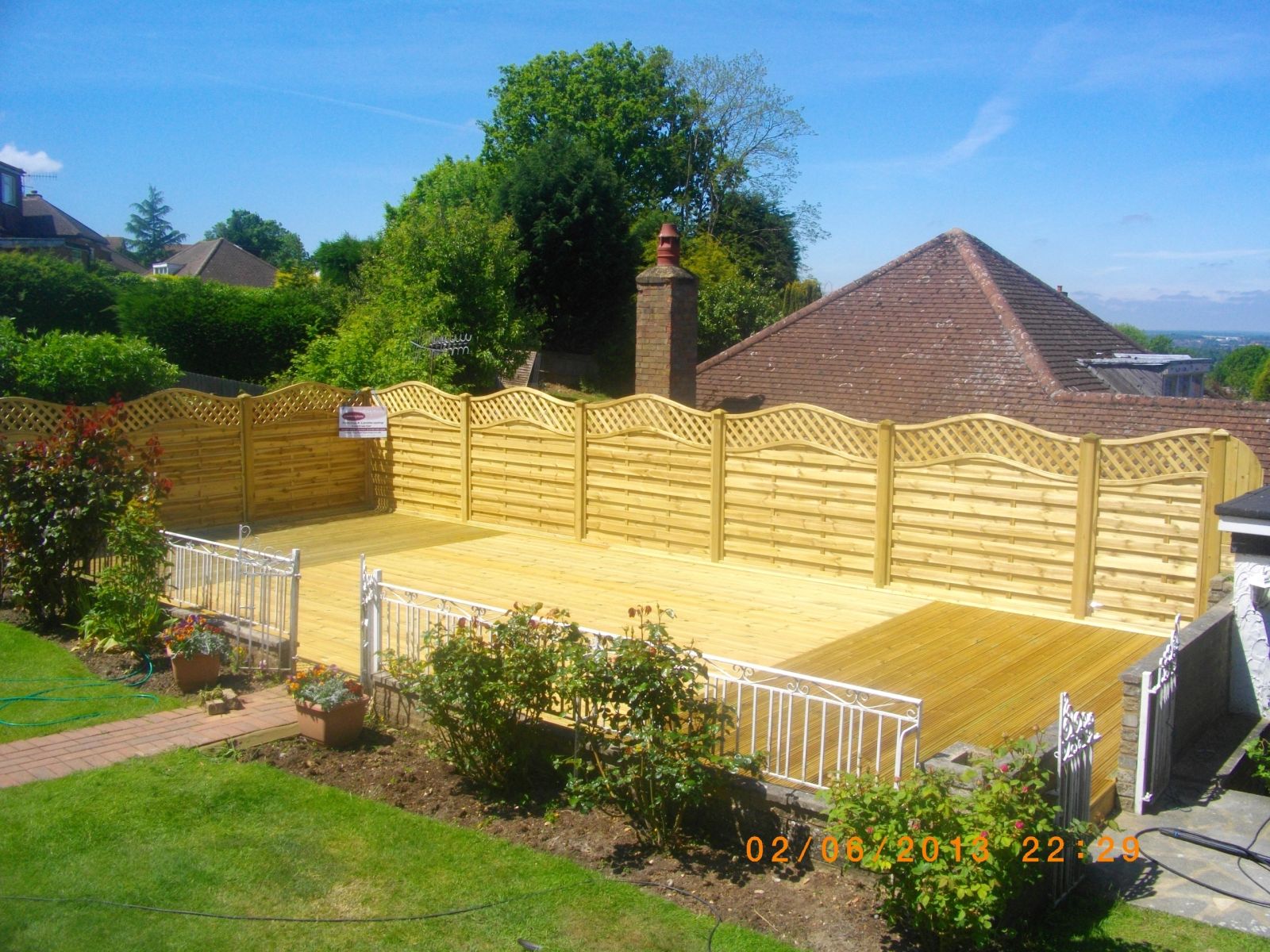
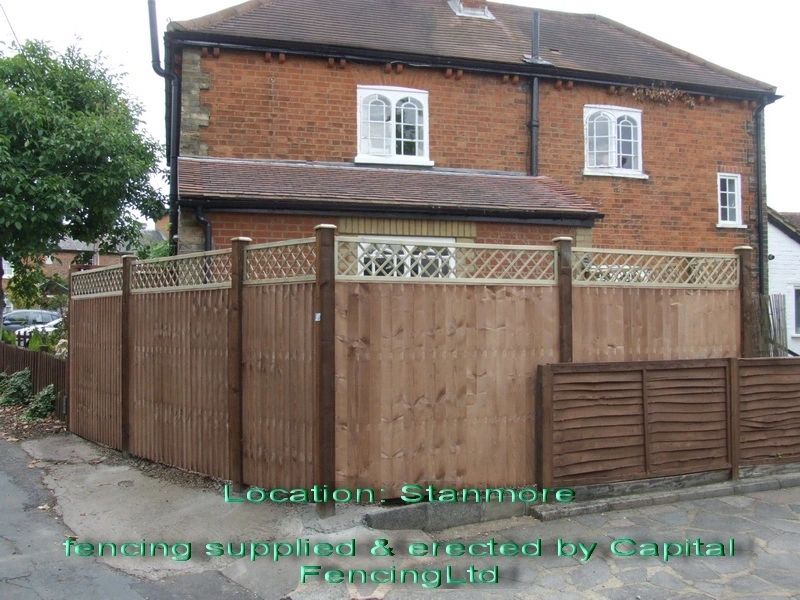
closeboard fence run installed by Capital Fencing in Waltham Cross (EN8)
Waltham Cross · EN8

New build fencing across Waltham Cross — Broxbourne Borough

New-Build Garden Fencing in Waltham Cross is a specific brief for us — buyers on modern estates upgrading the developer's minimum-spec boundary after handover. The default local answer isn't a stock catalogue drop: it's 6ft closeboard on concrete posts, 150mm gravel boards, mid-rail capped — a genuine 15-year replacement for the developer's 4-year panel. On Waltham Cross sites we also spec around shared boundaries plus a high turnover of rental properties means landlord-friendly specs matter, which is where a lot of new-build boundary fencing jobs quietly fail two years in. Roads such as Park Lane and Eleanor Cross Road are typical of the local layout. Eleanor Cross monument is a useful local reference point. Waltham Cross sits at the junction of the M25 and A10, historically a coaching-road crossing point marked by the medieval Eleanor Cross monument.

New-Build Garden Fencing in Waltham Cross is a specific brief for us — buyers on modern estates upgrading the developer's minimum-spec boundary after handover. The default local answer isn't a stock catalogue drop: it's 6ft closeboard on concrete posts, 150mm gravel boards, mid-rail capped — a genuine 15-year replacement for the developer's 4-year panel. On Waltham Cross sites we also spec around shared boundaries plus a high turnover of rental properties means landlord-friendly specs matter, which is where a lot of new-build boundary fencing jobs quietly fail two years in. Roads such as Park Lane and Eleanor Cross Road are typical of the local layout. Eleanor Cross monument is a useful local reference point. Waltham Cross sits at the junction of the M25 and A10, historically a coaching-road crossing point marked by the medieval Eleanor Cross monument.

Default spec

How we build new-build boundary fencing in Waltham Cross

6ft closeboard on concrete posts, 150mm gravel boards, mid-rail capped — a genuine 15-year replacement for the developer's 4-year panel. On Waltham Cross jobs we adjust for shared boundaries plus a high turnover of rental properties means landlord-friendly specs matter.

Property mix locally: Victorian and Edwardian terraces near the town centre, with newer estates toward Theobalds. Typical gardens: small to medium gardens; many older properties share boundary fences with both neighbours. Postcodes we regularly service: EN8.

Why this spec, for buyers on modern estates upgrading the developer's minimum-spec boundary after handover

  • no more callouts every winter — the standard developer spec fails inside four years and we know exactly what fails
  • we work around plot-boundary pegs and drainage runs that new-build gardens hide badly
  • quotes broken down so you can see exactly where the money over the developer spec goes

Where new-build boundary fencing isn't the right answer

  • estates still inside a developer snagging period where the boundary is their liability to fix
  • estates with Section 106 covenants on boundary appearance — check the deeds first

Typical new-build boundary fencing briefs in Waltham Cross

  • adding trellis and gravel boards to lengthen the life of an otherwise usable developer fence
  • raising a shared boundary height with neighbour agreement, keeping to permitted development

New-Build Garden Fencing FAQs — Waltham Cross

Can I replace the developer's fence in the first two years?

On new-build boundary fencing jobs in Waltham Cross (EN8), our default answer is: 6ft closeboard on concrete posts, 150mm gravel boards, mid-rail capped — a genuine 15-year replacement for the developer's 4-year panel. We'll walk you through no more callouts every winter — the standard developer spec fails inside four years and we know exactly what fails on the site visit before you commit.

Can you match my neighbour's post colour and spacing?

Across Waltham Cross we spec around shared boundaries plus a high turnover of rental properties means landlord-friendly specs matter, so on new-build boundary fencing that usually means 6ft closeboard on concrete posts. The honest trade-off is putting new closeboard on the existing developer posts — those are the part that failed first, not the panels — which is exactly what our default spec designs out.

Do you handle the neighbour conversation on a shared boundary?

Broxbourne Borough coverage means we can survey most EN8 addresses inside a week — buyers on modern estates upgrading the developer's minimum-spec boundary after handover. For context: we work around plot-boundary pegs and drainage runs that new-build gardens hide badly. Measured, quoted and installed by the same small crew.

What's the maximum height without planning on a new build?

Practically: replacing developer 4ft overlap panels with 6ft closeboard on concrete posts. That's the Waltham Cross version of this job, not a generic one. The honest trade-off is putting new closeboard on the existing developer posts — those are the part that failed first, not the panels — which is exactly what our default spec designs out.

Can new panels be fitted to existing developer posts?

On new-build boundary fencing jobs in Waltham Cross (EN8), our default answer is: 6ft closeboard on concrete posts, 150mm gravel boards, mid-rail capped — a genuine 15-year replacement for the developer's 4-year panel. The honest trade-off is putting new closeboard on the existing developer posts — those are the part that failed first, not the panels — which is exactly what our default spec designs out.

Recent new-build garden fencing work
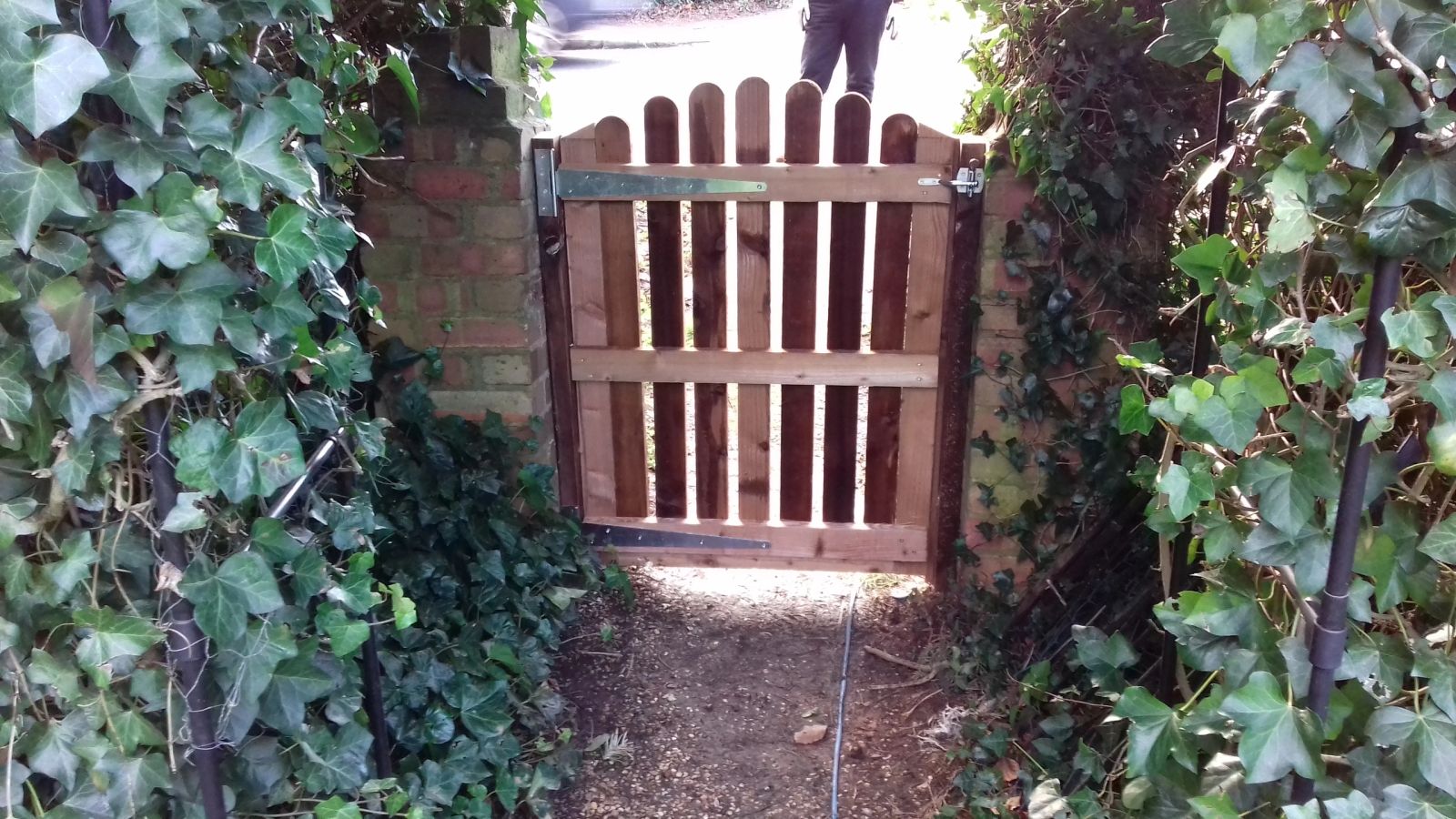
closeboard fence run installed by Capital Fencing in Waltham Cross (EN8)panel fence install installed by Capital Fencing in Waltham Cross (EN8)trellis-topped fence installed by Capital Fencing in Waltham Cross (EN8)bespoke decorative fence installed by Capital Fencing in Waltham Cross (EN8)

What actually matters for new-build garden fencing around Waltham Cross

Specification driven by an insurer's boundary requirements

Some commercial and high-value premises have boundary security requirements set by an insurance policy — a minimum fence height, mesh type or lock standard — that the fencing spec has to meet regardless of what would otherwise be chosen.

Where a specific requirement applies, it's worth getting it in writing from the policy documents before quoting, since fitting to a general standard when a stricter one is required can leave a gap the client didn't expect.

Secure by Design principles for boundaries

Secure by Design is a police-backed set of principles covering layout, lighting, sightlines and boundary treatment that developments are assessed against, and fencing specification is one part of meeting it.

Applying the principles generally means avoiding blind corners, keeping sightlines open where surveillance matters, and using proportionate rather than maximum height and solidity on each boundary.

Granular base layers under post concrete

A layer of compacted hardcore, crushed stone or pea gravel placed in the bottom of a post hole before concrete gives the post something firm to bear on and stops it sinking slightly as the concrete cures.

On free-draining ground that granular layer also gives water somewhere to go rather than pooling under the post base, which matters most where the water table sits close to the surface.

Skipping this layer on soft or waterlogged ground is a common reason a post that was plumb on installation day settles a few degrees out of true over its first winter.

Post shoe drainage detailing

A metal post shoe supports a timber post above a concrete or paved surface, and the shoe's base plate needs a way for water to drain away rather than pooling directly under the post's end grain.

Shoes with a raised or perforated base, rather than a flat solid plate, let water that does reach the post's foot drain or evaporate rather than sitting trapped between metal and timber.

Even a well-designed shoe underperforms if it's set into a low point that collects surface water, so the surrounding ground or paving level, not just the shoe detail itself, needs to shed water away from the post base.

Urban heat and timber movement

Fencing against south-facing brick walls, paved courtyards or close to parked vehicles in dense urban plots experiences more extreme daily temperature swings than the same timber in an open garden, due to heat absorbed and re-radiated by hard surfaces.

That repeated expansion and contraction can open joints in panels and loosen fixings faster than in a more moderate microclimate, particularly on darker-stained timber that absorbs more heat.

Stainless or coated fixings and slightly looser panel-to-post tolerances both help absorb this movement without splitting timber over successive summers.

Setting out a straight run with string lines

A straight fence line starts with two fixed end points and a string line pulled taut between them, usually run just above where the posts will sit rather than at ground level where it snags on grass or debris.

On a long run the string sags under its own weight, so an intermediate profile or peg is needed every few bays to keep the sight line true rather than trusting a single span.

Any post that's set even 10-15mm off that line becomes visible once panels go in, because the eye picks up a wander in a boundary far more readily than a small step in level.

Razor mesh panel systems for high-security compounds

A razor mesh panel embeds short, sharp folded barbs directly into the mesh weave itself rather than adding a separate topping coil, giving an anti-cut and anti-climb barrier across the whole panel height rather than only at the top.

These panels carry a higher injury risk than a standard mesh and are typically reserved for high-value compounds such as a fuel depot or a substation, kept well away from any pedestrian route.

Striker plate material and post protection

A metal striker plate let into the post protects the timber from repeated latch impact and gives the latch bolt a hard, true surface to engage with, rather than relying on the post timber itself to take that wear.

A post without a striker plate develops a worn, rounded hole around the latch opening over time, which eventually stops the latch holding securely even if realigned.

Frost heave effects on shallow-set posts

Frost heave occurs when water in saturated soil freezes and expands, lifting the ground surface and any shallowly set post embedded in it, sometimes by several millimetres each freeze-thaw cycle over a winter.

Posts set below the typical frost penetration depth for the region are far less affected, since the freezing zone that drives heave rarely reaches that far down, which is one reason recommended minimum depths are deeper in areas with harder winters.

A post that's visibly risen slightly over a hard winter, without any sign of the concrete cracking, has often been affected by heave rather than a failed footing, and it can sometimes settle back as the ground thaws.

CDM Regulations and domestic clients

The Construction (Design and Management) Regulations 2015 apply even to domestic projects like fencing and decking, though in a domestic setting the client's specific duties are normally treated as passed to the contractor unless otherwise agreed.

In practice this means the appointed contractor typically takes on responsibility for managing health and safety on the project, rather than the homeowner personally.

It's still reasonable for a homeowner to ask how a contractor manages site safety, particularly on larger multi-trade projects involving several contractors on the same domestic site.

Mesh apertures and wire gauge

A mesh fence's aperture, the size of each gap between wires, and its wire gauge, the wire's diameter, together determine how much it restricts sightlines, resists intrusion and how heavy the finished panel is.

A smaller aperture with a heavier gauge wire gives better security and a more solid appearance, but adds weight and wind load that the supporting posts and foundations need to be sized for.

Wire gauge is often expressed in millimetres in current UK specifications rather than the older imperial standard wire gauge numbers, and mixing the two systems when comparing products can lead to ordering the wrong strength mesh.

Repair-versus-replace where the original fence style is discontinued

Where a damaged section uses a panel style, board profile or post section that's no longer manufactured, a close match might be achievable for a small repair, but a larger area of damage can tip the balance toward replacing the whole run in a current style rather than chasing an increasingly poor match.

This is a judgement client conversation as much as a technical one, since some clients prioritise keeping the existing look even with a visible join, while others would rather have a uniform new run.

Lap panels versus closeboard durability

Overlap (lap) panels are factory-assembled from thin horizontal slats stapled to a light timber frame, which makes them cheap and quick to fit but noticeably shorter-lived than boarded fencing.

The thin slats and lightweight frame flex in wind and the staples pull through over a handful of seasons, especially on an exposed run, whereas closeboard's thicker feather-edge boards and nailed arris rails tolerate the same movement without failing.

Lap panels suit a budget-driven job with modest exposure; anywhere wind-loaded or expected to last well past a decade is better specified as closeboard from the outset.

Cutting and resealing treated timber ends on site

Any cut made to pressure-treated timber on site exposes an untreated core at that face, since preservative penetration doesn't reach the centre of most sections, and that cut end is then the most vulnerable point on the whole piece.

Brushing a compatible end-grain preservative onto every site cut before the piece is fixed restores a working level of protection at minimal extra time, and is worth building into the cutting process rather than treated as optional.

Post tops cut to length on site are a common place this gets missed, since the cut is often made last, after the post is already concreted in, when it's easy to move on to the next post without going back to treat the cut.

Handling excavated spoil on a fencing job

Digging even a modest run of post holes generates a surprising volume of spoil, and leaving it in a single heap on a lawn for the duration of a job kills the grass underneath if left more than a few days.

Spreading spoil thinly on a border, bagging it for removal, or arranging same-day disposal all avoid that dead patch, and the right choice depends on whether the client wants the spoil kept for landscaping elsewhere on the plot.

Heavy clay spoil is particularly slow to dry and awkward to barrow once it's rained on, so timing the dig to avoid leaving wet spoil sitting overnight where possible reduces both the mess and the extra effort of moving it later.

Boundary fencing between church grounds and an adjoining graveyard

Church grounds fencing often has to distinguish between an actively used graveyard area, where ground disturbance for post holes needs careful checking against known burial plots, and a wider grounds boundary where standard fixing methods apply without restriction.

A lychgate or similar traditional entrance feature is frequently retained as the visual and ceremonial entry point even where a plainer security fence is added around the rest of the boundary for practical reasons.

Using packers to correct a slightly out-of-true panel fit

A small gap between a panel edge and a post face, caused by a minor inconsistency in post spacing rather than a genuine error, can often be taken up with a thin timber packer rather than re-digging and resetting the post.

Packers need fixing securely rather than simply wedged in, since a loose packer left to rattle under wind load will eventually work its way out and leave the original gap again.

Repeated packing along a run is a sign the underlying setting-out was slightly off rather than a one-off issue, and it's worth checking overall spacing again if more than an occasional panel needs correcting this way.

Strainer posts and wire tensioning loads

A strainer, or straining post, anchors the end of a tensioned wire or mesh run and needs to resist a sustained pulling load along the line of the fence, which is a materially different stress to the mostly lateral wind load an intermediate post experiences.

Strainer posts are typically set deeper, in a larger concrete footing, or braced with a diagonal strut back to a second post, specifically to resist this sustained pull rather than an occasional gust.

Under-specifying a strainer post relative to the wire tension applied is a common cause of an entire fence run gradually leaning inward from one end, since the strainer post itself moves rather than the wire actually loosening.

Dust and noise control in a tight garden

Cutting timber, breaking out old concrete bases or using a petrol auger all generate noise and dust that carries further in a small enclosed garden between close-set houses than on an open plot.

Local authorities can restrict noisy work hours under the Control of Pollution Act, and even where no formal restriction applies, starting before a reasonable hour or working into the evening is one of the fastest ways to draw a neighbour complaint.

Sheeting off concrete-cutting dust and keeping cut ends away from a neighbour's washing line or open windows is a small step that avoids most of the friction on a shared boundary job.

Solid panel screening against wind loading and neighbour impact

A solid-faced security panel gives better visual screening and blocks a would-be intruder's view of what's inside a compound, but it also catches significantly more wind than an open mesh or picket design of the same height, requiring stronger posts and closer spacing to stay stable.

Where a solid screen also sits close to a neighbouring property, its impact on that neighbour's light and outlook is worth considering alongside the loading calculation, since a taller solid screen can raise a separate boundary dispute even where it's structurally sound.

Cutting a panel down for a short bay

A lap or closeboard panel can usually be cut down in width by removing boards from one edge and refixing the cut edge to the panel's own frame, provided there's still a batten or rail to fix into once the cut is made.

Concrete panels generally can't be cut at all, which is one of the practical reasons timber is chosen over concrete gravel-board-and-panel systems on an irregular boundary with several odd-width bays.

Whatever is cut, the new edge needs its own vertical support — either an extra batten screwed to the frame or, for a wider cut-down section, a slip post — so the panel doesn't flex or drop at the trimmed end.

Protecting a driveway surface during on-site concrete mixing

Mixing concrete directly on a resin-bound, block-paved or stamped concrete driveway risks permanent staining if spilt mix isn't cleared immediately, since cement staining bonds into a porous surface far more readily than it wipes off.

A mixing board or tray, and a bucket of clean water kept nearby to rinse tools and any spillage straight away, are simple precautions that cost little time compared with the alternative of professionally cleaning a stained driveway afterwards.

Where a mixer is used rather than hand-mixing, positioning it so any spill or overflow lands on a protected area rather than the finished surface is worth doing before the first batch rather than after the first mess.

On new-build boundary fencing in Waltham Cross you get the same crew from first site visit to hand-over. That's the whole model — small team, match-what-you-have spec, written quote before we start. Roads such as Park Lane and Eleanor Cross Road are typical of the local layout. Waltham Cross station is a useful local reference point. Theobalds Park, on the town's edge, includes land with heritage designations affecting nearby boundary treatments.

Get In Touch

Get My Free Quote — 24h Response

No callout fee · Free site visit · Friendly local team covering London & Hertfordshire.

Call us
07885907880
or 02036484746
Email
capital_fencing@yahoo.com
WhatsApp
Message us anytime
Area
London & Hertfordshire
Payment
Card payments accepted

Pay by debit or credit card, bank transfer or cash once the work and price are agreed. No deposit taken online.

Request a Free Quote

We'll get back to you within 24 hours.

Free Site Visit No Callout Fee
Call WhatsAppQuote