London & Hertfordshire Free Site Visit
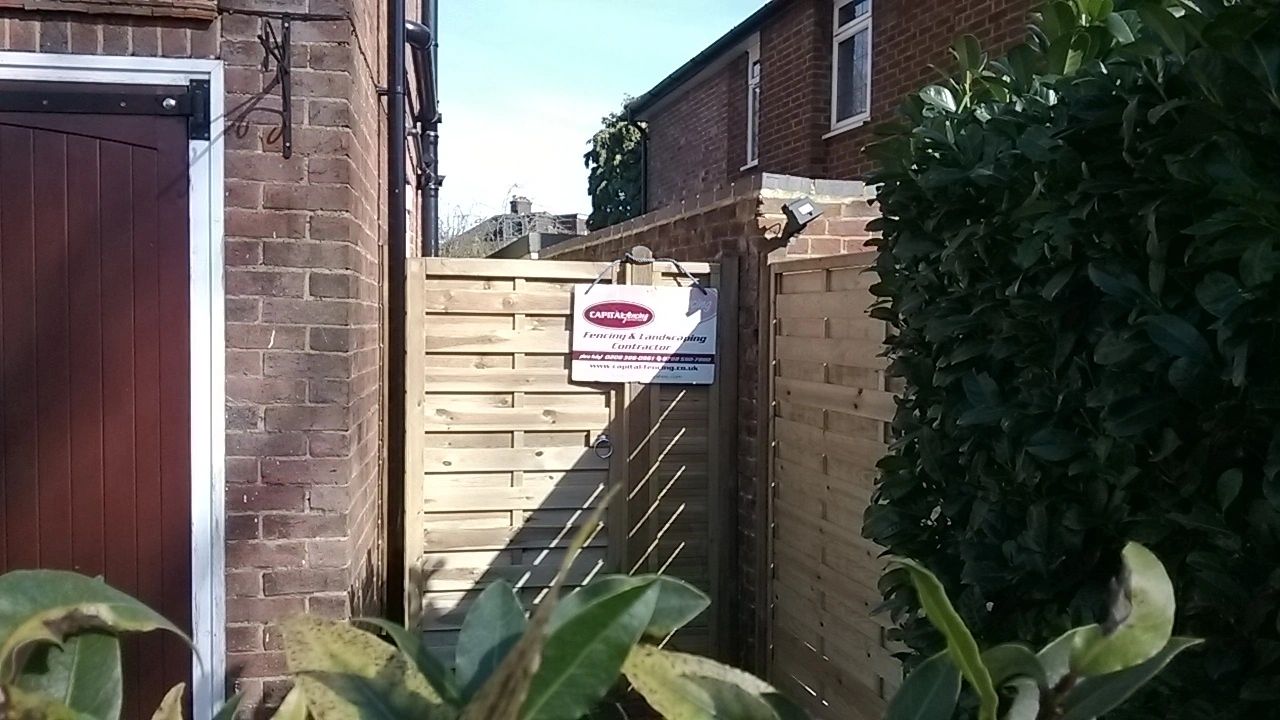
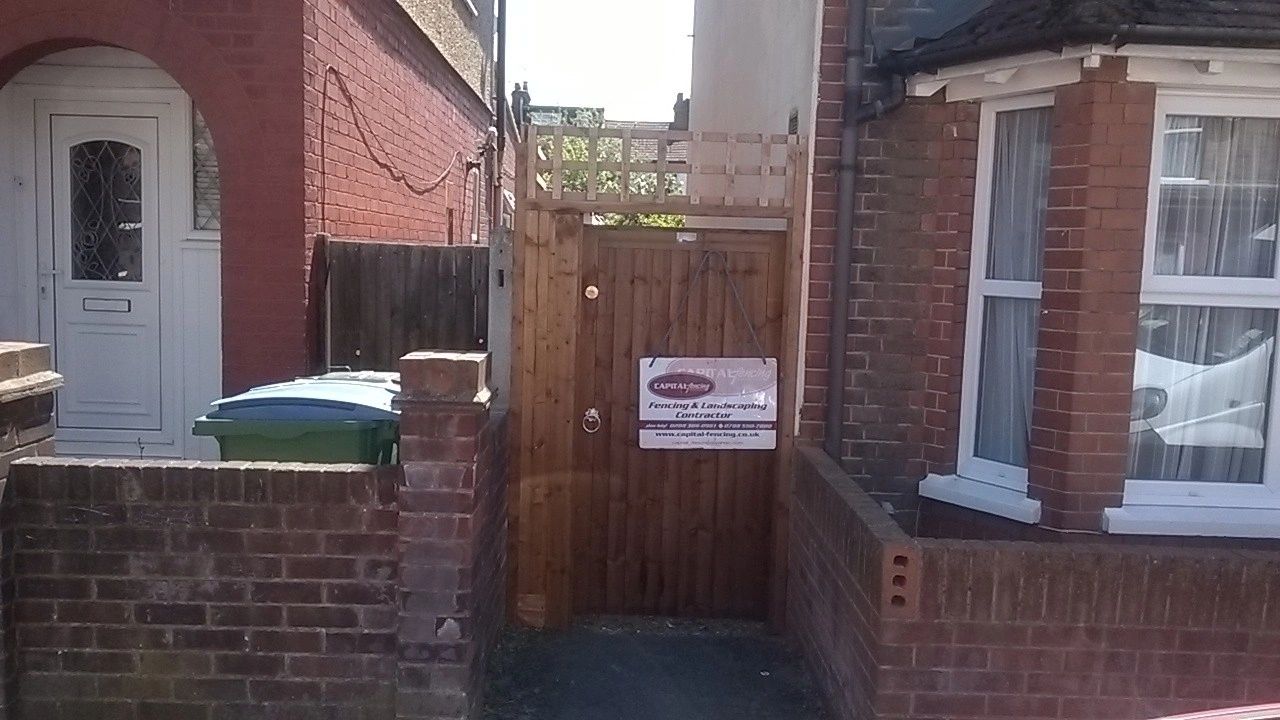
bespoke wooden gate installed by Capital Fencing in Ware (SG12)
Ware · SG12

Side return gate across Ware — East Hertfordshire District

Side-return gates in Ware is one of our regular briefs — London terraces and semis with a narrow alley between the house and the neighbouring wall. On georgian and victorian properties in the centre with long thin riverside plots — many drop down to the New River and need retaining work, the failure mode we see most often is the one we design out first. Roads such as Star Street and High Street are typical of the local layout. Ware Priory is a useful local reference point. Ware's riverside streets sit close to both the River Lea and the New River, a historic aqueduct built in the seventeenth century to supply London with drinking water.

Side-return gates in Ware is one of our regular briefs — London terraces and semis with a narrow alley between the house and the neighbouring wall. On georgian and victorian properties in the centre with long thin riverside plots — many drop down to the New River and need retaining work, the failure mode we see most often is the one we design out first. Roads such as Star Street and High Street are typical of the local layout. Ware Priory is a useful local reference point. Ware's riverside streets sit close to both the River Lea and the New River, a historic aqueduct built in the seventeenth century to supply London with drinking water.

Default spec

How we build side-return gates in Ware

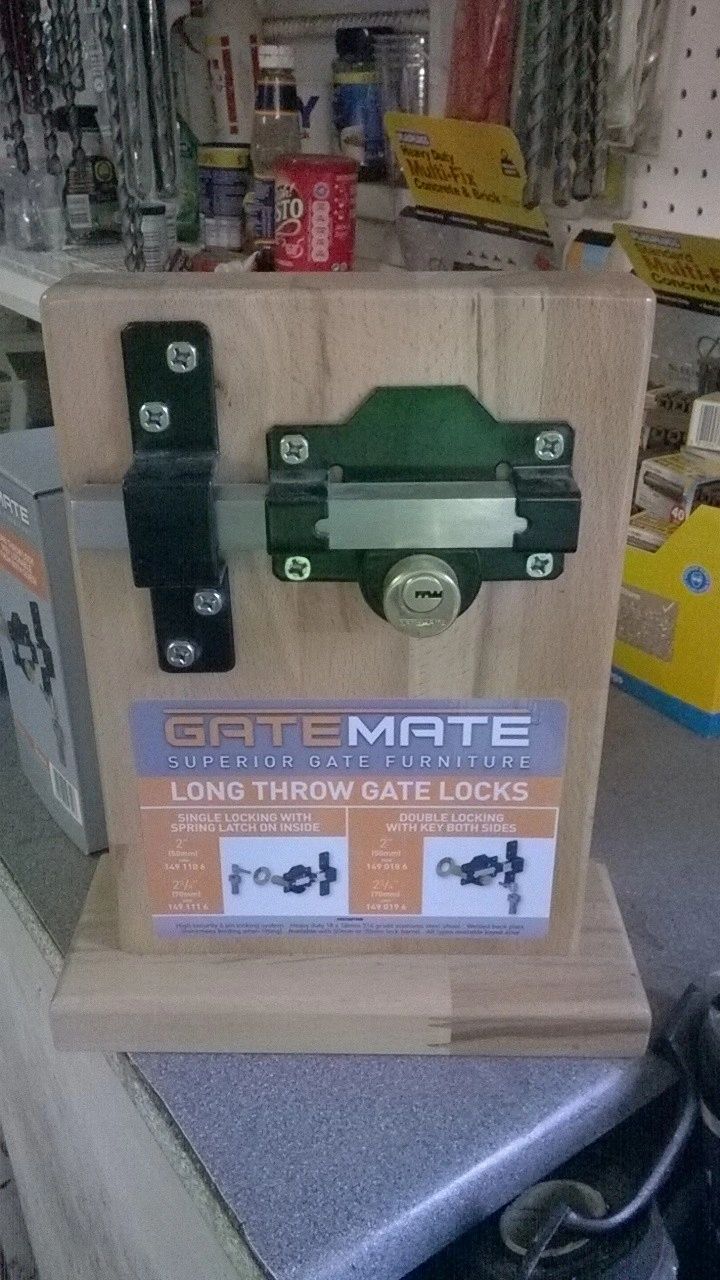
44mm framed hardwood or planed softwood, tongue-and-groove infill, adjustable ball-race hinges, closing stop and drop-bolt. On Ware jobs we adjust for riverside plots can hit the water table within two spades — concrete-set posts and proper drainage are essential.

Property mix locally: Georgian and Victorian properties in the centre, with newer suburban estates around Wengeo Lane. Typical gardens: long thin riverside plots — many drop down to the New River and need retaining work. Postcodes we regularly service: SG12.

Why this spec, for London terraces and semis with a narrow alley between the house and the neighbouring wall

  • framed builds don't drop the way board-and-batten side gates do in year two
  • adjustable hinges handle the seasonal timber movement every London side gate experiences
  • made to the exact opening — no packing pieces, no gaps for burglars or foxes

Where side-return gates isn't the right answer

  • openings under 700mm where a person can't comfortably pass with a bin — a fixed panel is often the honest answer
  • shared alley gates where freehold consent from both parties hasn't been agreed

Typical side-return gates briefs in Ware

  • tongue-and-groove side gate framed on adjustable ball-race hinges to cope with seasonal timber movement
  • hardwood side gate between a rendered wall and a brick pier, 780mm opening, drop-bolt into a concrete slab socket

Side Return Gates FAQs — Ware

How wide can a single side gate span before it needs a wheel?

On side-return gates jobs in Ware (SG12), our default answer is: 44mm framed hardwood or planed softwood, tongue-and-groove infill, adjustable ball-race hinges, closing stop and drop-bolt. For context: adjustable hinges handle the seasonal timber movement every London side gate experiences. Measured, quoted and installed by the same small crew.

Softwood or hardwood for a London side gate?

Across Ware we spec around riverside plots can hit the water table within two spades — concrete-set posts and proper drainage are essential, so on side-return gates that usually means iroko hardwood on galvanised ironmongery for 15+ year service. The honest trade-off is fitting a full-weight hardwood gate on domestic pin hinges — drops within six months — which is exactly what our default spec designs out.

Can you match the gate to my existing side-return fencing?

East Hertfordshire District coverage means we can survey most SG12 addresses inside a week — London terraces and semis with a narrow alley between the house and the neighbouring wall. For context: adjustable hinges handle the seasonal timber movement every London side gate experiences. Measured, quoted and installed by the same small crew.

Is a drop-bolt necessary as well as a lock?

Practically: hardwood side gate between a rendered wall and a brick pier, 780mm opening, drop-bolt into a concrete slab socket. That's the Ware version of this job, not a generic one. For context: adjustable hinges handle the seasonal timber movement every London side gate experiences. Measured, quoted and installed by the same small crew.

How do you stop a side gate dropping over time?

On side-return gates jobs in Ware (SG12), our default answer is: 44mm framed hardwood or planed softwood, tongue-and-groove infill, adjustable ball-race hinges, closing stop and drop-bolt. We'll walk you through framed builds don't drop the way board-and-batten side gates do in year two on the site visit before you commit.

Recent side return gates work
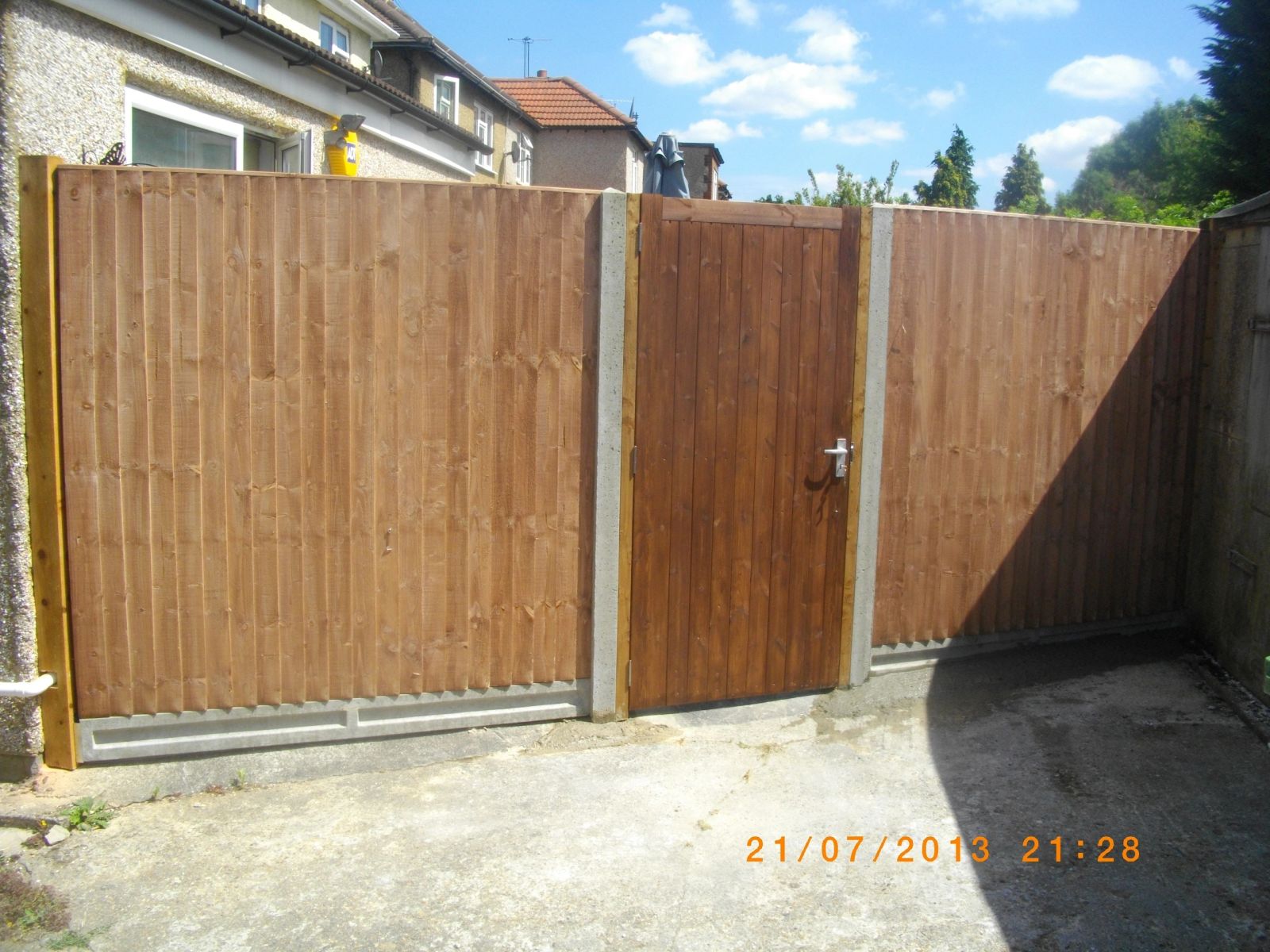
bespoke wooden gate installed by Capital Fencing in Ware (SG12)double driveway gates installed by Capital Fencing in Ware (SG12)hardwood side gate installed by Capital Fencing in Ware (SG12)metal entrance gate installed by Capital Fencing in Ware (SG12)

Side Return Gates in Ware: the practical detail

Boundary fencing around church grounds

Church grounds often combine a public-facing boundary that needs to stay welcoming during opening hours with a requirement to secure the building and any lead roof or metalwork against theft outside those hours, which can mean a lower decorative railing at the frontage and a more solid, higher-security line around the building itself.

Listed building status is common on older churches, so railing style and any new fixing into existing stone or brick boundary walls usually needs consent before work starts.

Resetting versus replacing a post

A post repair is either a reset in fresh concrete where the timber itself is sound, a concrete spur bolted above a rotten section where enough good timber remains, or a full replacement where rot has reached the panel fixings.

We test each post on site with a probe at ground level rather than deciding from a visual check alone, since a post can look fine above ground and be rotten just below it.

Redwood versus whitewood softwood

Redwood, more accurately European or Baltic redwood pine, has a denser structure and a naturally more durable heartwood than whitewood, which is typically spruce and has almost no natural decay resistance.

Both take preservative treatment reasonably well, but whitewood's tighter, harder-to-penetrate structure is one of the species that benefits most from incising before treatment.

In practice most fencing softwood sold as generic 'treated timber' doesn't distinguish clearly between the two, so the preservative treatment does more of the durability work than the species itself.

Re-securing capping that has lifted along a run

Capping lifts where its own fixings have corroded or worked loose faster than the panel beneath, since it's the most exposed timber on the whole fence and takes the brunt of driving rain and direct sun.

A short lifted section can sometimes be re-screwed if the timber underneath is still sound, but capping that's cupped or split along its length as well as lifting is better replaced in full lengths rather than patched piece by piece.

Screw pull-out values in timber

A screw's resistance to being pulled straight out of timber depends on thread depth, shank diameter and the density of the timber it's driven into, with denser hardwoods offering significantly higher pull-out resistance than softwoods for the same screw.

Coarse-thread screws designed for softwood construction generally have deeper, wider-spaced threads than fine-thread screws intended for hardwood or metal, since softwood's lower density needs more thread engagement to achieve comparable grip.

Pre-drilling a pilot hole reduces the risk of splitting dense or knotty timber but also slightly reduces ultimate pull-out resistance compared with a screw self-tapping fully into undrilled timber, which is a trade-off worth balancing against the specific timber and screw.

Right to light and a tall boundary fence

There's no general legal 'right to a view' or automatic entitlement to sunlight in a garden, so a taller boundary fence built within the applicable height limits usually isn't unlawful purely because it shades a neighbour's garden.

Right to light law in England mainly concerns windows in buildings that have enjoyed light for a long period, rather than open garden space, and even then applies in fairly narrow circumstances.

Where a taller fence is likely to significantly affect a neighbour's garden, discussing it before building tends to prevent ill feeling even where there's no strict legal obstacle.

Fixings into a party wall during a fence repair

Where a timber fence butts up against a party wall shared between two properties, repair work touching the wall itself — drilling new fixings, removing old brackets — can fall under party wall considerations separate from the fence repair.

In practice this mostly matters for anything beyond reusing existing fixing points; a straightforward like-for-like refit into the same holes rarely raises an issue, but a new fixing pattern into the wall is worth flagging to the client first.

Tree proximity and root-safe post positions

Digging a post hole through a tree's root protection area can damage roots enough to destabilise the tree or trigger a preservation order breach, so post positions are offset or moved to hand-dug, narrower holes where a root is found.

A boundary running close to a protected tree is checked against its root spread before any layout is finalised, rather than adjusted only once digging hits a problem.

Digging out a post hole obstructed by established roots

A footing being reopened for repair sometimes has tree or shrub roots grown through or around it since the original installation, and cutting through a substantial root without checking what it belongs to risks damaging a protected tree or destabilising nearby planting.

Where roots are minor, careful digging around rather than through them lets the post go back in the same position; where a significant root has effectively taken over the footing, repositioning the post slightly is often the more practical repair.

Gravel board rot and replacement

The gravel board takes the most ground contact and splashback of any timber component on the fence, so it's usually the first piece to need replacing regardless of how sound the panels or posts above it are.

Swapping a rotten timber gravel board for a concrete one at repair time removes that recurring failure point without needing to touch the panel above it.

Repair-versus-replace where the original fence style is discontinued

Where a damaged section uses a panel style, board profile or post section that's no longer manufactured, a close match might be achievable for a small repair, but a larger area of damage can tip the balance toward replacing the whole run in a current style rather than chasing an increasingly poor match.

This is a judgement client conversation as much as a technical one, since some clients prioritise keeping the existing look even with a visible join, while others would rather have a uniform new run.

Curing time before hanging panels or gates

Post-fixing concrete reaches a usable strength within a day or two but continues gaining strength for weeks afterwards, which is why manufacturers usually specify a minimum wait — commonly around 24-48 hours in mild weather — before loading a post with a panel.

Hanging a heavy gate is a bigger test of an early-cured base than fixing a lightweight panel, since the gate applies a constant leverage on the post rather than a static side load, so gate posts generally want the longer end of any recommended cure window.

Cold weather slows the chemical reaction that hardens concrete significantly, so a cure time that's fine in summer may need extending in winter before it's safe to load the post.

Drainage consents affecting boundary works

Altering ground levels, hardstanding or drainage patterns near a boundary can affect surface water flow onto a neighbour's land, and in some cases needs consent from the local authority or, for work near a watercourse, from the relevant drainage authority or the Environment Agency.

Diverting water so that it discharges onto next door's garden rather than soaking away on the original plot is a common and avoidable source of neighbour disputes, separate from any formal consent requirement.

Where boundary work is combined with a change in levels or new hard surfacing, it's worth checking whether the combined works trigger a drainage consent even if the fence itself wouldn't on its own.

Arris rails and rail counts by height

Arris rails are the triangular-section horizontal timbers that run between posts and carry the vertical boards in a closeboard fence, and how many are used per bay is set by the finished height rather than fixed at two everywhere.

A fence up to around 1.2m typically runs on two rails, but anything taller — particularly 1.8m closeboard — needs a third rail roughly at mid-height to stop the boards bowing outward under wind pressure.

Morticing the rail ends into the post rather than merely nailing them on gives a stiffer, longer-lived joint, which matters more as the number of rails and the height of the fence both increase.

Resin bleed from softwood

Softwoods such as pine and spruce contain resin pockets that can continue to weep sticky sap for months after installation, especially on timber that's been kiln-dried quickly or exposed to strong summer sun.

Resin bleed shows up as a darkened, tacky patch on the surface and can telegraph through paint or stain if the timber isn't left to stabilise, or if a sealer coat isn't applied over the affected area first.

It's a cosmetic issue rather than a durability one, and it typically resolves itself as the timber fully seasons, though staining over an active resin pocket without treating it first often needs redoing.

Matching materials for a repair within a conservation area

A conservation area doesn't automatically restrict fence repairs, but where a specific material or style was originally required as a planning condition, a repair should match that condition rather than defaulting to a cheaper or more convenient modern alternative.

Checking any existing planning history for the property before sourcing repair materials avoids fitting something compliant with general fencing rules but not with a condition specific to that site.

Concrete mix choice by ground type

A standard post-fix or wet-mix concrete works well in firm, free-draining ground, but the same mix in waterlogged clay can trap moisture against the post rather than supporting it, encouraging rot from below rather than preventing it.

In consistently wet ground, a free-draining aggregate base under a shorter concrete collar generally outperforms a full concrete plug for timber post longevity.

In very loose or made ground, a wider hole with more concrete volume compensates for poor natural bearing, essentially building an artificial firm base where the soil itself can't provide one.

Ivy growth as a structural load

Established ivy doesn't just sit on a fence for appearance — its woody stems and aerial roots add real dead weight, and a mature growth can add the equivalent of several boards' worth of load to a panel over years of unchecked growth.

Ivy also holds moisture directly against the timber or brickwork it covers, which accelerates rot or mortar erosion underneath even though the visible growth looks healthy.

Removing mature ivy from a fence intended to stay in place needs care, since cutting the base and letting it die back gradually avoids suddenly exposing timber that has been softened by long-term dampness underneath.

High water table and drainage

Gardens near a river, floodplain or low-lying valley bottom can have a water table close enough to the surface that a normal post hole fills with water before the concrete goes in.

The practical answer is a free-draining aggregate base rather than a solid concrete plug, so ground water can move past the post instead of sitting against it and accelerating rot in untreated timber.

On repeat-flood plots we'd also flag gravel boards set slightly proud of ground level, so the panel itself sits above the usual high-water mark even if the boards need replacing more often.

Good practice notifying a neighbour before work starts

There's no general legal requirement to notify a neighbour before replacing a fence that sits entirely on your own land, but doing so avoids most of the friction that boundary work can otherwise cause.

A short conversation or note covering timing, likely noise, and any need for brief access to their side goes a long way toward a smooth job.

Where the new fence will differ noticeably in height, style or colour from what's there now, flagging that in advance tends to head off objections that only surface once the work is finished.

Seasonal restrictions on hedge and vegetation clearance

Clearing vegetation or a hedge to make way for a fence during bird nesting season, broadly March to August, risks disturbing an active nest, which is a wildlife offence regardless of whether the fencing work itself is otherwise unrestricted.

A quick visual check for active nests before cutting back growth is standard practice, and where a nest is found the sensible step is working around it rather than pushing ahead with clearance.

Outside nesting season, most routine hedge cutting ahead of fencing work has no seasonal restriction, though thicker or more established hedgerows may still need the checks covered elsewhere for protected hedgerows.

Land Registry title plans and their limits

Land Registry title plans are based on Ordnance Survey mapping and are deliberately described as showing 'general boundaries' rather than the precise legal line, typically accurate to a scale where a boundary can shift by up to half a metre without contradicting the plan.

That means a title plan is rarely enough on its own to settle exactly where a fence should sit to the centimetre, particularly on older plots where boundaries have drifted gradually over decades of replacement.

A determined boundary application can fix a precise legal line where a dispute genuinely needs it, but for most routine fence replacements, agreeing the line by eye with reference to the existing structure and the general boundary plan is the practical approach.

Side Return Gates across SG12 is a regular run for us. We'll quote honestly, tell you if side-return gates isn't the right answer for your site, and book the job in within a week or two of a signed quote. measured, quoted and installed by the same small crew. Roads such as Musley Hill and Crane Mead are typical of the local layout. Ware Priory is a useful local reference point. Ware Priory, a former Franciscan friary, sits on the riverbank in the town centre.

Get In Touch

Get My Free Quote — 24h Response

No callout fee · Free site visit · Friendly local team covering London & Hertfordshire.

Call us
07885907880
or 02036484746
Email
capital_fencing@yahoo.com
WhatsApp
Message us anytime
Area
London & Hertfordshire
Payment
Card payments accepted

Pay by debit or credit card, bank transfer or cash once the work and price are agreed. No deposit taken online.

Request a Free Quote

We'll get back to you within 24 hours.

Free Site Visit No Callout Fee
Call WhatsAppQuote