London & Hertfordshire Free Site Visit
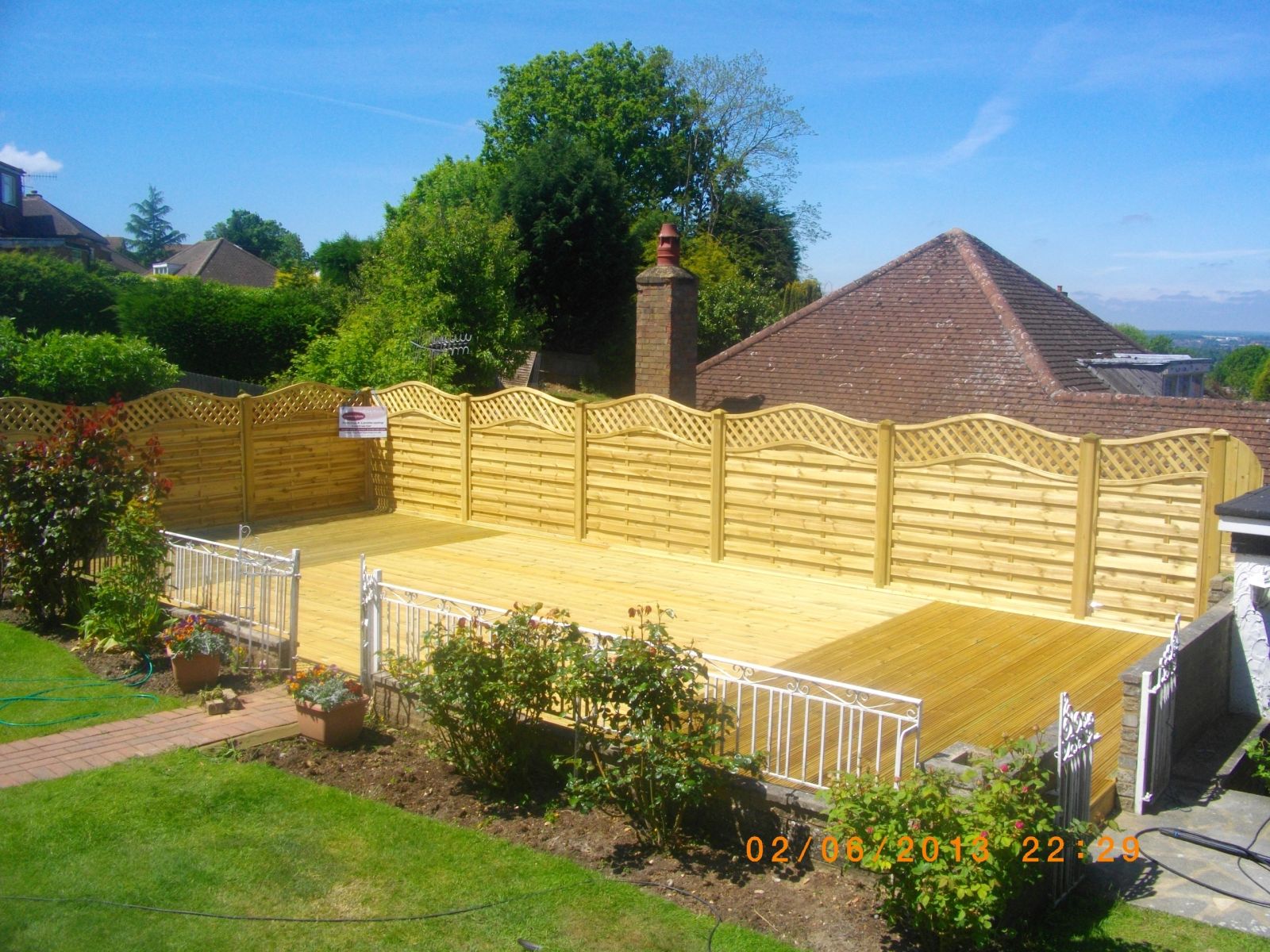
closeboard fence run installed by Capital Fencing in Waltham Cross (EN8)
Waltham Cross · EN8

Conservation area fencing across Waltham Cross — Broxbourne Borough

Conservation-area fencing in Waltham Cross is one of our regular briefs — owners in a designated conservation area or fronting a listed building — material and height rules apply. On victorian and edwardian terraces near the town centre with small to medium gardens; many older properties share boundary fences with both neighbours, the failure mode we see most often is the one we design out first. Roads such as Park Lane and Trinity Lane are typical of the local layout. Lee Valley White Water Centre is a useful local reference point. Theobalds Park, on the town's edge, includes land with heritage designations affecting nearby boundary treatments.

Conservation-area fencing in Waltham Cross is one of our regular briefs — owners in a designated conservation area or fronting a listed building — material and height rules apply. On victorian and edwardian terraces near the town centre with small to medium gardens; many older properties share boundary fences with both neighbours, the failure mode we see most often is the one we design out first. Roads such as Park Lane and Trinity Lane are typical of the local layout. Lee Valley White Water Centre is a useful local reference point. Theobalds Park, on the town's edge, includes land with heritage designations affecting nearby boundary treatments.

Why this spec, for owners in a designated conservation area or fronting a listed building — material and height rules apply

  • designs matched to the immediate street rather than a generic catalogue drop-in
  • material choices align with council conservation-area design guides — we've worked through most of them
  • we handle the neighbour and council conversation, not just the physical work

Typical conservation-area fencing briefs in Waltham Cross

  • period-style close-board rear boundary using hand-painted white or heritage green rather than dip-treated brown
  • estate railings on a low brick wall replacing a non-compliant close-panel installed by a previous owner
Default spec

How we build conservation-area fencing in Waltham Cross

painted softwood picket, oak-post estate railings or low brick-and-rail — heights kept to 1m front / 1.8m rear per PD guidance. On Waltham Cross jobs we adjust for shared boundaries plus a high turnover of rental properties means landlord-friendly specs matter.

Property mix locally: Victorian and Edwardian terraces near the town centre, with newer estates toward Theobalds. Typical gardens: small to medium gardens; many older properties share boundary fences with both neighbours. Postcodes we regularly service: EN8.

we check the property's designation, cross-reference the local design guide, and where required prepare drawings for a Certificate of Lawfulness or planning submission.

What goes wrong

Common failure modes on conservation-area fencing

  • installing anything visible from a public road above 1m at the front without permission — the notice arrives inside a month
  • using pressure-treated brown timber on a heritage frontage — flagged by neighbours before it's flagged by planning

Conservation Area Fencing FAQs — Waltham Cross

What materials are typically allowed on a period frontage?

On conservation-area fencing jobs in Waltham Cross (EN8), our default answer is: painted softwood picket, oak-post estate railings or low brick-and-rail — heights kept to 1m front / 1.8m rear per PD guidance. For context: material choices align with council conservation-area design guides — we've worked through most of them. We handle the council conversation as part of the job, not as an after-thought.

How high can a front boundary be in a conservation area?

Across Waltham Cross we spec around shared boundaries plus a high turnover of rental properties means landlord-friendly specs matter, so on conservation-area fencing that usually means hand-painted softwood picket. We check the property's designation, cross-reference the local design guide, and where required prepare drawings for a Certificate of Lawfulness or planning submission.

Do I need planning permission to change a conservation-area boundary?

Broxbourne Borough coverage means we can survey most EN8 addresses inside a week — owners in a designated conservation area or fronting a listed building — material and height rules apply. The honest trade-off is installing anything visible from a public road above 1m at the front without permission — the notice arrives inside a month — which is exactly what our default spec designs out.

Do you provide drawings for a Certificate of Lawfulness?

Practically: painted softwood picket front boundary matched to a neighbouring listed row. That's the Waltham Cross version of this job, not a generic one. We check the property's designation, cross-reference the local design guide, and where required prepare drawings for a Certificate of Lawfulness or planning submission.

Can I use closeboard in a conservation area?

On conservation-area fencing jobs in Waltham Cross (EN8), our default answer is: painted softwood picket, oak-post estate railings or low brick-and-rail — heights kept to 1m front / 1.8m rear per PD guidance. For context: material choices align with council conservation-area design guides — we've worked through most of them. We handle the council conversation as part of the job, not as an after-thought.

Recent conservation area fencing work
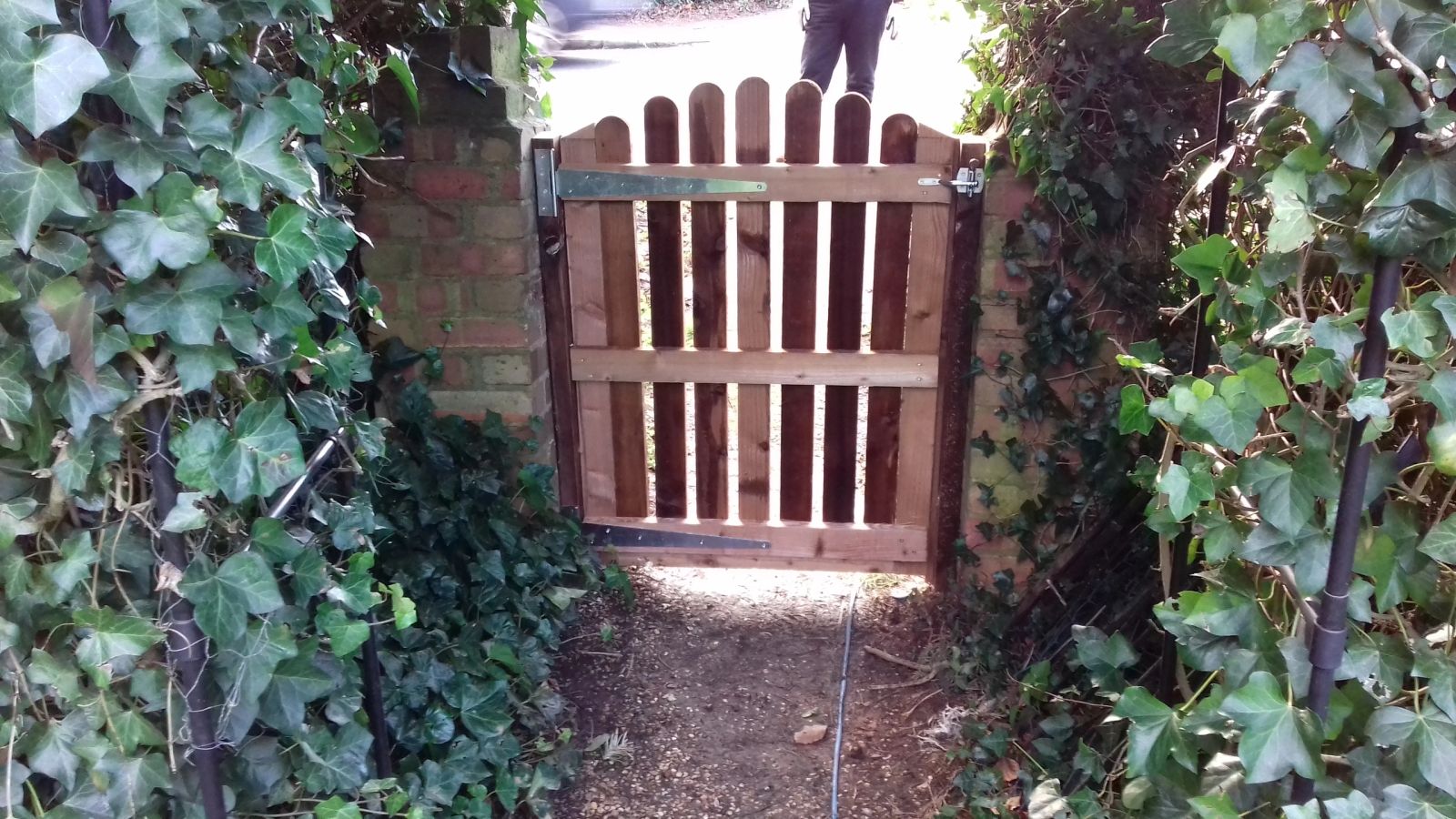
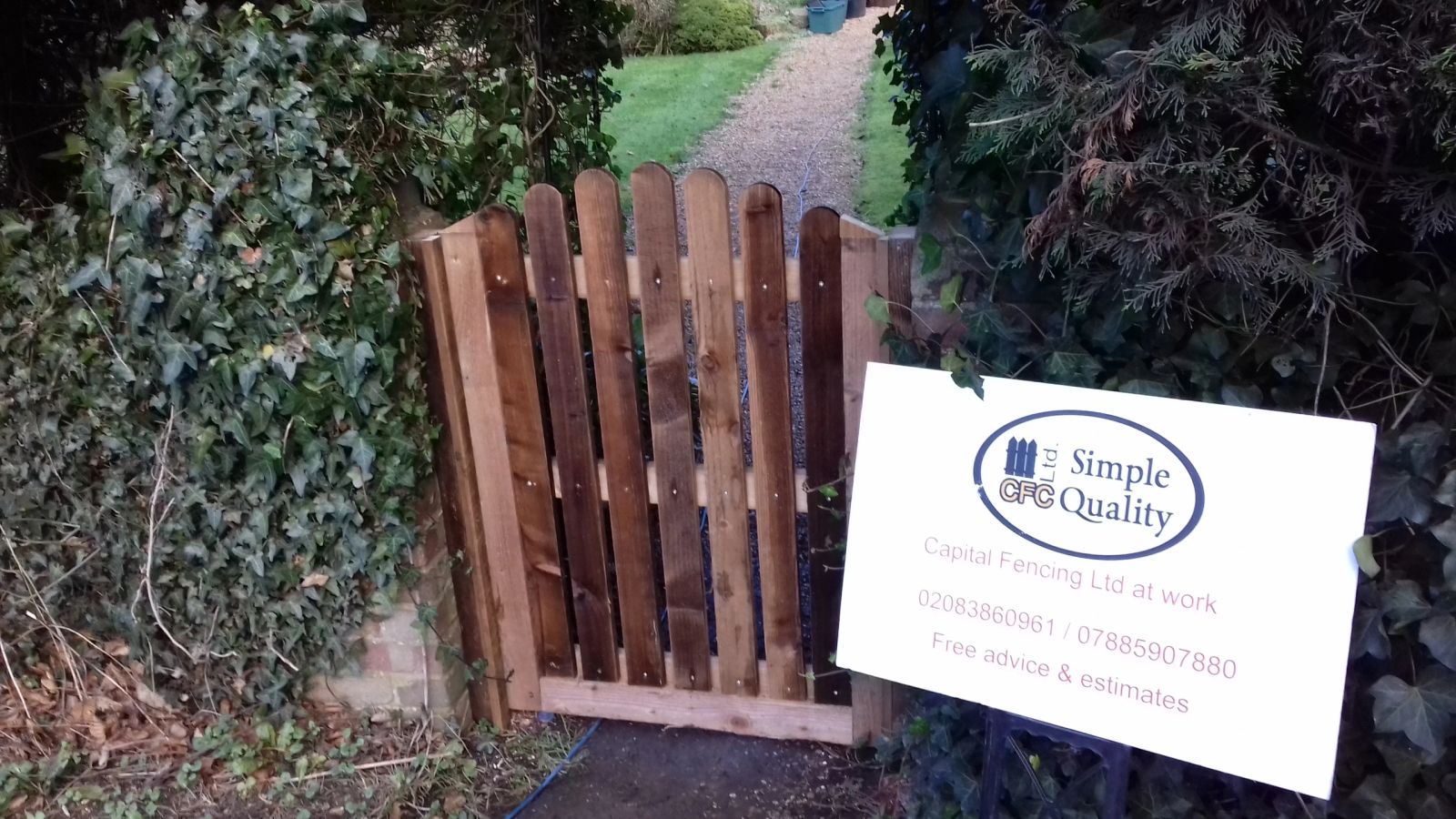
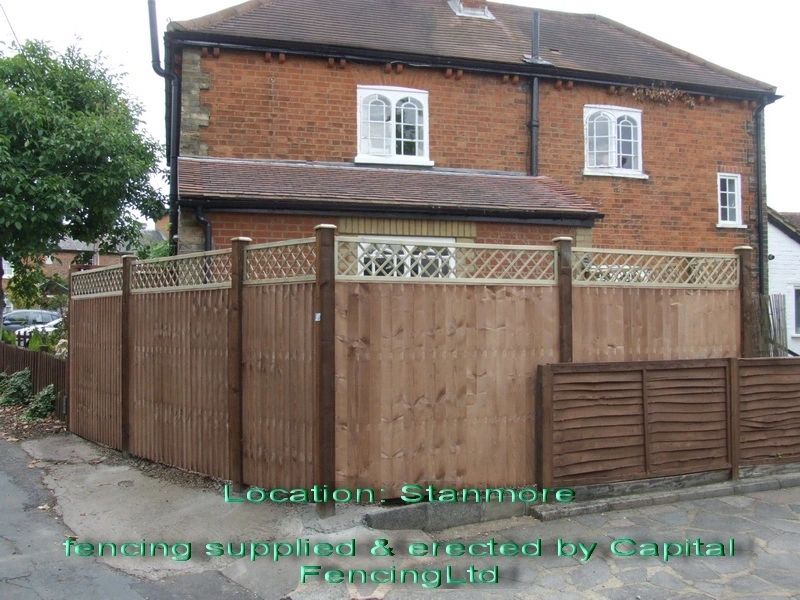
closeboard fence run installed by Capital Fencing in Waltham Cross (EN8)panel fence install installed by Capital Fencing in Waltham Cross (EN8)trellis-topped fence installed by Capital Fencing in Waltham Cross (EN8)bespoke decorative fence installed by Capital Fencing in Waltham Cross (EN8)

Local considerations across Waltham Cross and cheshunt

Boundary fencing on an allotment site

An allotment site boundary is often lower-spec than a commercial compound but still needs to deter casual theft of tools, produce and sheds, so a stock fence or low chain-link topped with a single strand of barbed wire is a common, proportionate choice.

Individual plot gates within the site are usually simpler again, since the main perimeter is doing the primary security work and plot-level fencing is more about defining boundaries between tenants.

Distinguishing checking from structural splitting

Surface checking, fine drying cracks confined to the outer face of a timber section, is cosmetic and doesn't usually run deep enough to compromise a post or rail's strength.

A structural split runs further into or along the timber, sometimes right through a section, and can significantly reduce the effective load-bearing area at that point, particularly if it passes through a fixing or joint.

The practical test is depth and location: a shallow surface check away from any fixing is rarely a concern, while any split intersecting a bolt hole, mortice or bearing point is worth assessing before continued use.

Fixed versus crimped capping rail junctions

A capping rail bolted or screwed to the top of a panel run gives a fixing point that can be removed for maintenance but is also the fixing most often targeted for theft or vandalism where the rail carries scrap value.

A crimped or one-way rivet fixing is harder to remove without specialist tools, trading off easy future maintenance access against a meaningfully harder target for casual interference with the capping line.

Resin anchoring a post base into an existing footing

Resin anchoring sets a threaded stud or spike into a drilled hole in sound existing concrete using a chemical resin, which can let a new post base be fixed onto an old footing that's otherwise still structurally usable.

It only works where the existing concrete itself is sound; resin anchored into cracked or spalled concrete has nothing solid to bond to and the fixing will fail alongside the concrete rather than because of the resin.

Mixing old and new timber colour on a repair

Freshly treated timber is noticeably lighter or greener than an older run that's already weathered, and that colour difference is temporary rather than a defect, evening out over the first year or two of UV exposure and weathering.

Where colour match matters immediately, a treatment or stain closer to the weathered tone can be applied to the new timber, though it won't be an exact match on day one.

Staining versus painting: different maintenance cycles

A translucent or semi-transparent stain penetrates the timber surface and wears gradually, so re-application every two to three years is a top-up rather than a full strip-back, and overlap patches between old and new coats blend reasonably well.

Opaque exterior paint or solid-colour masonry-style coatings sit on the surface as a film, which looks crisper initially but is prone to flaking and cracking as the timber moves seasonally, and once it starts to fail it usually needs full removal rather than a top coat.

Clients choosing paint for a specific colour should budget for that more disruptive maintenance cycle rather than assuming it behaves like a stain with a different finish.

Balustrades and handrails on raised decking

Decking raised more than around 600mm above the ground typically needs a balustrade under Building Regulations Part K, with baluster gaps narrow enough that a 100mm sphere can't pass through, to stop a child slipping between rails.

Handrail height and the strength of the newel post fixings both matter more on a raised structure than a ground-level deck, since the loads involved in someone leaning on a rail are higher than most people assume.

Steps down from a raised deck need their own handrail treatment where the rise is significant, and non-slip tread nosing is worth specifying for anywhere used year-round.

Planning material handling for single-access rear gardens

A rear garden with no side access at all means every post, panel and bag of aggregate has to go through the house, so protecting flooring and doorways along that route is as much a part of the job planning as the fencing itself.

Breaking deliveries into smaller loads that fit through internal doorways and turns avoids the alternative of discovering a full-length panel won't clear a hallway corner on the day.

Where the volume of material makes carrying through the house impractical, a temporary lift or chute over a side wall, arranged and agreed with the client in advance, is sometimes the more efficient option despite the extra setup time.

School and nursery boundary rules

School and nursery boundaries are typically specified higher than a domestic fence and without footholds, finger-trap gaps or climbable rail patterns, because the boundary has to keep young children in as well as keep intruders out.

Gate self-closing and self-latching, non-climbable infill and a lockable-from-outside-only pedestrian gate are common requirements checked against the site's own policy rather than a general rule of thumb.

Post caps and end-grain protection

A timber post's end grain sits at the top, cut across the fibres, and that exposed grain draws in water far faster than the treated face of the post, which is why an unprotected post top is often the first place rot takes hold.

A weathered or pyramid-cut post cap sheds water off the end grain instead of letting it pool, and a cap that oversails the post slightly also keeps water from tracking down the sides at the joint.

It's a small, low-cost detail that's frequently skipped on budget jobs, and its absence is a reliable way to predict which posts in an older fence will need replacing first.

Vertical picket infill on top of a mesh security panel

Adding a row of vertical steel pickets above a mesh panel gives extra height without the wind loading of a full-height solid mesh extension, and the picket spacing is kept tight enough that it doesn't create a new set of usable footholds.

This detail is common where a boundary needs to reach a taller overall height for a later phase of a site's security review without replacing the mesh panels already installed at the lower level.

Digging in summer-baked clay ground

Clay that's dried and cracked over a hot summer can be almost as hard as digging through soft rock in the top few hundred millimetres, even though the same ground would be workable a season later once it's rehydrated.

An auger struggles on baked clay in the same way it struggles on rubble, tending to bounce and judder rather than cut cleanly, so a pilot hole broken up with a bar first can make the auger's job easier.

Watering the dig point lightly the day before, where practical, softens the very top layer enough to ease the first stage of digging without turning the hole into a mud pit.

Arris rail mortice joint wear

A traditional arris-rail panel fence uses a triangular-section rail slotted into a mortice cut through the post, and repeated wind loading can gradually enlarge that mortice, letting the rail rock and eventually loosen the whole panel.

A mortice cut slightly oversized from the start, or one that's been enlarged by rot before a replacement rail is fitted, is a common weak point that arris-rail brackets were largely developed to bypass.

Galvanised metal arris-rail brackets, fixed to the face of the post rather than through it, avoid weakening the post with a mortice at all and are now the more common detail on new panel fencing.

Ironmongery grades for gates

Gate hinges, latches and drop bolts are graded broadly by size and load rating rather than sold as one universal fitting, and undersized ironmongery on a heavy hardwood gate is a common cause of early sagging even when the frame itself is well built.

Externally, ironmongery needs a corrosion-resistant finish suited to constant weather exposure — galvanised, stainless or a specifically outdoor-rated coated finish — rather than internal-grade fittings that will rust and seize within a season or two.

A self-closing hinge or a matching pair of hinges rated for the gate's actual weight is worth specifying explicitly on a quote, since 'a pair of hinges' without a load rating leaves the actual spec to whatever's in stock.

Gravel terraces of the Lea and Colne valleys

The river terraces along the Lea and Colne valleys are largely sand and gravel over clay, ground that drains quickly and digs easily compared with the heavier clays further from the rivers.

Free-draining gravel is generally kinder to timber posts since water doesn't pool against the base, but loose gravel can also slump back into an open hole faster than clay, making a wider working hole necessary to get concrete properly around the post.

Where the gravel sits directly over a clay band, augers can hit a hard, sticky transition partway down that slows digging without warning.

How we measure and quote a job

A proper quote starts with a site visit rather than a phone estimate — measuring the actual run length, checking ground conditions with a probe or short trial dig, and confirming access before any numbers go on paper.

That's the only reliable way to catch the things that change a price: buried obstructions, a slope that needs stepping, a shared boundary that needs the neighbour's agreement, or a gate opening that's slightly out of square.

A written quote following that visit should specify post spacing, post and panel material, base type and any extras like gravel boards or capping, so there's nothing to renegotiate once the job starts.

Gas and water service positions near boundaries

Gas and water services typically run from the property boundary to the meter position in the shortest practical line, which on many plots means they cross close to or directly under a side boundary fence.

Utility companies can usually supply a service plan on request, though older properties sometimes have connections that predate accurate record-keeping and were never mapped precisely.

Where a plan shows a service crossing the fence line, hand-digging that section and setting the post either side of the marked route avoids the need to relocate a damaged supply.

Steel post for a heavy timber gate

A wide or solid-faced timber gate can be heavy enough that a timber hanging post, even oversized, isn't stiff enough to resist long-term leverage, in which case a concreted steel post with a welded or bolted hinge plate gives a stiffer fixing.

This is more common on wide driveway gates than standard pedestrian gates, where the extra cost of a steel post is offset by significantly less long-term sag.

Scribing a gravel board to uneven ground

Ground level rarely runs perfectly straight between two posts, so a gravel board cut square often leaves a gap under one end and digs into the ground at the other unless it's scribed to follow the actual contour.

Scribing means holding the board in position, marking the ground profile onto its face, and cutting along that line so the board's bottom edge follows the undulation rather than an assumed flat datum.

On concrete gravel boards this isn't possible after casting, so uneven ground either needs the board bedded on a shaped mortar bed or a timber board used instead where the ground profile is particularly irregular.

Urban heat and timber movement

Fencing against south-facing brick walls, paved courtyards or close to parked vehicles in dense urban plots experiences more extreme daily temperature swings than the same timber in an open garden, due to heat absorbed and re-radiated by hard surfaces.

That repeated expansion and contraction can open joints in panels and loosen fixings faster than in a more moderate microclimate, particularly on darker-stained timber that absorbs more heat.

Stainless or coated fixings and slightly looser panel-to-post tolerances both help absorb this movement without splitting timber over successive summers.

Article 4 directions and lost permitted development rights

An Article 4 direction is a specific order a council can make to remove some or all permitted development rights across a defined area, often a conservation area but sometimes a single estate or street with particular character to protect.

Where one applies, work that would normally be permitted development elsewhere — a new front boundary wall, a taller side fence, even a gate replacement in some cases — needs a full planning application instead.

Article 4 areas are listed on the council's own planning pages or can be confirmed by a quick call to duty planning, and it's worth checking before ordering materials rather than finding out at inspection stage.

Boundary treatments in a conservation area

Being inside a conservation area doesn't automatically ban garden fencing, but many councils apply an Article 4 direction locally that removes some permitted development rights, meaning even modest boundary changes may need planning permission.

Where this applies, guidance often favours traditional materials and finishes that suit the area's character over modern composite or brightly coloured alternatives.

The only reliable way to know what applies to a specific property is to check with the local planning authority, since conservation area rules vary considerably between councils.

On conservation-area fencing in Waltham Cross you get the same crew from first site visit to hand-over. That's the whole model — small team, planning-aware spec, written quote before we start. Roads such as Theobalds Lane and Park Lane are typical of the local layout. Lee Valley White Water Centre is a useful local reference point. Waltham Cross sits at the junction of the M25 and A10, historically a coaching-road crossing point marked by the medieval Eleanor Cross monument.

Get In Touch

Get My Free Quote — 24h Response

No callout fee · Free site visit · Friendly local team covering London & Hertfordshire.

Call us
07885907880
or 02036484746
Email
capital_fencing@yahoo.com
WhatsApp
Message us anytime
Area
London & Hertfordshire
Payment
Card payments accepted

Pay by debit or credit card, bank transfer or cash once the work and price are agreed. No deposit taken online.

Request a Free Quote

We'll get back to you within 24 hours.

Free Site Visit No Callout Fee
Call WhatsAppQuote