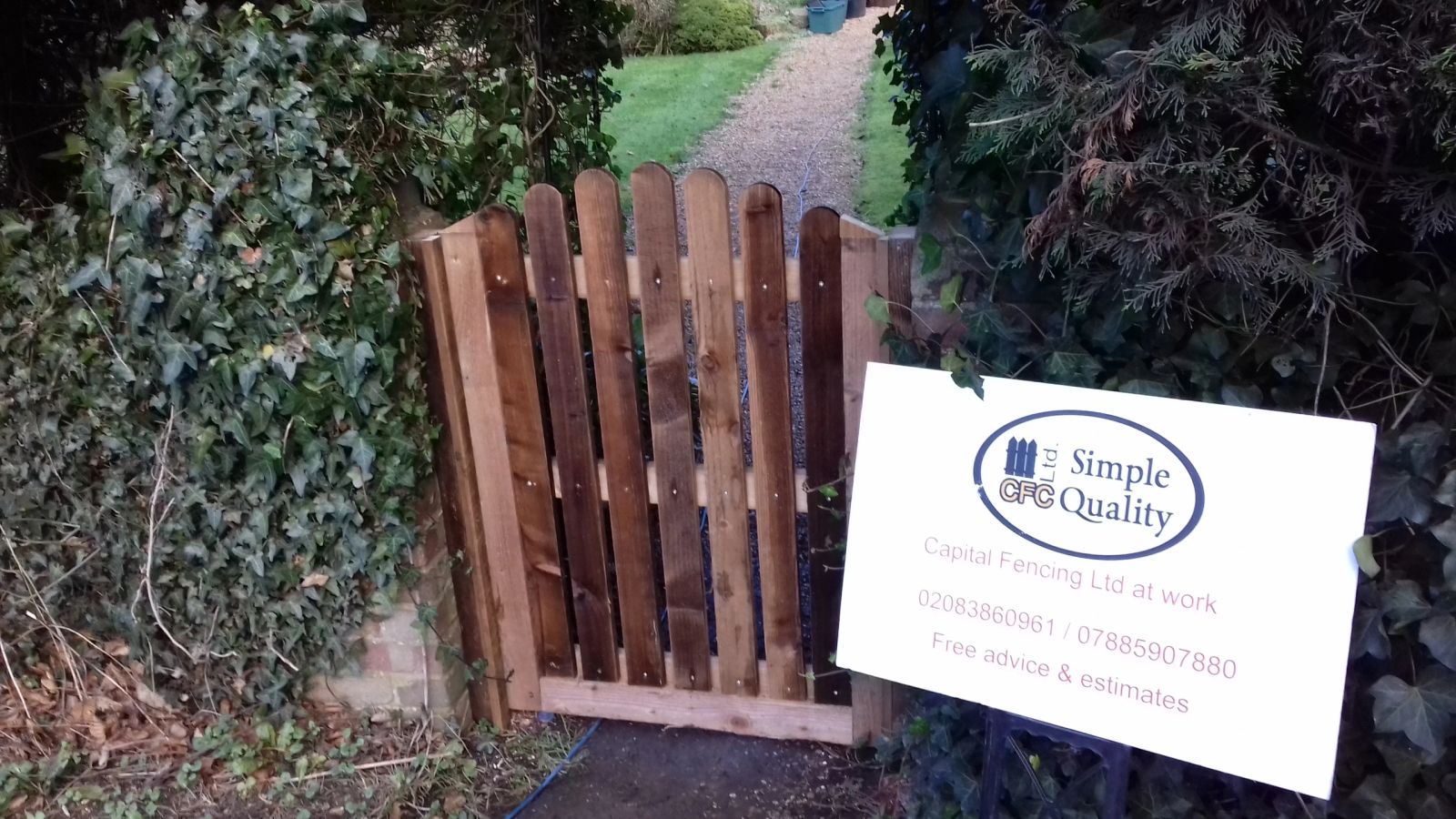
Self-closing and self-latching gates near water
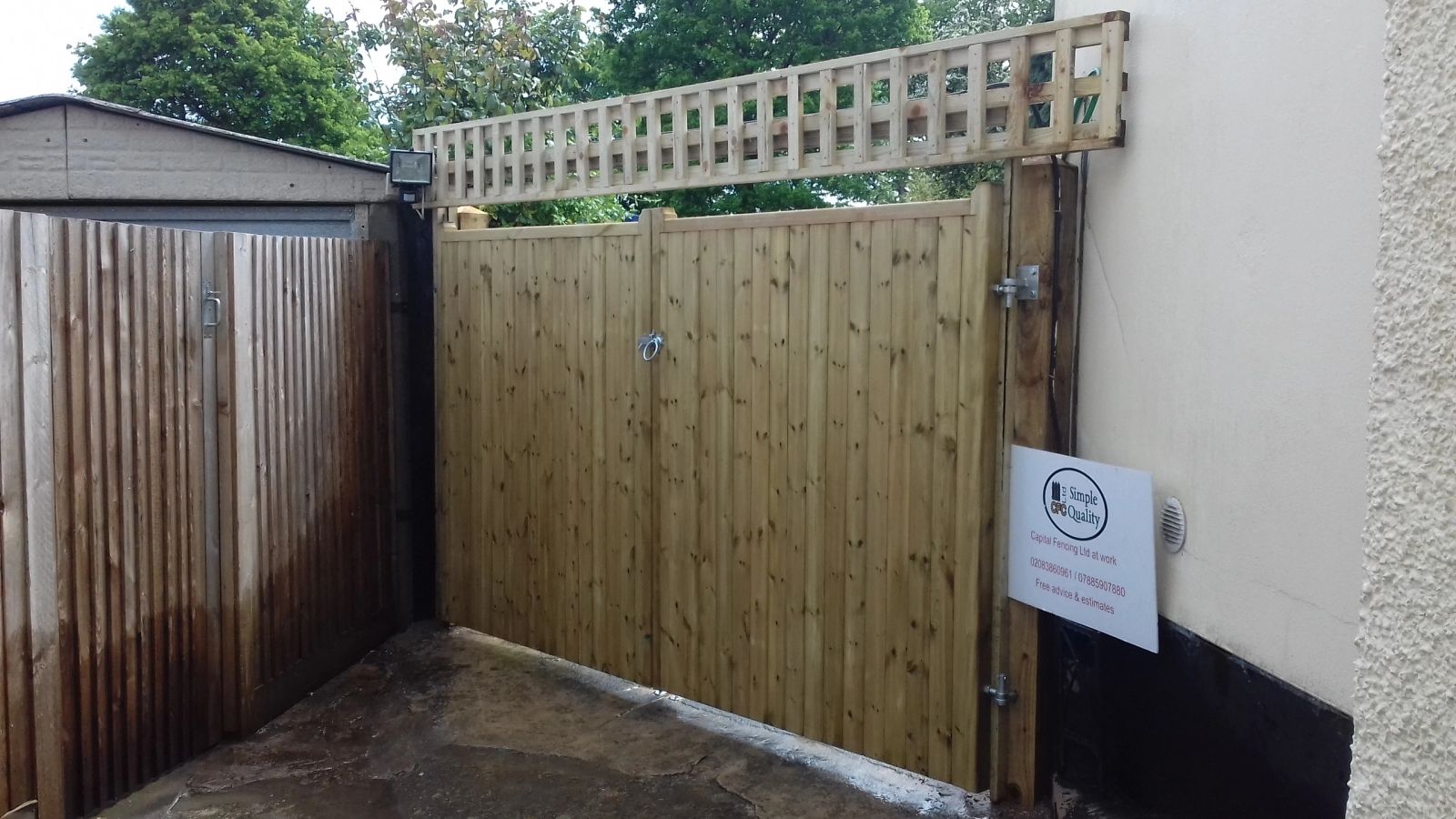
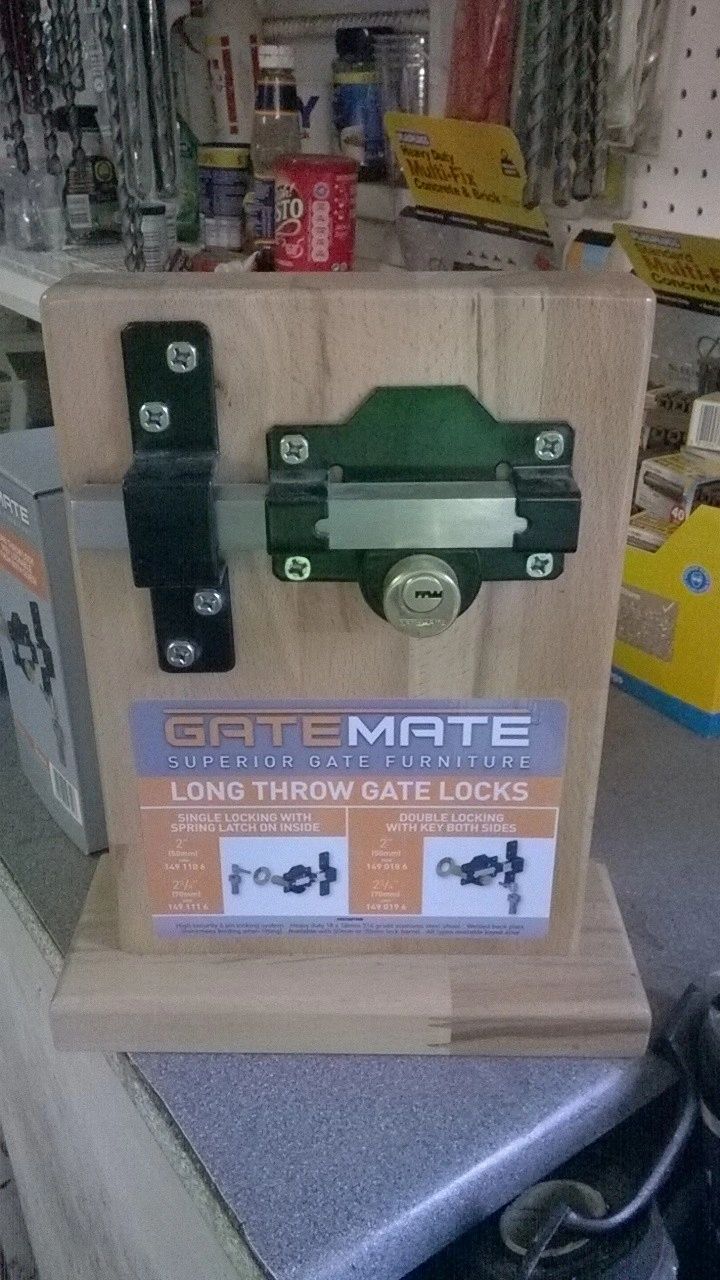
A gate giving access to a garden pool or a boundary near open water benefits from a self-closing and self-latching mechanism that doesn't rely on a person remembering to shut and lock it every time, since a single unlatched instance is enough for an incident.
Combining a self-closing spring with a latch mounted high enough to be out of easy reach of a small child adds a second layer of protection beyond the closing action alone.
Weld-mesh versus expanded metal panels
Weld mesh is formed from crossed wires welded at each intersection, giving a uniform grid that's easy to cut to size and re-panel; expanded metal is slit and stretched from a single sheet, leaving no welds to fail and a diamond pattern that resists prising apart at a joint.
Expanded metal costs more per panel but suits higher-threat compounds where weld failure at a joint would be the obvious attack point; weld mesh remains the standard choice for everyday commercial and school boundaries.
Hot-dip galvanising thickness
Hot-dip galvanising coats steel in a layer of zinc by immersing it in a molten zinc bath, and the resulting coating thickness is largely governed by the steel's own thickness, since thicker sections react with the zinc for longer and build a heavier layer.
British Standard BS EN ISO 1461 sets minimum coating thickness by section thickness rather than a single blanket figure, which is why a heavy structural post gains a thicker, longer-lasting coating than thin wire mesh galvanised in the same process.
The coating protects sacrificially as well as by barrier, meaning even where it's scratched the surrounding zinc corrodes preferentially and continues to protect the exposed steel underneath, at least until that local zinc reserve is used up.
Repair-versus-replace where the original installation was poor
A fence that's failed early because of shallow footings, undersized posts or poor timber grading in the original build is a weaker candidate for like-for-like repair, since fixing the immediate damage doesn't address why it failed in the first place.
In that situation it's worth being upfront that a repair matching the original spec may fail again on a similar timescale, and that a modest upgrade in post size or footing depth at repair time is often better value than repeating the original approach.
Brush application versus spray for treatment
Brush application works the treatment into the grain and end grain more thoroughly, which matters most at cut ends and joints where untreated timber is exposed and most vulnerable to moisture uptake.
Spray application covers a large run far faster and gives a more even surface finish on smooth-planed boards, but relies on good weather and overspray control, and can leave the coating sitting on the surface rather than penetrating as deeply.
A practical approach on a full boundary is spraying the open panel faces for speed and finish, then finishing post tops, end grain and capping joints by hand with a brush.
Post cap design and end-grain water shedding
The cut top of a fence post exposes end grain, which absorbs water far faster than the sealed or treated face of the post, making it one of the most vulnerable points on an otherwise sound post if left uncapped.
A pyramid or weathered-top post cap sheds water away from that end grain rather than letting it pool on a flat cut surface, extending the practical life of the post noticeably for a small extra cost.
Where posts are cut to length on site rather than supplied pre-capped, re-treating the freshly cut end before fitting a cap matters just as much as the cap itself, since paint or preservative rarely penetrates deep enough at the mill to protect a subsequent site cut.
Made ground and buried rubble
Plots built on old industrial land, demolished outbuildings or infilled yards often have a layer of brick, concrete or hardcore sitting a foot or two down rather than natural subsoil.
An auger that hits rubble at 300-400mm usually means hand-digging or breaking out that layer rather than fighting it, because a post set on top of loose fill will rock within a year regardless of how much concrete goes round it.
It's worth budgeting extra time for this on any plot with a known history of redevelopment, rather than assuming a standard dig will go to plan.
Post splitting from over-driven fixings
Driving a nail or coach screw too close to a timber post's edge, particularly near the end grain, concentrates stress in a narrow section of fibres and can split the post along the grain rather than simply seating the fixing.
Pre-drilling a pilot hole for larger fixings, especially near board or post ends, relieves that concentrated stress by giving the fixing a path that doesn't have to force the surrounding fibres apart.
Species with straighter, more even grain generally resist this kind of splitting better than timber with interlocked or knotty grain near the fixing point, where existing weaknesses in the fibre structure make a split more likely to propagate.
Checking joist bearing sits level across uneven support pads
Deck support posts or pads set at even so-slightly different heights throw the whole joist run out of level, which shows on the finished deck as a barely perceptible but persistent lean across its width.
Checking each support with a long level laid across several posts at once, rather than checking each post in isolation, catches a gradual drift in height across the run that individual checks would miss.
Packing shims under a joist to correct a low support point is an acceptable fix for a small discrepancy, but it isn't a substitute for getting the support posts themselves right in the first place on a new build.
Boundary treatments for flats and maisonettes
Shared amenity gardens attached to flats or maisonettes usually have boundary decisions made collectively through a management company or freeholder rather than by an individual leaseholder, which changes who needs to sign off a fence or gate change.
Lease terms sometimes specify who's responsible for maintaining which boundary, and altering a shared boundary without checking the lease is a common source of dispute between leaseholders.
Where several flats share a single rear garden, dividing it with new fencing usually needs agreement from all affected leaseholders, not just the person requesting the work.
Corrosion at ground line on steel posts
The point where a post meets the ground or concrete collar is where corrosion concentrates, because moisture sits there longest and any coating is most easily scuffed during installation.
A sacrificial sleeve, extra coating thickness, or a slight fall on the concrete collar to shed water all reduce this, and it's worth checking on any steel post that's been in the ground more than a few years.
Powered auger versus hand-digging post holes
A petrol or hydraulic auger speeds up digging significantly on open, obstruction-free ground, but is the wrong tool near known services, tree roots or previous hardstanding, where it can't tell the difference between soil and something it shouldn't hit.
Access also decides the method — an auger needs room to manoeuvre and, for larger machines, a route wide enough to bring it onto site, which isn't always available on a narrow rear plot.
Hand-digging costs more in labour time but gives far more control in tight, obstructed or sensitive ground, which is why most quotes specify the method appropriate to the actual site rather than assuming the fastest option by default.
Telling a buildings insurer about boundary changes
Some buildings insurance policies ask to be told about certain changes to a property, and a small number specifically mention boundary walls or fences depending on the insurer's wording.
This is less about the fence itself and more about making sure existing cover for storm or accidental damage properly reflects what's actually there.
Checking a policy's terms, or simply asking the insurer, before or after significant boundary work avoids an unpleasant surprise if a claim is ever needed.
Snow load and drifting against capping
Snow rarely loads a vertical fence face directly, but it drifts and settles along the top of a run, especially against capping or trellis toppers that catch and hold it rather than shedding it.
A sustained thaw-freeze cycle on wet capping timber is a common cause of splitting, since water trapped in the grain expands as it freezes and opens up hairline cracks that widen each winter.
A capping profile with a slight fall to shed water, rather than a flat top, reduces how much moisture sits there in the first place.
Prescriptive easements from long use
An easement — such as a right of way or right to run services — can sometimes arise through long, uninterrupted use of land even where nothing was ever formally granted in writing, known as a prescriptive easement.
Establishing whether one genuinely exists is a legal question with specific tests around the nature and duration of the use, not something settled by opinion on site.
Where a longstanding informal path or access crosses a boundary being fenced, it's worth raising the history with a solicitor rather than assuming it can simply be closed off.
Gate detailing on sites prone to flooding
A gate on a boundary that's prone to periodic flooding benefits from open rather than solid infill low down, allowing floodwater to pass through rather than build up against a solid face and load the frame or undermine the posts.
Post fixings on flood-prone ground also need to account for the ground becoming waterlogged and softer than normal during a flood event, not just its condition in dry weather.
Spoil volume and removal
Digging a full run of post holes generates more spoil than most clients expect, particularly on clay where the dug material swells in volume compared with its compacted state in the ground.
Spoil that can't be spread thinly elsewhere on the plot without smothering lawn or borders usually needs skip or licensed grab-lorry removal, which should be agreed and costed before the dig starts rather than after a pile has built up on the lawn.
Heavy clay spoil left on grass for more than a day or two will usually kill it, so covering or removing arisings promptly matters if the lawn is staying.
Care homes
Care home boundaries need to manage two directions of risk at once: keeping the site secure from outside, and, where residents live with dementia, preventing unsupervised exit through a garden gate that looks like a normal feature of the grounds.
Gates onto care home gardens are often specified with a delayed-release or coded latch rather than a simple thumb-turn, agreed with the home's management against its own care regulator requirements.
Access for contractors on an occupied care site usually needs coordinating around resident routines and quiet hours rather than a standard domestic working day.
How a written quote should be structured
A clear fencing quote itemises materials, labour, waste removal and any groundwork separately, rather than a single lump sum that hides what's actually included.
It should state the exact fence height, post size, panel or board specification and run length, since 'like-for-like replacement' can mean very different things depending on what was there before.
Anything excluded — removal of the old fence, reinstating disturbed planting, or work beyond the surveyed run length — should be listed explicitly, so there's no ambiguity if ground conditions turn out different from what was assumed at survey.
Matching an existing run
Extending or partially replacing a fence next to an existing run that's staying in place means matching post spacing, panel height, board profile and finish as closely as the existing materials allow.
Exact colour matching on stained or painted timber that's weathered for a few seasons is rarely possible with a fresh coat, so the realistic aim is a close, deliberate match rather than an invisible join.
Where the existing run uses a discontinued panel size or profile, the practical options are sourcing reclaimed stock, having a bespoke run made to match, or agreeing a visible but tidy transition point with the client upfront.
Outbuildings casting permanent shade onto a fence run
A shed, greenhouse or garage built close to a boundary casts a fixed shadow over part of the adjoining fence run for some or all of the day, creating the same slower-drying conditions as a north-facing aspect regardless of the fence's actual orientation.
This localised shading is easy to overlook when assessing a whole boundary's exposure, since the rest of the run a few metres away may be in full sun.
It's worth treating the shaded section as its own microclimate for treatment and inspection purposes rather than assuming uniform conditions along the full length.
Nesting birds in vegetation on a fence line
Dense hedging, ivy or overgrown trellis attached to a fence can hold active bird nests during the spring and summer nesting season, and disturbing a nest in use is an offence regardless of how routine the fence repair itself is.
Where a repair requires cutting back vegetation that might be nesting habitat, checking for active nests first and, if found, delaying that part of the work until the nest is no longer in use is the straightforward way to stay compliant.